
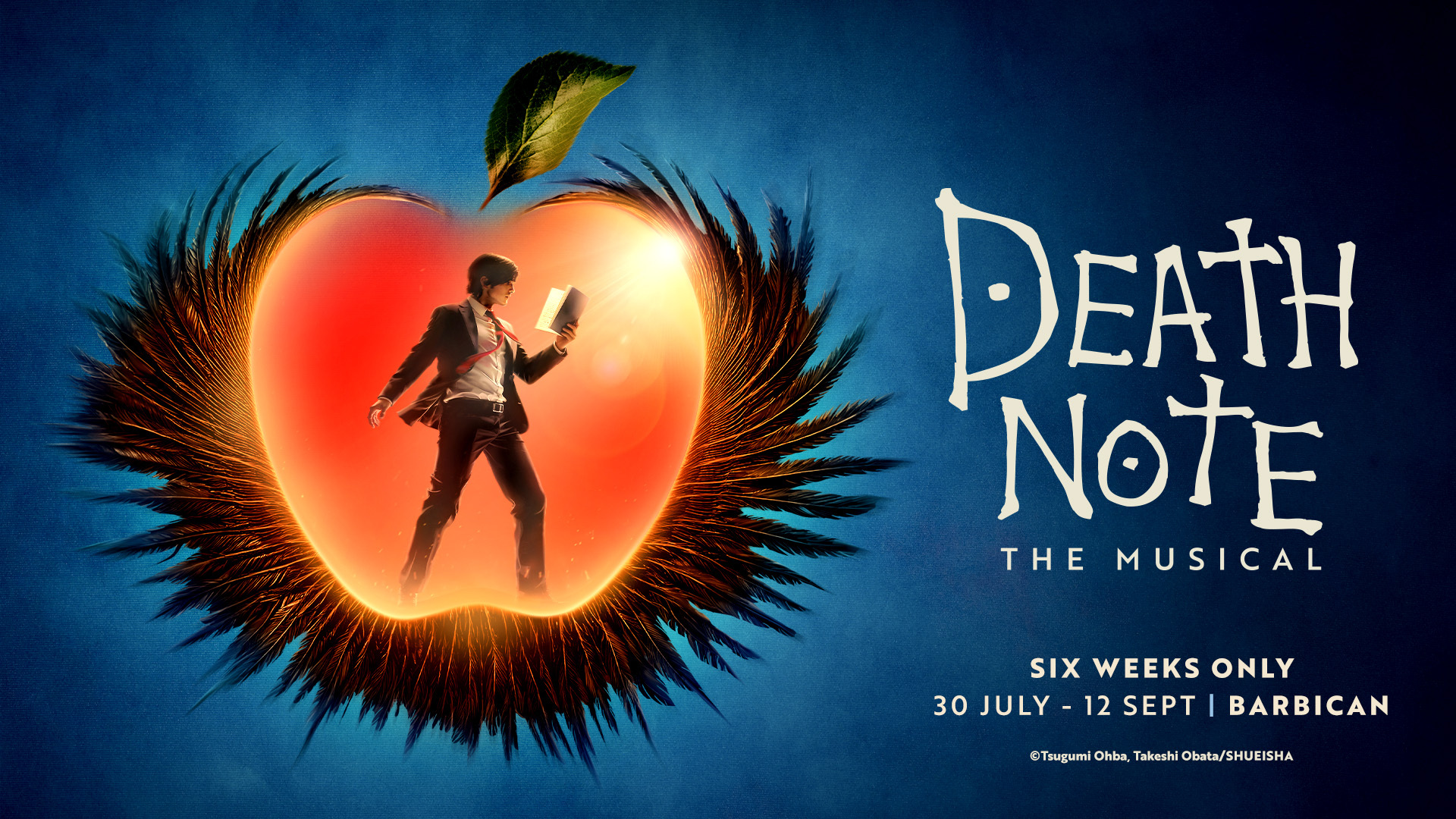
The anticipation surrounding the world-first theatre adaptation of “Death Note” slated for London this summer signals a significant development in both the theatre and entertainment industries. The production aims to capture the intricacies of the popular Japanese manga and anime series, which has garnered critical acclaim and a devoted fan base worldwide. As theatre and film increasingly intersect, this adaptation offers an opportunity to delve into the implications for trend-setting, audience engagement, and the adaptation of cross-cultural narratives.
Positioning of “Death Note” Within the Broader Creative Landscape
The original “Death Note” narrative follows Light Yagami, a high school student who comes into possession of a supernatural notebook granting him the ability to kill anyone by writing their name within it. This high-stakes moral dilemma has generated extensive discourse on themes such as justice, power, and morality. Given the cultural resonance of these themes, it is essential to understand both the context and the current market dynamics that this adaptation will navigate.
Pervasiveness of “Death Note” in Popular Culture
The impact of “Death Note” extends beyond its initial manga format, with successful iterations in anime, live-action films, and theatrical performances across several countries. Its overarching themes of morality and human psychology resonate with diverse audiences, enhancing its potential appeal for live theatrical adaptation:
- Global Reach: Originating in Japan, “Death Note” has been translated into multiple languages, permeating various cultural contexts.
- Themes of Justice: These themes resonate strongly in today’s societal discourse, particularly with rising concerns over legal and moral dilemmas in governance and personal ethics. For more insights on these dynamics, check out Business in London & the UK – Urban Economy & Trends.
- Adaptation Successes: Previous adaptations, such as the “Death Note” musicals in Japan, have established a blueprint for successful transformation from print and screen to stage. This theme of adaptation success can be explored in A Deep Dive into Channel 4’s Factual Drama: Dirty Business Cast.
Strategic Insights from Industry Leaders
In the lead-up to the 2026 London premiere, insights from industry stakeholders provide a comprehensive look at expectations, challenges, and potential rewards.
Opinion from Producers and Creative Directors
Key figures involved in the adaptation have indicated strategic priorities aimed at capturing the original narrative’s essence while appealing to theatrical audiences. Their insights reveal the underlying philosophy:
- Cultural Authenticity: Maintaining fidelity to the source material is viewed as essential to satisfy existing fans and attract newcomers. This aspect ties closely to community engagement strategies discussed in The Role of School Sports Facilities in Promoting Community Health and Reducing Youth Inequalities.
- Innovative Presentation: Incorporating modern stagecraft, including projections and immersive storytelling techniques, aims to elevate the audience experience.
Critical Responses from Theatre Experts
Theatrical analysts express concerns and anticipations regarding the production’s viability:
- Comparative Success Factors: Successful adaptations often hinge on star power, directing credibility, and original score. Drawing parallels with other adaptations can lend insight into likely outcomes for “Death Note.” For further understanding of adaptation impacts, see New Production of Death Note Musical to Premiere in London.
- Fan Engagement Strategies: Cultivating an audience that includes both theatre-goers and committed fans of “Death Note” requires thoughtful marketing strategies and community engagement initiatives.
A Comparative Analysis of Theatrical Adaptations
It is vital to contextualize the “Death Note” adaptation among its contemporaries. This structured comparative breakdown of several similar productions provides useful insights into possible trajectories.
| Production | Medium | Year Adapted | Critical Reception | Box Office Performance |
|---|---|---|---|---|
| Les Misérables | Theatre | 1985 | Broadly Acclaimed | $1.6 Billion |
| The Lion King | Theatre | 1997 | Highly Acclaimed | $1.7 Billion |
| Harry Potter and the Cursed Child | Theatre | 2016 | Mostly Positive | $1.2 Billion |
| Death Note | Theatre | TBA | N/A | N/A |
This table illustrates some of the critical parameters that define successful theatrical adaptations. Comparisons should focus on critical reception as a barometer of future success, especially as they pertain to the artistic and thematic ambition of each project.
With respect to “Death Note,” industry observers will closely monitor both the creative and commercial outcomes stemming from this ambitious adaptation.
Delving into the Thematic and Artistic Complexities
The intrinsic complexities of the “Death Note” narrative provide a rich sandbox for exploration. Engaging with these complexities through theatre necessitates structured methodologies in terms of thematic representation, character development, and moral inquiry.
Core Themes in “Death Note”
A successful adaptation must adeptly navigate the core themes present in the narrative:
- Morality and Justice: The delicate balance between right and wrong serves as a central theme that engages audiences in ethical debate.
- Power Dynamics: The manipulation of power dynamics represented through characters is critical to driving the story.
- Psychological Intrigue: The psychological motivations of characters like Light Yagami and L offer a layered understanding that enriches the narrative. Insights into such psychological complexities could be related to Understanding Chartered Accountants Near Me: Importance, Qualifications, and What to Expect When Engaging Their Services.
Each of these elements will demand careful consideration in casting, direction, and script adaptation to maintain fidelity to the source material.
Artistic Choices and Their Implications
Directorial choices, set design, and costume all play pivotal roles in framing the narrative’s heart. Expectations around staging “Death Note” will likely place importance on several areas:
- Visual Aesthetic: The adaptation’s success will hinge on its visual appropriateness given the weight of the source material.
- Music and Sound: Leveraging music that fits the tone can significantly enhance narrative resonance. The importance of music can be further explored in 5 Beauty Trends Fresh From The London Runways.
Research Methodology for Theatre Analysis
To analyze the potential impact of the “Death Note” adaptation thoroughly, a structured approach involving both quantitative and qualitative data must be employed:
Data Collection Techniques
- Surveys and Audience Feedback: Collecting audience sentiment pre- and post-performance can yield insights into audience reception and overall satisfaction.
- Review Analysis: Analyzing theatre critics’ reviews post-release to gauge thematic interpretation and production quality.
Benchmarking Against Previous Adaptations
Tools such as box office figures, ticket sales, and audience demographic data will be vital in evaluating success factors that can be replicated.
Contextual Constraints of the Theatrical Landscape
In assessing the backdrop against which “Death Note” will premiere, understanding both the regulatory and market contexts becomes critical.
Market Considerations
The London theatre scene is experiencing an evolution driven by both competition and audience diversification. Key factors include:
- Diverse Programming: An increasing number of productions targeting niche audiences indicates an opportunity for “Death Note” to establish its unique market position.
- Economic Viability: Consideration of current economic conditions will inform ticket pricing strategies and overall production budgeting. For trends on city updates, see London & UK Main News – City Updates, Culture & Urban Stories.
Regulatory Landscape
Understanding regulations regarding copyright, performances, and adaptations will also play a role in ensuring a successful adaptation:
- Local Governance on Performance Licensing: Navigating licensing agreements is essential for lawful representation of the original source.
- Cultural Sensitivity Regulations: In today’s globalized society, demonstrating cultural sensitivity in adaptations can facilitate positive reception. See Understanding the Business Computing World: Key Components, Legal Frameworks, and Career Opportunities for further insights.
Decision Framework for Stakeholders
For stakeholders involved in this production, establishing a practical decision framework will be essential in navigating multifaceted challenges facing the adaptation.
Key Factors in Decision-Making
- Audience Engagement Strategy: Proactive marketing aimed at fan engagement can alleviate some risks associated with new adaptations.
- Investment in Quality Production: Securing a high-quality production team increases the likelihood of critical acclaim and commercial success.
Evaluating Risks and Limitations
As with any ambitious adaptation, numerous risks and potential limitations must be evaluated.
Identifying Risks
Examining the risks associated with the “Death Note” adaptation reveals several challenges:
- Audience Expectations: Discrepancies between audience expectations and the final product can generate backlash.
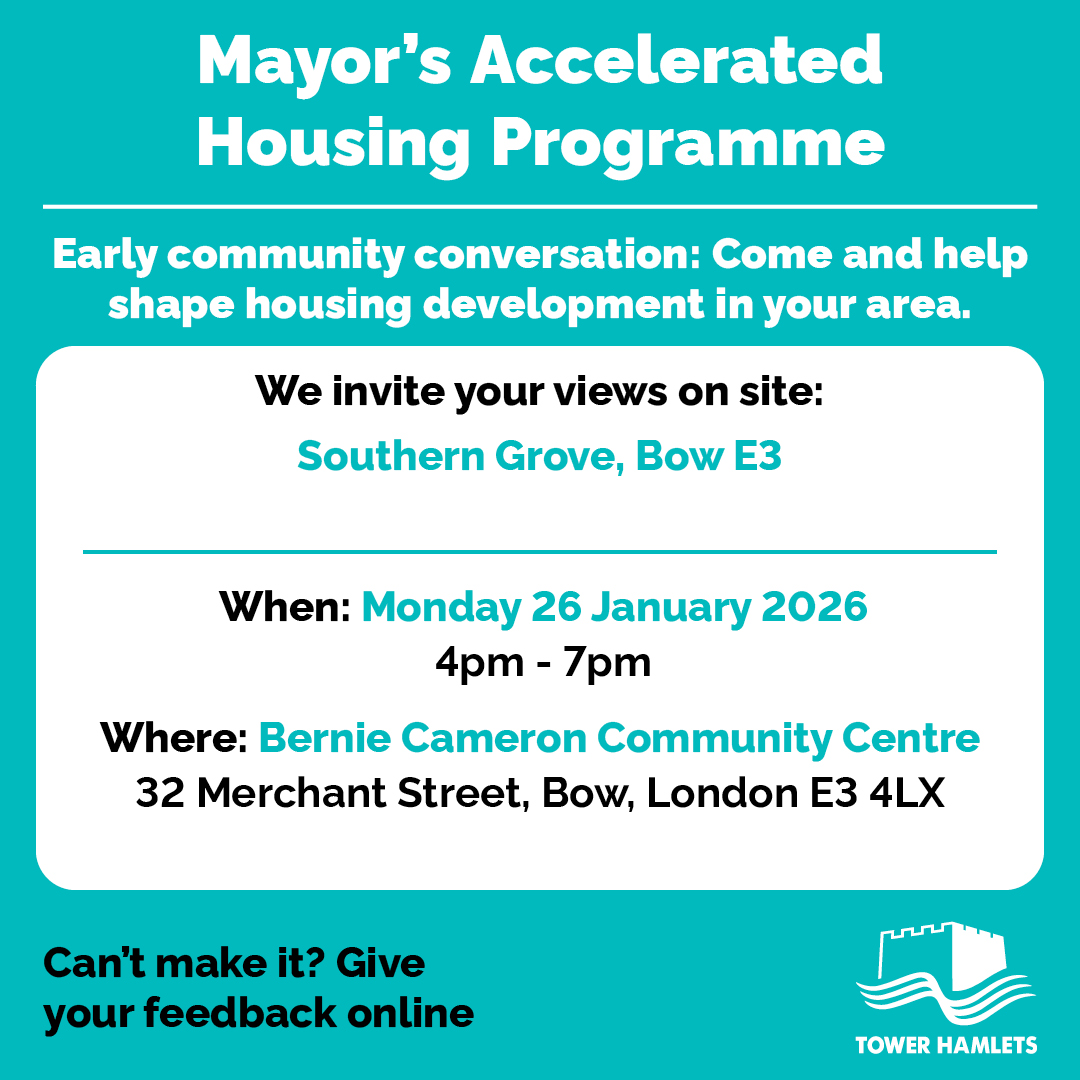
- Cultural Homogeneity: The risk of presenting a version that feels culturally diluted can alienate existing fans. Insights into community dialogues can be found in Join the Community Conversation on the Mayor’s Accelerated Housing Programme in Bethnal Green and Hackney.
Balancing Artistic Vision with Commercial Objectives
The tension between artistic intentions and commercial viability is a frequent concern in theatre productions. Addressing this balance will be integral to early-stage discussions among stakeholders.
Establishing Trust and Transparency
In navigating creative and commercial territories, establishing trust and transparency is paramount not only among stakeholders but also with potential audiences.
Engagement with Stakeholders
Transparent communication detailing the intentions behind the adaptation will help in fostering trust. This can be achieved through:
- Engagement with Japan’s Original Creators: Collaborative efforts with the original creators or their representatives can bolster authenticity.
- Community Outreach: Events that allow fans to engage with the production team can enhance the narrative’s situational context, reflecting the aim of Proud to Celebrate the Revitalisation of Maida Hill Market: A Community-Driven Transformation.
In summary, the production of a world-first theatre adaptation of “Death Note” is laden with both exciting opportunities and inherent challenges. These considerations serve not only to illuminate the multifaceted landscape of theatre adaptation but also to set the stage for deeper discourse on how narratives traverse media. The ongoing dialogue around the production will undoubtedly continue, impacting perceptions of adaptations in the future.












Leave a Reply