
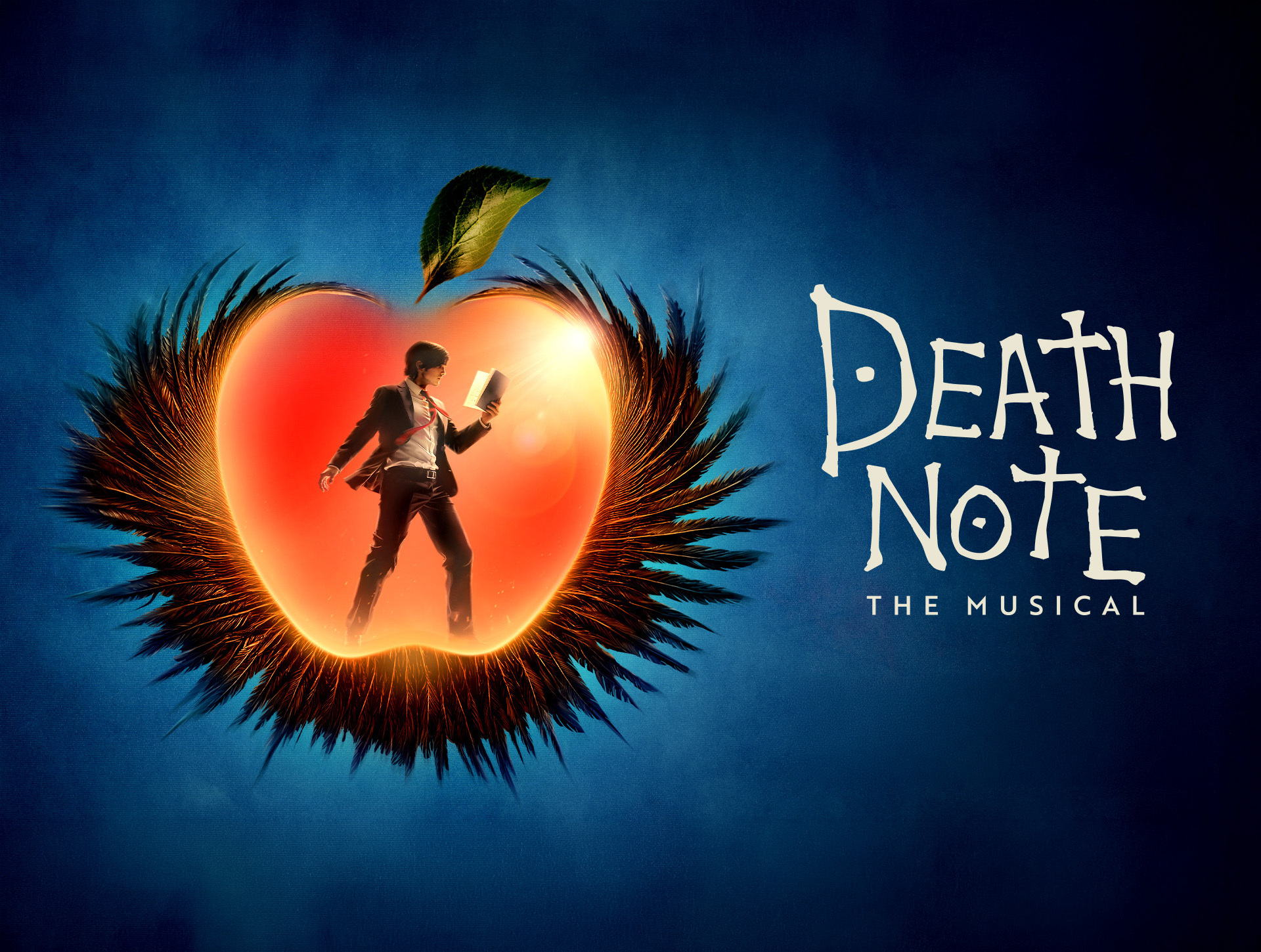
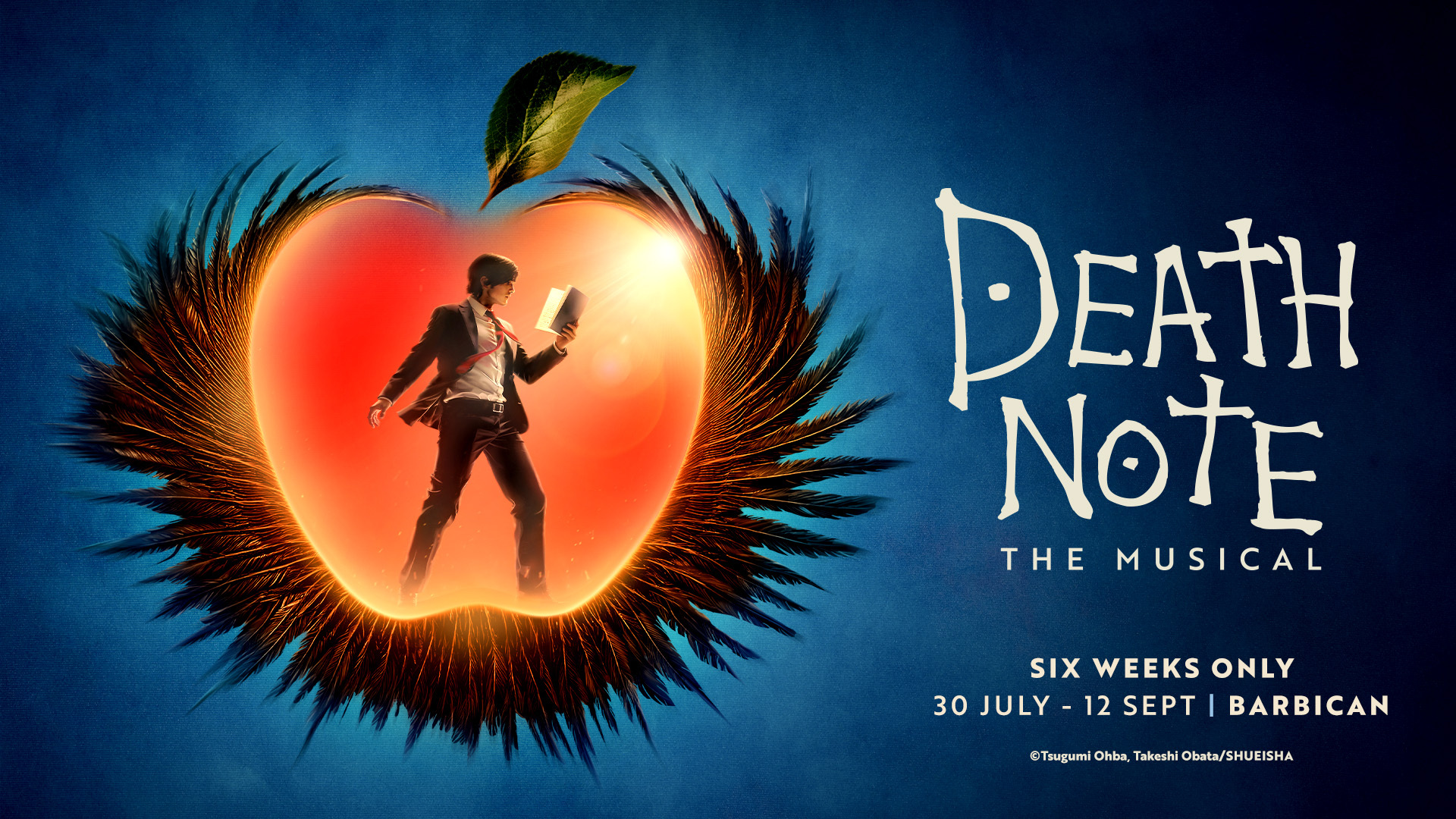
The anticipation surrounding the revised musical adaptation of “Death Note,” set for its world premiere in London in 2026, brings forth a wealth of layers to unpack. The original musical, which debuted in Japan, has gained a cult following across international markets, reflecting a unique convergence of popular culture and theatrical expression. This editorial aims to provide an in-depth analysis of the revised version, contextualizing its significance within the broader landscape of musical theatre and the existing “Death Note” franchise.
The global theatre industry has seen a notable rise in adaptations of anime and manga into stage productions. The success of Japanese properties in Western markets signifies both an interest in diverse narratives and a willingness to explore different artistic expressions. Musical adaptations of anime offer specific challenges and opportunities, tapping into familiar narratives while reimagining them for new audiences. This evolving landscape sets the stage for the fresh iteration of “Death Note,” which aims to bridge cultural gaps while retaining the core essence of the original.
One significant aspect to consider is the dramatic evolution of the “Death Note” franchise over the years. Originating as a manga series created by Tsugumi Ohba and Takeshi Obata, it has transitioned through various formats, including an animated series and live-action adaptations. Each iteration has contributed to a complex narrative tapestry that has resonated with audiences worldwide. The forthcoming musical seeks to build upon this legacy, providing a fresh interpretation that still honors the source material.
In terms of the production itself, several key players are poised to take the reins. The creative team, which includes acclaimed directors, composers, and lyricists, brings significant experience to the project. Previous engagements with high-profile theatrical productions suggest a commitment to quality that may bode well for the musicals’ reception. However, such high expectations can also create pressure, raising questions regarding the balance between innovation and fidelity to the original narrative. For insights into similar adaptations, it is beneficial to explore London Events – What to Do in London, Things to See & Experience.
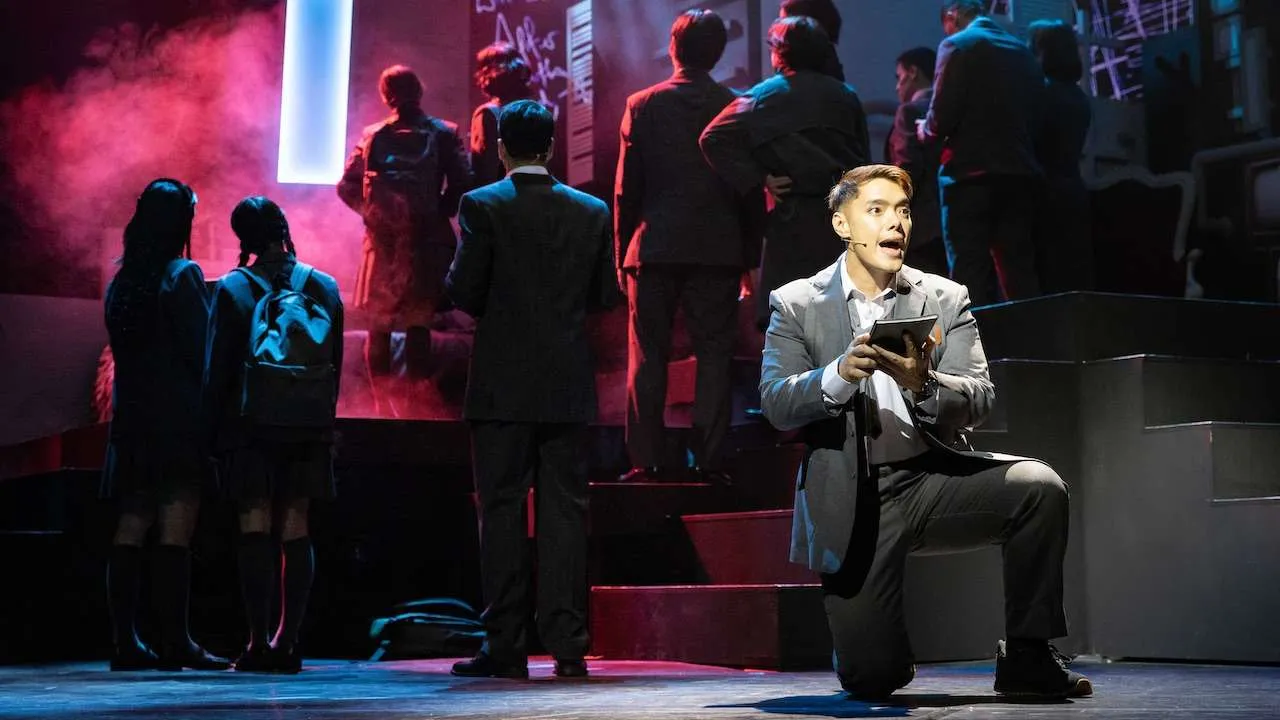
The revised “Death Note” musical will not only rely on its narrative strength but also its production value. The use of technology in modern theatre has transformed audience experiences, allowing for innovative staging, special effects, and immersive sound design. How these elements are integrated will be vital to the production’s overall impact. Given the psychological themes present in “Death Note,” a multidimensional approach to performance is likely to heighten audience engagement.
As we systematically analyze the components that will shape the success of this musical, it is essential to consider various contextual and market factors influencing its trajectory. The ongoing discussions around artist rights, intellectual property, and cultural representation become even more salient when assessing the crossover appeal of the “Death Note” narrative. A comprehensive understanding can also be gained from examining London & UK Politics – City and National Affairs.
Evaluating the future of the revised “Death Note” musical requires an executive-level overview, encompassing its anticipated market impact, cultural relevance, and comparative analysis against similar adaptations. This lens will provide a clearer understanding of the musical’s potential success and its implications within the global theatre landscape.
A High-Level Analysis of the Revised Musical
The executive perspective on the revised “Death Note” musical encompasses various components critical to its potential success in a competitive theatre environment. Understanding these factors is crucial for stakeholders, from producers to audiences.
Projected Market Engagement
The market for musical theatre has demonstrated resilience, with growing interest in niche genres and international content. Current trends show a significant appetite for adaptations of existing narratives, particularly those with established fan bases. “Death Note,” with its extensive reach in both anime and manga communities, is well-positioned to tap into this demographic. For further exploration of business trends in this field, see Business in London & the UK – Urban Economy & Trends.
Cultural Relevance in Today’s Context
The themes within “Death Note,” such as justice, morality, and existentialism, resonate strongly in contemporary discourse. Given ongoing societal discussions regarding ethics in governance and personal agency, the public sentiment may favor a revival of such narratives. In a society increasingly grappling with moral dilemmas through various lenses, the musical adaptation may serve as a timely exploration of these themes.
A Structured Comparative Review of Similar Adaptations
To better understand how the revised “Death Note” musical may position itself within the theatre landscape, a comparative framework against similar adaptations provides essential insights. This section outlines key adaptations that share thematic or narrative similarities, evaluating their execution and market reception.
As shown in the table above, productions like “Heathers: The Musical” and “Dear Evan Hansen” effectively leverage existing narratives while crafting new experiences. The varying degrees of market performance demonstrate that timing, marketing strategies, and cultural resonance significantly impact the reception of adaptations. Key insights can also be derived from examining London Walks & Local Places – City Routes and Stories.
After examining these adaptations, it becomes clear that the revised “Death Note” will need to not only engage its source material innovatively but also connect with contemporary audiences. This involves striking a balance between the philosophical complexities of its characters and the needs of a modern, diverse audience.
In-Depth Analysis of Adaptation Strategies
Creating a successful adaptation involves a unique interplay of narrative choices, thematic focus, and musical composition. The revised “Death Note” seeks to be both a tribute to its origins and an evolved work that appeals to new generations.
Narrative Strategy
In any stage adaptation, narrative coherence is critical for audience engagement. The “Death Note” saga already presents a rich narrative foundation, but how it translates to the stage will be paramount. With an expanded creative team comes the opportunity for a deeper exploration of character motivations, ethical conflicts, and dramatic arcs.
A renewed focus on character development may allow audiences to connect more empathically with figures who, in other forms, may come off as merely antagonistic. They need to see how the characters grapple with the weight of their choices.
Thematic Reimagination
The successful reimagining of themes, particularly within the psychological and philosophical realms, will determine the depth of audience engagement. Addressing contemporary issues such as mental health, societal responsibility, and moral relativism may resonate deeply with audiences today. The ability to communicate these themes through music and lyrics will further enhance the production’s impact.
Methodological Overview of Analytical Frameworks
To ensure a comprehensive evaluation of the revised “Death Note” musical, a methodological framework was employed focusing on both qualitative and quantitative analyses. This dual-faceted approach offers a balanced perspective that considers both artistic integrity and market viability.
Qualitative Assessment
Qualitative metrics were drawn from critical reviews of similar adaptations, audience feedback, and press coverage. By analyzing these factors, a clearer picture emerges of what aspects contribute to successful adaptations and which pitfalls to avoid.
Quantitative Metrics
Market research provided quantitative data detailing ticket sales, demographic engagement, and marketing performance. Such metrics allow for a robust forecast of potential outcomes for the “Death Note” musical.
This statistical lens serves as a foundation for understanding the broader implications of the adaptation within the music and theatre markets.
The Regulatory Environment Impacting Adaptations
The process of adapting a work like “Death Note” is not without its regulatory and structural challenges. Intellectual property rights, artistic licensing, and cultural representation issues come into play, creating a landscape that demands critical navigation.
Navigating Licensing and Rights
Acquiring rights to adapt “Death Note” for a musical stage involves detailed negotiations with original creators and stakeholders. This process is fraught with potential complications, especially given the different cultural interpretations of intellectual property in the East versus the West.
Clear frameworks for artistic licensing need to be established to ensure that the adapted version remains respectful of the original narrative while allowing for creative innovation.
Evaluating the Risks and Trade-Offs in the Adaptation Process
Every project comes with inherent risks, and adaptations like the revised “Death Note” musical are no exception. Assessing these risks is vital for stakeholders looking to invest their time and resources effectively.
Financial Constraints
Financial investment in theatre productions is often significant, with many projects facing risks of underperformance at the box office. The initial costs of staging, marketing, and acquiring rights can escalate rapidly, making it essential to strategically plan budget allocations. Stakeholders can benefit from looking at London & UK Finance – Markets, Money and Personal Finance for insights on industry trends.
Financial risks should be carefully weighed against potential rewards. Production companies must conduct thorough market research to gauge expected interest and revenue potential.
Audience Reception
An essential risk to consider involves audience reception. Established fans of “Death Note” have clear expectations, and failing to meet these can lead to backlash. Sticking too closely to the original narrative may alienate new audiences, while too much deviation might upset long-term fans.
Building Trustage and Ensuring Transparency in Production
Trust and transparency foster robust relationships between producers, artists, and audience members. Effective communication regarding creative choices and the adaptation process serves to build rapport and set clear expectations.
Collaborative Strategies
To ensure an inclusive adaptation process, collaboration with existing “Death Note” communities and stakeholders can provide vital feedback. Engaging with fans through social media or focus groups could lend insights that guide artistic decisions.
Transparent communication about creative changes reinforces trust with audiences. Emphasizing that these choices aim to enhance the narrative rather than dilute it can help mitigate risks related to audience pushback.
With the “Death Note” musical on the horizon, articulating these factors provides a clear lens through which to analyze its potential impact. The confluence of innovation, artistic integrity, and market dynamics will ultimately dictate the adaptation’s success in a rapidly evolving landscape.
As the premiere approaches, questions linger regarding how effective the production will be in balancing these considerations. Only time will reveal the legacy this adaptation will leave in the world of musical theatre.











Leave a Reply