
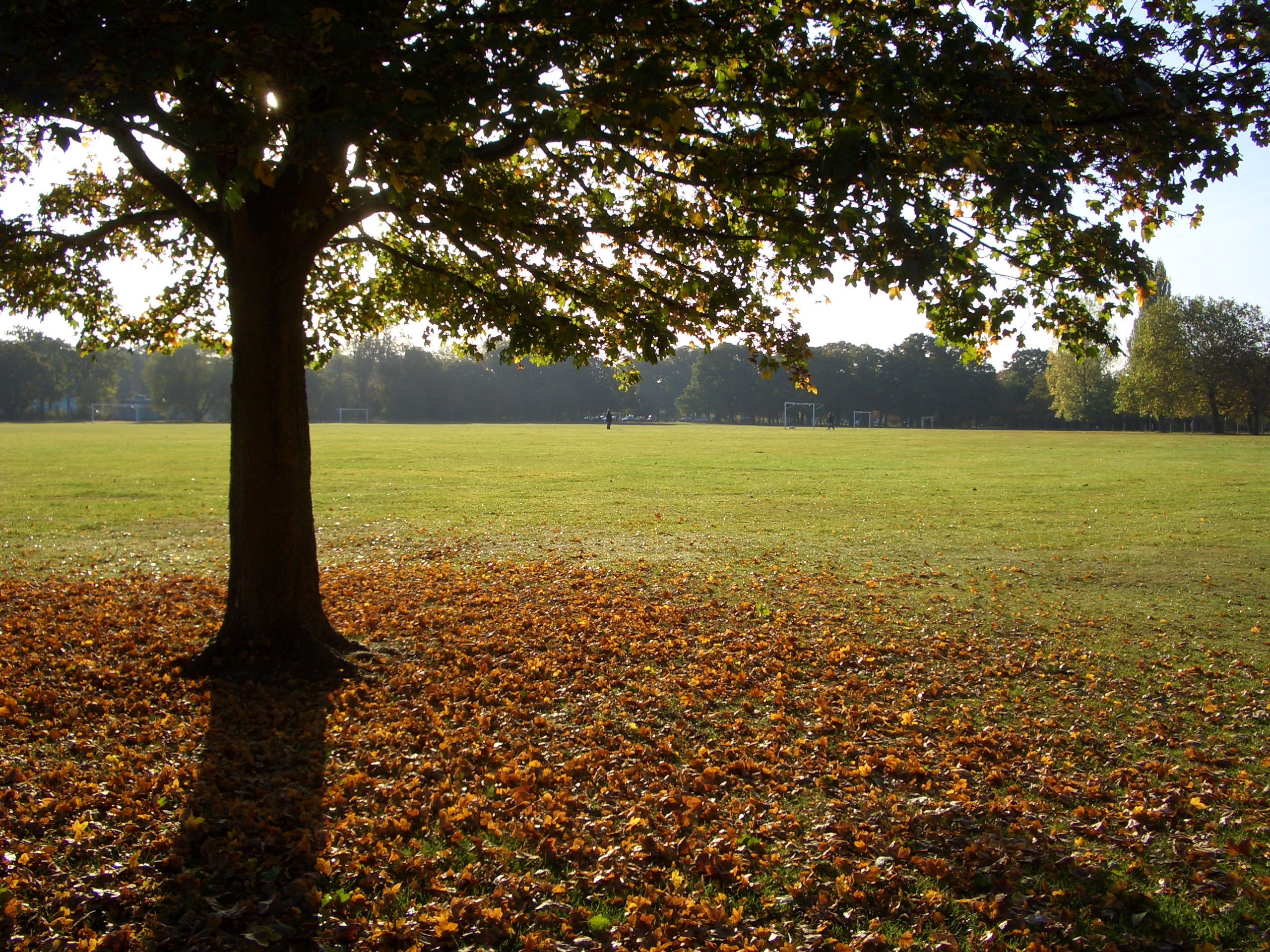
The Wild Wandsworth Biodiversity Action Plan represents a fundamental step towards promoting a greener future within local communities. With contributions from over 240 residents, this initiative outlines practical measures to protect wildlife, enhance habitats, and connect diverse neighborhoods with nature over the next five years. By evaluating the intricate interactions between urban development and biodiversity, this article delves into the broader implications of such an action plan within the context of the current environmental landscape and community engagement.
Setting the Stage for Biodiversity Initiatives
Biodiversity encompasses the variety of life found on Earth and is crucial for maintaining ecological equilibrium. Humans play a pivotal role in either enhancing or diminishing biodiversity through their actions. Urbanization, industrialization, and agricultural practices can lead to habitat destruction, pollution, and climate change, which can threaten local ecosystems and the intricate relationships they foster. Therefore, understanding these urban dynamics is essential for developing effective strategies to mitigate their impact.
In recent years, cities have recognized the importance of integrating biodiversity into urban planning. Initiatives like the Biodiversity Action Plan provide a structured framework for managing and conserving urban ecosystems. These plans often serve as a crucial guide for local governments, community organizations, and residents to identify opportunities for enhancing biodiversity and fostering a more sustainable environment.
A High-Level Overview of the Biodiversity Action Plan
The Wild Wandsworth Biodiversity Action Plan has been designed to address three main objectives: protecting existing wildlife, improving habitats, and fostering connections between communities and nature. Each objective is aimed at creating a relationship that benefits both the environment and the residents of Wandsworth.
In order to achieve these goals, the implementation strategies outlined in the plan involve a mix of education, community engagement, and practical conservation efforts. By drawing on community expertise, the plan sets a realistic framework that can both empower local residents and ensure environmentally sound practices are adhered to over the next five years.
Comparative Analysis of Biodiversity Action Plans
To provide a comprehensive understanding of the Wild Wandsworth Biodiversity Action Plan in relation to similar initiatives, the following table compares key components across several urban biodiversity programs:
| City | Action Plan Duration | Main Focus Areas | Community Engagement | Success Metrics |
|---|---|---|---|---|
| Wandsworth | 5 Years | Wildlife Protection, Habitat Improvement, Community Connection | High | Species Count, Habitat Quality Index |
| London | 10 Years | Urban Greening, Pollution Reduction, Public Awareness | Medium | Green Space Accessibility, Air Quality Improvement |
| New York | 8 Years | Habitat Restoration, Public Education | High | Community Programs, Species Reintroduction |
| Chicago | 5 Years | Wetland Restoration, Native Plant Cultivation | Medium | Habitat Area Expansion, Biodiversity Indices |
The table illustrates that while the Wandsworth plan aligns closely with global trends in biodiversity action, the emphasis on community engagement is noteworthy. High levels of public involvement foster a sense of ownership, which can significantly enhance the likelihood of successful implementation and long-term sustainability.
In-Depth Examination of Action Plan Components
The success of the Wild Wandsworth Biodiversity Action Plan hinges on multiple factors, including effective community outreach, thorough ecological assessments, and persistent monitoring to adapt strategies as needed.
Wildlife Protection Strategies
A critical component of the plan focuses on species conservation, particularly selected species that are facing decline within Wandsworth. By identifying at-risk species, the plan provides targeted strategies for their protection, including habitat restoration, controlled urban development practices, and raising public awareness of local species through educational programs.
Habitat Improvement Techniques
Improving and restoring local habitats is vital for enhancing biodiversity. Strategies may involve converting underused areas into green spaces, planting native species, and establishing ecological corridors. These initiatives not only improve local biodiversity but also enhance the quality of life for residents by providing accessible green spaces, a point echoed in discussions about urban greening.
Strengthening Nature Connections
Building meaningful connections between communities and their surrounding nature is another focus area. Public events, workshops, and interactive activities can promote an understanding of local biodiversity while inspiring residents to take an active role in conservation efforts.
Analyzing the Research Methodology Behind the Plan
The success of any biodiversity action plan heavily relies on robust research methodologies to inform decision-making and gauge progress. For the Wild Wandsworth Biodiversity Action Plan, a thorough and inclusive methodology was adopted.
The planning phase involved extensive community consultations, where local residents were actively engaged in defining priorities. Additionally, environmental assessments were conducted to establish baseline metrics for biodiversity and habitat quality in the area. This data-driven approach enables adaptability in strategies as conditions evolve over the five-year span.
The Regulatory Landscape for Biodiversity Conservation
An extensive regulatory framework defines biodiversity conservation in the United Kingdom, which impacts local initiatives like the Wild Wandsworth Biodiversity Action Plan. The UK’s biodiversity strategy and specific environmental policies guide action plans, providing a structure for conservation efforts.
Compliance with local, national, and international wildlife protection laws is not optional but a foundational element of the planning process. As the plan unfolds, it will be crucial to evaluate how effectively these regulations are integrated and upheld, ensuring that local initiatives align with broader environmental goals, similar to initiatives discussed in London’s business landscape.
Framework for Practical Decision-Making
The Wild Wandsworth Biodiversity Action Plan lays out a practical framework to guide stakeholders in decision-making processes. This framework is designed to empower residents, local organizations, and government agencies to collaborate effectively.
Decision-makers should consider the following points when implementing the Biodiversity Action Plan:
- Data-Driven Initiatives: Prioritize decisions informed by comprehensive ecological assessments.
- Community Engagement: Foster public participation by actively involving residents in the planning and execution stages.
- Sustainability Focus: Implement initiatives that are not only environmentally sound but also socially and economically viable.
These guiding principles help ensure that decisions made will have a lasting positive impact on local biodiversity.
Challenges and Considerations for Implementation
While the Wild Wandsworth Biodiversity Action Plan is undoubtedly ambitious, it is essential to recognize potential risks and limitations inherent in any environmental initiative. Some key considerations include:
-
Resource Availability: Adequate funding and staffing are crucial for implementing the actions laid out in the plan. Shortfalls in resources can hinder effective execution.
-
Public Commitment: The success of community-oriented initiatives is contingent upon sustained interest and involvement from residents.
-
Compliance Challenges: Navigating regulatory requirements and ensuring adherence to all guidelines demands thorough planning and ongoing oversight.
Addressing these challenges proactively will be essential for cultivating a resilient and impactful biodiversity initiative.
Building Trust and Ensuring Transparency in Processes
Trust and transparency are fundamental in fostering collaboration among stakeholders involved in the Wild Wandsworth Biodiversity Action Plan. By maintaining open communication and sharing data regarding the plan’s progress, community members will feel more informed and engaged.
Regular reporting on metrics, challenges, and updates can build credibility and reinforce the importance of collective efforts. These measures will create a supportive environment for ongoing participation, thus enriching the initiative’s impact.
The integration of comprehensive biodiversity action plans like the one in Wandsworth highlights the collective responsibility of urban communities in shaping a sustainable future. With active citizen involvement and a commitment to ecological health, the potential for enhancing biodiversity and improving community well-being is considerable.















Leave a Reply