
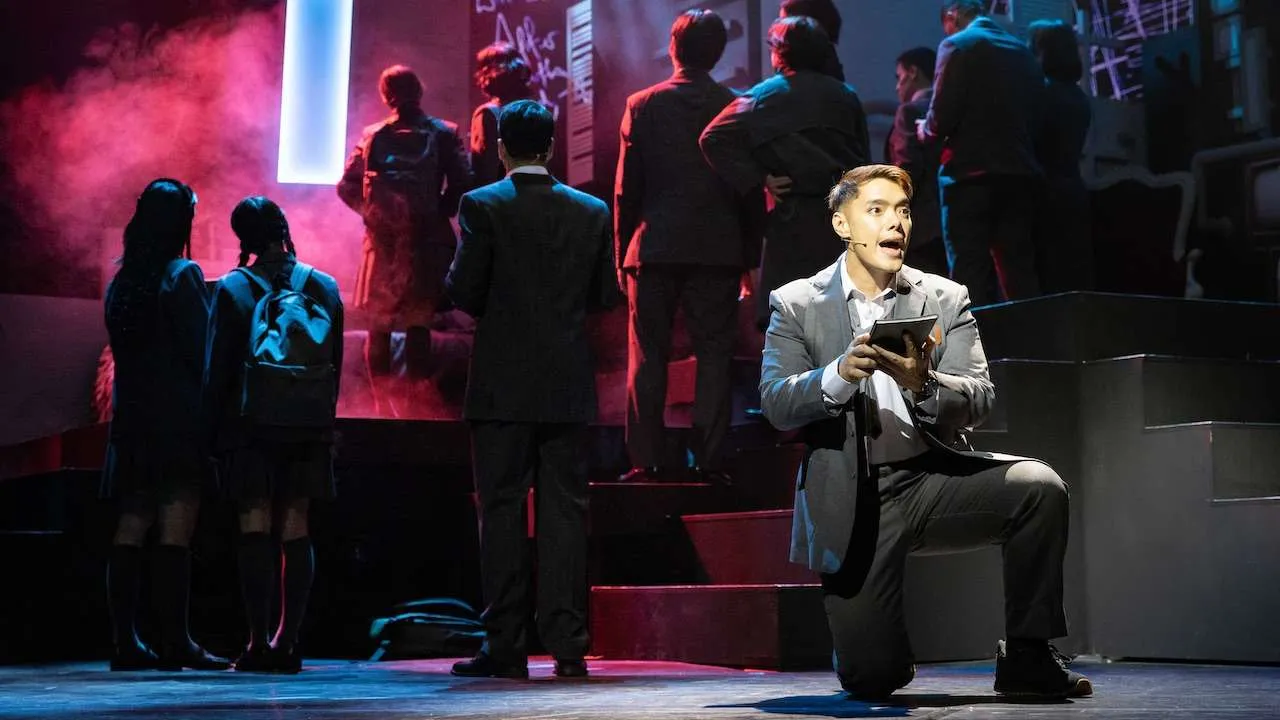
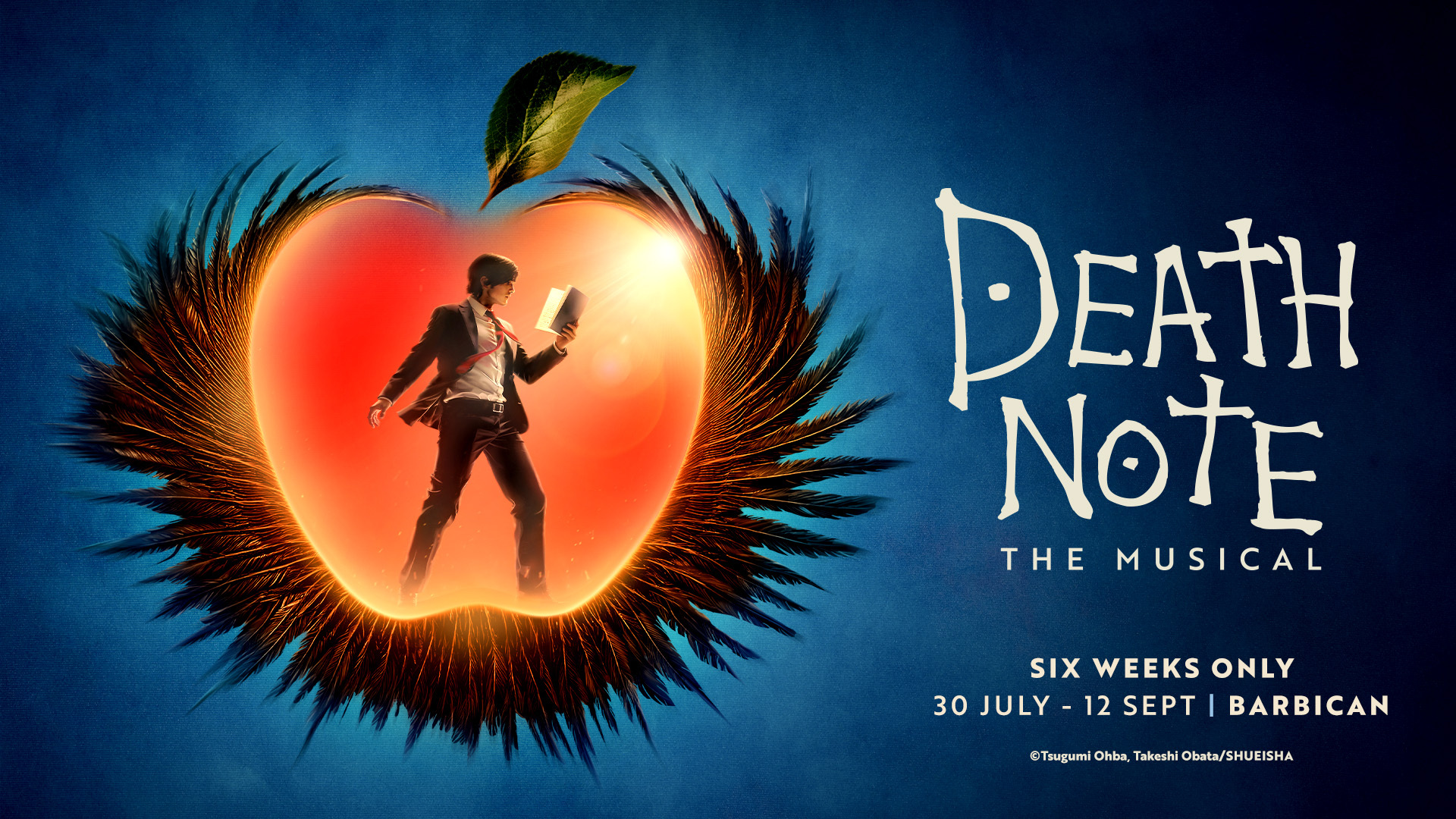
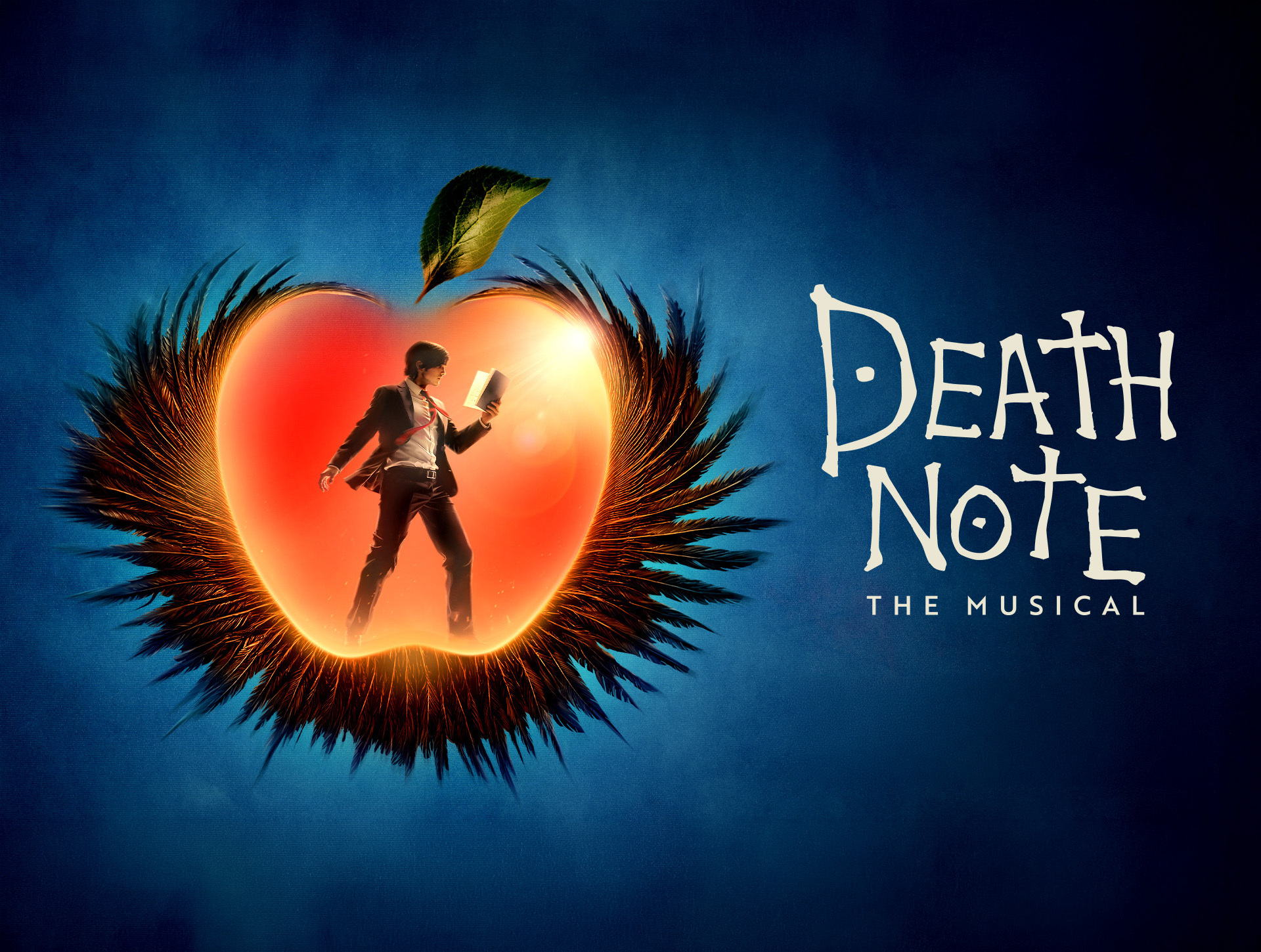
The announcement of a new production of the “Death Note” musical set to premiere in London in 2026 has resulted in significant conversation within both the theatrical and anime communities. “Death Note,” originally a manga series created by Tsugumi Ohba and Takeshi Obata, has transcended its medium to inspire various adaptations, including anime, film, and stage productions worldwide. As the musical format gains traction, understanding the context, evolution, and potential impacts surrounding this latest iteration is essential for stakeholders and audiences alike.
Context and Industry Background
The cultural phenomenon of “Death Note” began in 2003, engaging diverse audiences through its psychological themes and moral quandaries. The narrative, revolving around a high school student who discovers a supernatural notebook that allows him to kill anyone whose name he writes within it, invites exploration of justice and morality’s complexities. The story’s popularity led to its adaptation into various formats, but the theatrical representation—most notably the musical—has emerged as a persistent area of interest. London Walks & Local Places – City Routes and Stories provide unique perspectives on cultural adaptations such as this.
The first “Death Note” musical debuted in Japan in 2015, showcasing the narrative’s ability to resonate on stage through compelling musical numbers, elaborate production design, and intricate choreography. This adaptation managed to gather a dedicated fan base and prompted subsequent productions in different regions, including the United States and South Korea. The London premiere represents a significant milestone not just for fans but also for the broader theatrical landscape, as it marks the first time this adaptation will be showcased in one of the world’s leading theatrical hubs.
Executive-Level Overview
Securing London’s prestigious West End as the location for this premiere provides a strategic opportunity for the production. The West End is known for its high-quality productions, drawing in both local audiences and international tourists. By situating the “Death Note” musical in this setting, the producers aim to enhance visibility and leverage existing interest in both theatrical performances and anime adaptations. For more insights on business potential in London, you can explore Business in London & the UK – Urban Economy & Trends.
Industry experts often highlight that adaptability to different cultural contexts can significantly alter a production’s reception. Given London’s diverse audience and the global resonance of “Death Note” themes, the potential for a productive cross-cultural dialogue exists. This presents an exciting prospect for directors, cast members, and producers, as they consider how to reinterpret the material to appeal to a Western audience while remaining faithful to its origins.
In-Depth Comparative Analysis of Adaptations
A detailed comparison of various adaptations of “Death Note” illustrates the shifts in narrative focus and artistic interpretation that have occurred over the years. By examining previous stage versions alongside the upcoming London premiere, insights into potential audience reception and artistic choices can be gleaned.
Comparative Table of Major Adaptations
The following table provides a breakdown of notable adaptations of “Death Note,” highlighting significant elements such as year of adaptation, format, and key themes.
| Year | Format | Key Themes | Notable Elements |
|---|---|---|---|
| 2003 | Manga | Justice, Morality | Initial Story Development |
| 2006 | Anime | Psychological Thriller | Animation Style, Voice Acting |
| 2015 | Stage Musical | Creative Expression of Themes | Original Score, Choreography |
| 2017 | Film | Pop Culture Elements | Western Adaptation, Criticism |
| 2021 | Stage Musical (Sequel) | Continuation of Themes | New Characters, Expanded Narrative |
| 2026 | West End Musical Premiere | Adaptation of Proven Success | Expectation for Innovation |
This table foregrounds crucial insights into the evolution of “Death Note” across various media. Each adaptation has introduced unique elements, shaping public perception and engagement with the source material. For broader perspectives on London’s cultural scene, check out London & UK Main News – City Updates, Culture & Urban Stories.
Significant Considerations for the New Production
As the creative team prepares for this new London premiere, several factors must be evaluated to maximize the production’s potential impact. The selection of cast, direction, staging, and music will ultimately shape audience reception and critical reviews.
The Role of Casting and Original Score
The casting choices for principal roles such as Light Yagami and L will be instrumental in conveying the complex emotional depth that the characters require. Not only must actors embody the essence of their characters, but they must also possess the vocal proficiency necessary for musical performance.
Additionally, an original score that resonates with the overarching themes of justice and morality will be essential for maintaining the narrative’s integrity. Engaging a composer familiar with the nuances of musical theater yet willing to embrace new interpretations will be pivotal.
Staging and Production Design
The physical staging of the production will also play a crucial role in how audiences experience the story. Innovations in set design can enhance or diminish the emotional impact of key scenes. A decision to retain or modify iconic settings like the Shinigami realm or the Tokyo cityscape lends itself to various artistic interpretations.
While loyalty to the source material is important, the creative team faces the challenge of integrating novel elements that may capture wider audiences, potentially drawing in spectators unfamiliar with the original work.
Research and Analysis Framework
An analytical approach to evaluating the potential success of the “Death Note” musical in London will necessitate a comprehensive research methodology. This framework will focus on audience demographics, market trends, and previous reception to similar adaptations.
Data Collection Methods
-
Surveys and Interviews: Collecting qualitative data through surveys of potential audiences, such as theatergoers, anime fans, and stakeholders within the theater industry. This will provide insights into expectations and concerns surrounding the new production.
-
Box Office Analysis: Evaluating historical data from similar musical adaptations in the West End can inform projections regarding ticket sales and audience turnout. For insights on audience engagement trends, refer to London Events – What to Do in London, Things to See & Experience.
-
Social Media Sentiment Analysis: Monitoring discussions on platforms like Twitter and Facebook will offer real-time insights into audience reactions and prevailing sentiments surrounding the upcoming premiere.
Evaluation Metrics
The success of the production can be assessed through various metrics, including:
- Ticket Sales: An indicator of popularity and interest.
- Critical Reviews: Analysis of reviews from recognized critics will provide insights into the artistic value and audience reception.
- Audience Engagement: Measuring social media engagement and ticket sales trends over time can illustrate ongoing interest in the production.
Market Context and Regulatory Considerations
With the globalized nature of media, the theatrical adaptation landscape faces various regulatory and structural considerations. These factors can influence everything from marketing strategies to content restrictions.
Cultural Appropriateness and Sensitivity
As the production aims to appeal to a broad demographic in London, understanding cultural sensitivities is paramount. The storyline of “Death Note” contains dark themes and moral dilemmas that may provoke differing responses from audiences with varied backgrounds and beliefs. Therefore, discussions around appropriation or the portrayal of certain character arcs should be navigated thoughtfully.
Compliance with Theater Regulations
The London theater landscape is subject to various guidelines and regulations that govern production practices. Ensuring compliance with performance rights for the original work and adapting the musical appropriately will be necessary to avoid legal pitfalls.
Framework for Practical Decision-Making
In preparing for the premiere, practical decision-making frameworks will guide stakeholders in navigating potential challenges and identifying opportunities. Stakeholders must include producers, directors, and cast members as they collaborate to realize the production vision.
Strategic Partnerships
Building relationships with key stakeholders, such as talent agencies, marketing firms, and sponsorships, can provide resources and visibility. Establishing a robust network of collaborators enables broader outreach and may enhance promotional efforts.
Agile Production Planning
In the fast-paced world of theater, remaining adaptable is vital. Situational awareness of audience feedback and box office performance will influence necessary adjustments. Thus, ongoing evaluations of production elements will allow the team to pivot in response to audience needs.
Examining Risks and Challenges Ahead
With any production, a host of risks and challenges can arise that may impact its reception and longevity. Identifying these factors allows for preemptive strategies to mitigate adverse effects.
Financial Considerations
The financial investment associated with mounting a production in the West End is significant. Fluctuating ticket prices and potential competition from other notable shows can affect profitability. A lack of initial interest may lead to financial strain, necessitating thoughtful financial planning and investment strategy.
Creative Risks in Adaptation
Adapting a beloved cultural artifact offers the dual possibility of innovative re-interpretation alongside audience backlash. Audience expectations can be high when dealing with established works, thus the creative team must balance fidelity to the source material with artistic freedom.
Commitment to Trust and Transparency
Acting with integrity is crucial for maintaining stakeholder trust throughout the production process. Transparency in creative decisions, casting choices, and marketing strategies will play a role in fostering audience engagement.
Open Communication Channels
Keeping communication lines open with both audiences and criticism can lead to valuable feedback. Stakeholders can benefit from forum discussions, Q&A sessions, and social media engagement that invites audience participation.
Accountability in Creative Decisions
Sustaining accountability in decision-making—ranging from creative choices to financial expenditures—will enhance the production’s integrity. Engaging with a broad range of perspectives can result in a more polished and well-rounded presentation.
While anticipation builds for the London premiere of the “Death Note” musical, ongoing discussions surrounding adaptation, audience engagement, and artistic interpretation reflect the complexities inherent in bringing such a rich narrative to the stage. As creators honor the story’s legacy while striving to innovate, the balancing act will likely prove a focal point for both critical and audience reception.











Leave a Reply