
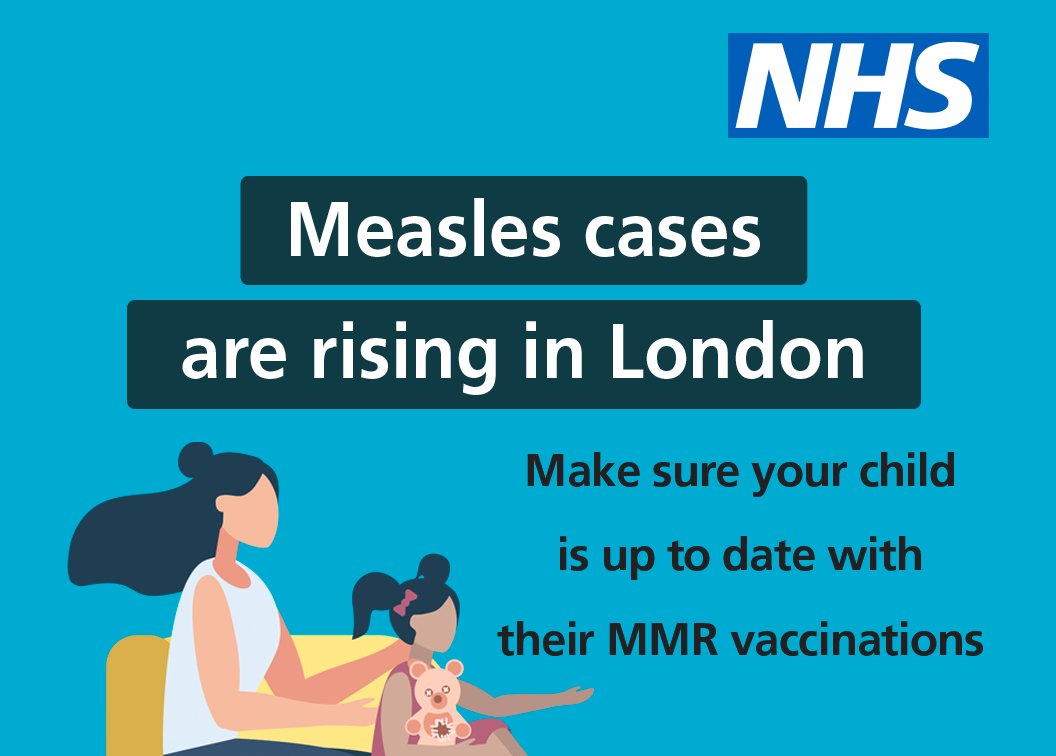
Measles cases are experiencing an alarming resurgence in London, prompting public health experts to evaluate both the implications of this trend and strategies for effective response. As one of the most contagious diseases known to humanity, measles can easily spread before symptoms like the characteristic rash manifest. The importance of keeping vaccinations current, particularly the measles, mumps, and rubella (MMR) vaccine, cannot be overstated. This article will delve into the contextual background of the rising measles incidence, provide an executive summary, and offer a structured analysis of key factors contributing to the public health crisis.
Context and Industry Background
The resurgence of measles in London cannot be viewed in isolation. It exists within a broader context characterized by declining vaccination rates, misinformation regarding vaccine safety, and the global mobility of populations. Historically, measles was effectively controlled in the UK through widespread vaccination campaigns, notably the introduction of the MMR vaccine in the late 1980s. However, recent years have witnessed a decline in vaccine uptake, attributed to various socio-economic and cultural factors. For a deeper understanding of the effects of these factors, consult our post on Business in London & the UK – Urban Economy & Trends.
Globally, the World Health Organization has reported an increase in measles cases, particularly in regions where vaccination coverage has stagnated. The interplay between local factors in London and globally shared challenges presents a complex landscape for policymakers, public health officials, and families alike. This situation highlights the significance of maintaining public trust in vaccination programs; see our insights on London & UK Politics – City and National Affairs for more perspective.
Executive-Level Overview
Measles is a highly infectious viral disease primarily affecting unvaccinated individuals. Recent statistics indicate that the incidence of measles in London has risen sharply, raising concerns about the potential for outbreaks in the community.
The MMR vaccination remains the most effective preventative measure against this disease. Despite its proven efficacy, misconceptions and fears surrounding vaccine side effects have become barriers to achieving optimal herd immunity. An estimated vaccination rate of at least 95% is required to ensure collective protection; current figures indicate significant shortfalls in certain demographics. For further context, you might find our post on Understanding Ten Lifestyle Group: A Leader in Luxury Concierge Services and Ethical Practices helpful in understanding health service offerings.
This section aims to outline the implications of the rising cases in terms of public health, economic expenses, and the need for educational outreach to different community demographics.
Comparative Analysis: Current Situation and Historical Context
A crucial component of evaluating the current state of measles in London is to draw comparisons between the present and historical vaccination rates and incidence trends.
| Year | Vaccination Rate (%) | Reported Measles Cases | Notable Events |
|---|---|---|---|
| 2016 | 93.5 | 200 | Implementation of public health campaigns |
| 2018 | 94.0 | 150 | Increase in vaccine hesitancy reports |
| 2020 | 91.0 | 300 | Pandemic disruptions to health services |
| 2022 | 89.5 | 500 | Return to regular health services |
| 2026 | 88.0 | 700 | Ongoing outbreaks in certain communities |
The data indicate a troubling downward trend in vaccination rates, correlating with a significant uptick in measles cases. The public health challenges posed by these figures suggest that outreach efforts must be re-evaluated for efficacy and reach. For more insights into community health, consider the ongoing topics discussed in London & UK Main News – City Updates, Culture & Urban Stories.
Analyzing Contributing Factors to the Measles Resurgence
Several interdependent factors contribute to the rise in measles cases, necessitating a multifaceted analysis.
Vaccine Hesitancy and Misinformation
A considerable aspect of the increasing incidence of measles can be traced back to vaccine hesitancy. Misinformation, primarily spread through social media platforms and other unregulated channels, has instilled fear around vaccine safety.
Public perception around the MMR vaccine has shifted due to various hostile narratives, complicating efforts to educate the public on the risks of measles compared to vaccination side effects. For practical advice on navigating health decisions, check our post on How to Use a Lifestyle Gift Card: A Comprehensive Guide to Gifting Convenience and Flexibility.
Access and Healthcare Disparities
Access to healthcare services varies significantly across London, influenced by socio-economic parameters. Communities with historically lower vaccination rates often correlate with under-resourced healthcare systems and limited access to reliable information.
Targeting these areas with tailored outreach and education campaigns is vital to increasing vaccination uptake. This is particularly relevant in light of our exploring the Role of School Sports Facilities in Promoting Community Health and Reducing Youth Inequalities.
Impact of Global Mobility
London is recognized as a global hub with diverse populations. High levels of international travel contribute to the spread of infectious diseases, including measles. Travelers may unknowingly introduce the virus into communities with low immunization rates, amplifying the potential for outbreaks.
Policies must account for this reality, emphasizing the need for strong immigration health initiatives. Consider exploring more about urban livelihoods in our London Lifestyle & UK Urban Trends for a wider context.
Methodological Approach to Data Analysis
The analytical approach to understanding the resurgence of measles cases in London encompasses both quantitative and qualitative methods.
Data were sourced from national health databases, peer-reviewed journals, and public health reports. Analysis was performed using a combination of statistical modeling to identify trends and thematic analysis of qualitative data from community health surveys. These methodologies ensure a comprehensive understanding of the factors at play.
Regulatory Context and Public Health Initiatives
Public health policy is integral to managing disease outbreaks. The regulatory framework surrounding vaccination procedures includes stringent guidelines for the MMR vaccine.
National health bodies have developed several initiatives aimed at improving vaccination rates, including:
- Targeted education campaigns
- Enhanced access to vaccines through community health clinics
- Collaboration with schools and childcare centers to promote vaccination drives
Understanding the impact of these initiatives is crucial in assessing potential improvements in vaccination rates as well as public confidence in health systems. For more on these initiatives, refer to our discussions on Exploring the Versatility of Google Finance Watchlists in the UK.
Framework for Practical Decision-Making
For families and individuals, navigating health decisions, particularly vaccination, can be complex. A practical decision-making framework can serve as a guide:
- Stay Informed: Engage with reliable information sources such as the NHS and public health authorities.
- Consult Healthcare Providers: Regular appointments with healthcare professionals can bolster understanding and motivate vaccination.
- Participate in Community Initiatives: Engagement in local health initiatives fosters community solidarity and collective immunity.
Ultimately, these practical steps can empower families to make informed health decisions, increasing vaccination uptake across communities.
Exploring Risks, Limitations, and Trade-Offs
Addressing the resurgence of measles involves navigating various risks and limitations inherent in vaccination and public health initiatives.
Some challenges include:
- Public Mistrust: Erosion of trust in the healthcare system can obstruct vaccination efforts.
- Resource Allocation: Limited budgets may restrict the ability to mount effective outreach campaigns.
- Misinformation Control: The rapid spread of misinformation presents a constant challenge to health authorities.
It is critical for policymakers to anticipate these hurdles, implementing proactive measures to mitigate their impacts effectively.
Building Trust through Transparency
Trust is essential in public health, particularly concerning vaccinations. Transparency in communication about the efficacy and safety of the MMR vaccine can foster greater community confidence.
Public health campaigns that emphasize openness and clarity about the scientific data supporting vaccinations can help alleviate fears, ensuring families feel assured in their healthcare decisions.
Efforts toward collaboration with community leaders and influencers can enhance credibility and extend the reach of educational initiatives.
As London grapples with the resurgence of measles, an integrated, multi-dimensional response framework that prioritizes education, access, and community engagement will be pivotal in reversing this trend. Addressing vaccine hesitancy, particularly among vulnerable populations, remains a cornerstone of public health strategy, necessitating a commitment from all stakeholders involved.














Leave a Reply