
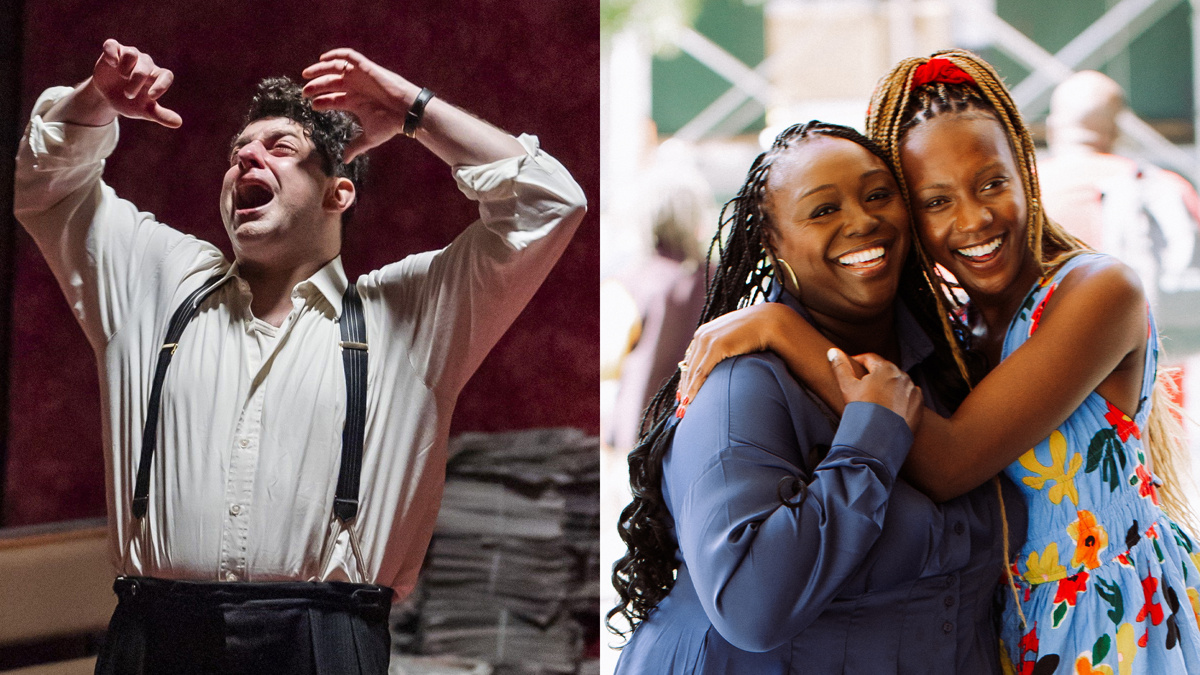
The landscape of contemporary theater continues to resonate with universal themes of morality, identity, and societal expectations, often reflecting on historical narratives while digging deeply into current issues. In this analysis, we will explore how two prominent works – “Jaja’s African Hair Braiding” and Arthur Miller’s “Broken Glass” – alongside the character of John Proctor from “The Crucible,” serve to illuminate pressing aspects of the human experience. Each piece offers valuable insights into individual struggles against societal pressures and the nuances of personal integrity, drawing parallels and distinctions worthy of examination.
A Glimpse into Contemporary and Historical Theatrical Landscapes
Theatrical narratives often function as mirrors reflecting the cultures and epochs from which they emerge. “Jaja’s African Hair Braiding,” penned by the celebrated playwright, aims to spotlight issues surrounding cultural heritage, identity, and the African diaspora’s experiences in America. Set against bustling New York City, the play weaves together personal and communal stories, inviting audiences to confront preconceived notions and embrace cultural diversity.
Conversely, Arthur Miller’s “Broken Glass,” first performed in 1994, delves into the psychological and societal impacts of historical trauma, specifically addressing the ramifications of the Kristallnacht pogrom on a Jewish family in 1938 Brooklyn. Miller adeptly uses interpersonal dynamics to explore how external political upheaval touches the lives of individuals, making the interpersonal struggles resonate with those navigating challenges in different eras. For further exploration of the societal themes in Miller’s works, see our post on Understanding Business Insurance Services.
To further comprehend these works, it is essential to contextualize the societal issues they address, focusing on how these themes are communicated through character arcs and narrative structures.
A Comparative Look at Key Characters and Themes
The following comparative analysis seeks to highlight the character and thematic parallels among the protagonists within these works. By evaluating John Proctor, the complex hero of “The Crucible,” alongside the characters from “Jaja’s African Hair Braiding” and “Broken Glass,” the depth of moral conflict and the search for identity and belonging will be scrutinized.
Character Arcs of John Proctor, Jaja’s Ensemble, and Miller’s Family Dynamics
The lead character in Arthur Miller’s “The Crucible,” John Proctor, embodies the struggle against societal judgment and personal guilt. Proctor’s journey is marked by an internal battle between maintaining his integrity and the overwhelming pressures of public opinion. His ultimate decision to sacrifice his life rather than compromise his values presents a powerful commentary on the importance of personal truth. This theme of integrity can also be reflected in current business practices; see our post on Navigating the Intricacies of the AoE2 Tech Tree.
In “Jaja’s African Hair Braiding,” the characters navigate their identities amid a predominantly Western cultural landscape. The salon becomes a site of resistance, where stories unfold, and personal histories interweave. This dynamic setting allows for rich character development as individuals confront and embrace their multifaceted identities, pushing back against stereotypes while asserting their place in the larger societal narrative.
The family in Miller’s “Broken Glass” faces a different kind of moral quandary, rooted in the historical trauma of the Holocaust. The psychological fallout from political events weighs heavily on their lives, complicating their relationships and forcing them to confront the implications of their cultural identity. This shared experience of trauma fosters a connection between characters, albeit through varying lenses of resilience and vulnerability. For insights into community impacts far and wide, consider reading about Understanding London Waterloo Severe Rail Disruption.
Table: Key Character Comparisons
The following table illustrates the core attributes and dilemmas faced by the characters from the analyzed works. It provides a clear understanding of how these motivations align or diverge across the narratives.
| Character | Work | Core Conflict | Resolution Path |
|---|---|---|---|
| John Proctor | The Crucible | Personal guilt vs. public reputation | Ultimate sacrifice for integrity |
| Jaja | Jaja’s African Hair Braiding | Cultural identity vs. societal stereotypes | Embracing heritage through community |
| Harry | Broken Glass | Historical trauma vs. family stability | Confronting past through familial bonds |
This comparative examination offers insight into the essential conflicts driving the narratives. The characters reveal varied responses to their predicaments, contributing to a rich exploration of human dignity and resilience.
Analyzing the Emotional and Societal Stakes
As society grapples with issues of racism, identity, and historical trauma, the emotional stakes in these narratives become more pronounced. Each piece not only serves as entertainment but also delivers a commentary on real-world dilemmas, affecting both the individual and communal conscious.
Emotional Resonance in Jaja’s African Hair Braiding
In “Jaja’s African Hair Braiding,” the emotional stakes are intertwined with themes of cultural preservation and acceptance. The salon acts as a sanctuary where characters confront not only their own insecurities but also the larger societal views on African identity. The interplay of humor, pain, and shared experiences resonates with audiences, opening dialogues around race and cultural representation in contemporary settings. See also Best Places to Visit in Scotland for insights into cultural experiences.
The Grappling with Historical Trauma in Broken Glass
Miller’s “Broken Glass,” on the other hand, grips its audience by portraying the haunting remorse that results from historical tragedies. Harry’s struggle signifies the painful legacy of trauma, reflecting how past atrocities permeate present-day lives and relationships. The emotional repercussions extend beyond the individual, highlighting how society reckons with its history in the context of a globalized world.
With their unique stakes, both works evoke a dialogue on identity, societal roles, and the relentless pursuit of understanding one’s place within a broader context.
Framework for Critical Evaluation
When assessing these theatrical pieces, a systematic approach allows for a more comprehensive understanding. By examining thematic elements, character development, and audience impact, one can appreciate the nuanced ways in which these works engage with the cultural zeitgeist and invoke meaningful reflection.
A Methodical Approach to Textual Analysis
The methodological assessment of theatrical works necessitates an analytical lens that considers multiple dimensions, including historical context, performance interpretation, and audience reception. A crucial step is to engage deeply with primary texts and relevant scholarly critiques. This dual engagement allows one to align the narrative’s thematic concerns with its social implications, scrutinizing how each character’s arc contributes to a larger commentary on human experience.
Data collection should include reviews, production notes, and audience testimonials to gauge impact. This mixed-methods approach enriches the analysis by incorporating quantitative and qualitative data, creating a multi-faceted view of the works in question.
Contextual Elements in Regulatory and Market Dynamics
Theatrical productions operate within a specific regulatory framework influenced by cultural, financial, and artistic dynamics. For works like “Jaja’s African Hair Braiding” and “Broken Glass,” understanding the marketplace and institutional structures that support or limit artistic expression is paramount.
Current Market Trends and Artistic Expression
Market conditions for theater have evolved significantly, particularly in the wake of the COVID-19 pandemic, which forced many institutions to explore new formats and hybrid models. Accessibility to diverse narratives has become increasingly important, highlighting the necessity for representation in theater that mirrors society’s complexities. See our piece on Exploring Lifestyle Voucher Login for insights into contemporary trends.
Moreover, funding dynamics and the prioritization of certain stories based on marketability can impact which narratives are told. This context influences artistic decisions and the choices directors and playwrights make in presenting their works.
Exploring Risks and Limitations in Theatrical Analysis
As with any critical examination, there are inherent risks and limitations in evaluating theatrical works. Identifying these factors is vital for transparent analysis.
Potential Pitfalls in Interpretive Approaches
Artistic interpretation often involves subjective assessments. Personal biases can influence critical evaluations, potentially overshadowing the work’s inherent messages. Critics must remain vigilant against allowing personal background or preconceived notions to color their understanding of a piece.
Additionally, the limitations of available data about audience reception and societal impact can skew interpretations. Understanding the context in which a play was produced and received is crucial for meaningful analysis.
Building Trust through Transparent Evaluation Practices
In academic and critical discussions, fostering trust relies on transparent evaluation methodologies. Open acknowledgment of biases, methods, and data sources strengthens the perceived integrity of analyses.
Accepting the Complexity of Art Commentary
Accepting that commentary on art is often complex allows for a richer dialogue surrounding theater. Engaging with a diversity of perspectives encourages a comprehensive understanding of the works, inviting multifaceted discourse rather than reductive readings.
Overall, the incorporation of varying viewpoints amplifies discourse, inviting deeper dialogues about identity, societal frameworks, and human experiences represented within the theatrical realm.
The convergence of historical context, emotional stakes, and character development in “Jaja’s African Hair Braiding,” “Broken Glass,” and “The Crucible” establishes a rich tapestry of themes relevant to contemporary audiences. The ability of these works to navigate complexities of culture and identity speaks to their enduring significance and the power of theater as a vehicle for social commentary. Through a careful, nuanced analysis, the intricate layers within these narratives emerge, inviting further reflection on the human condition.











Leave a Reply