
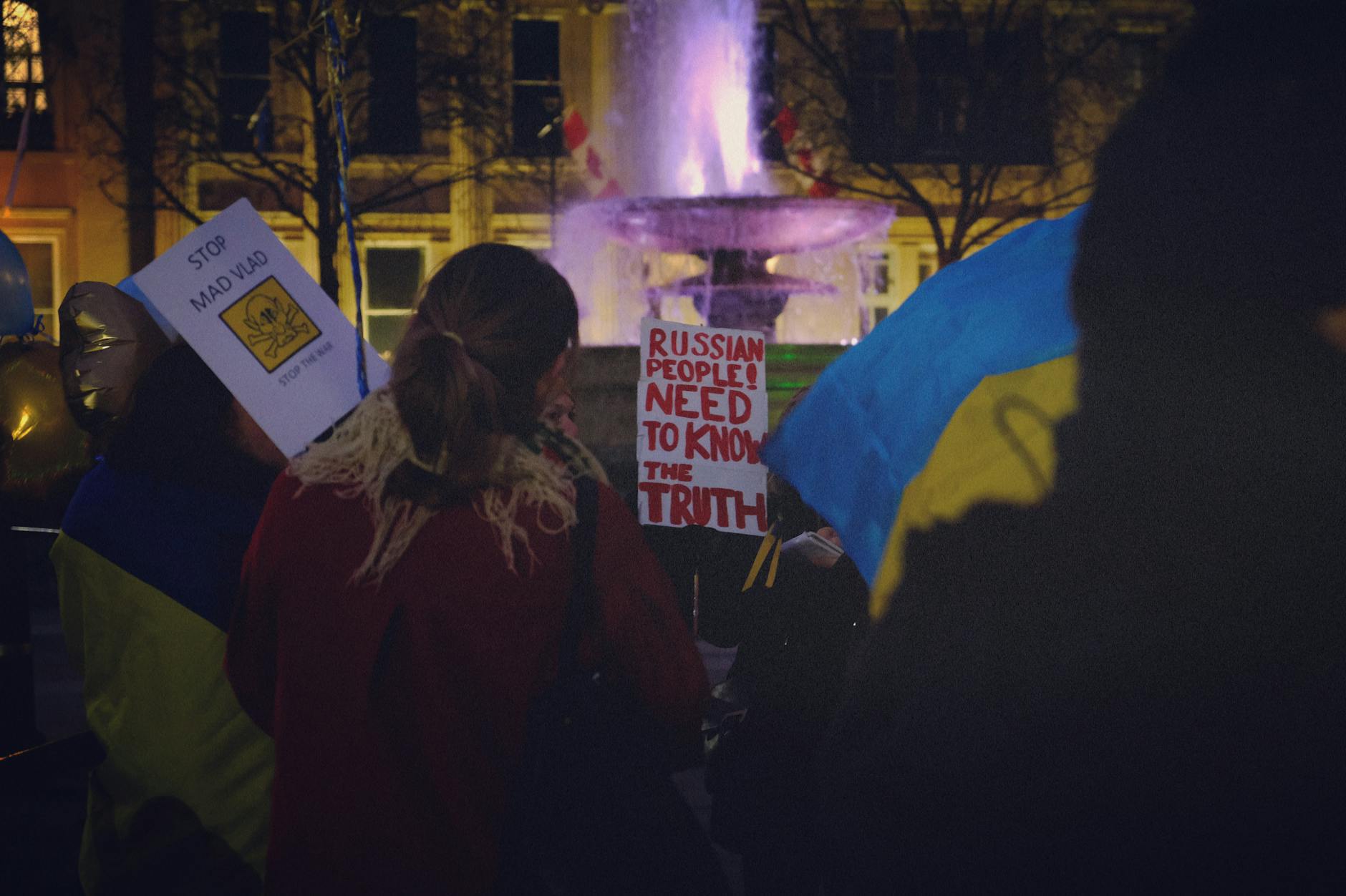
Seventy-two percent of British people now believe the country is more divided than it was a decade ago. Not slightly more divided. Not a bit frayed around the edges. Genuinely, fundamentally, almost irreparably split — at least that’s how it feels to the majority of people who were asked. A new study has confirmed what many Londoners have been sensing for years in their WhatsApp groups, at their dinner tables, and increasingly in their workplaces: the culture war isn’t a media invention or a Twitter fever dream. It’s real, it’s escalating, and it’s reshaping how we live alongside each other in this city and across the country.
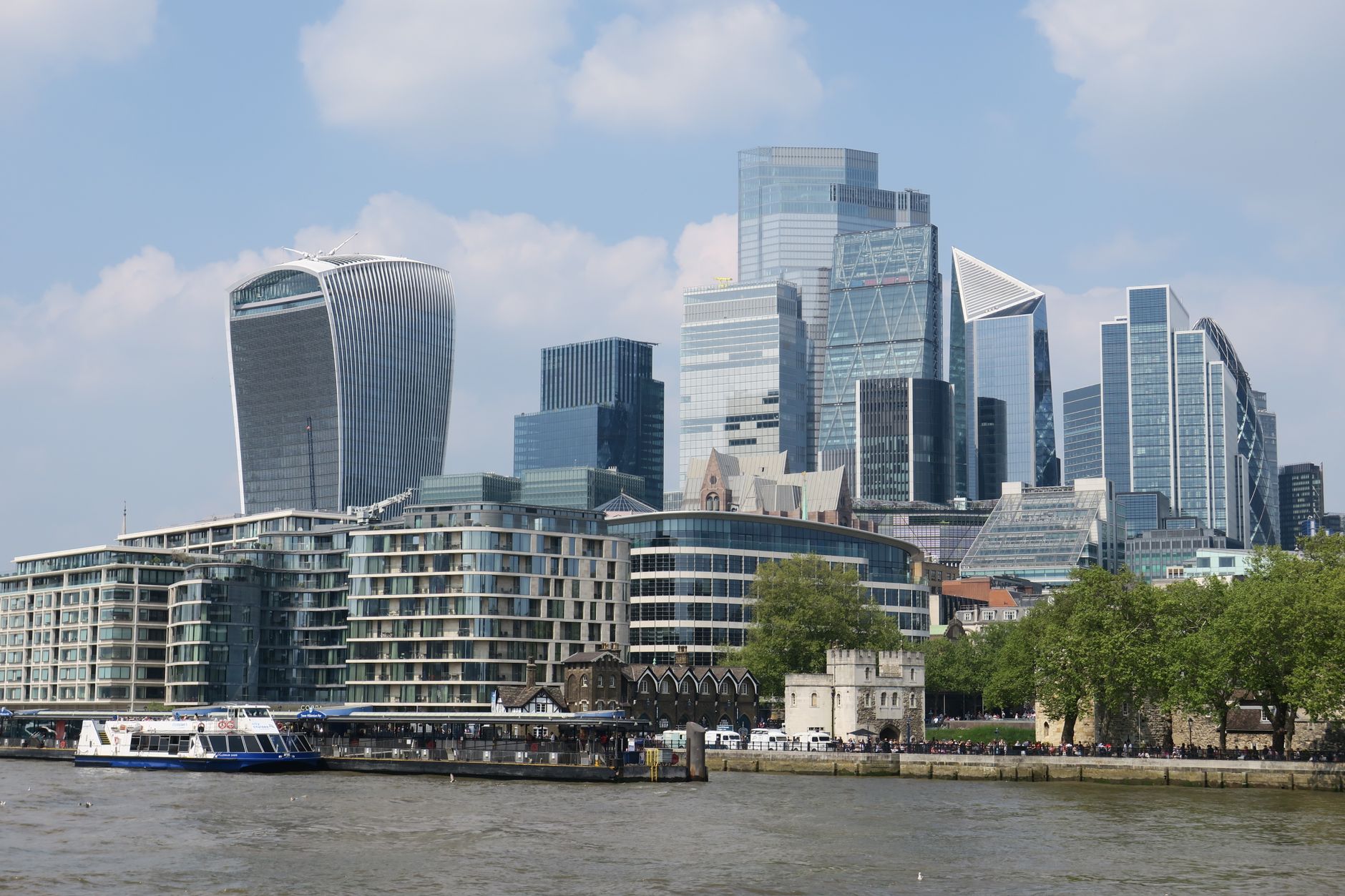
For Londoners — a city that has always prided itself on its cosmopolitan, live-and-let-live ethos — this is a particularly uncomfortable reckoning. London has long been the place where difference is supposedly the point. Forty-plus percent of residents born outside the UK. Hundreds of languages spoken. Every conceivable political opinion packed into a single Tube carriage. And yet the same fractures tearing through the national conversation are carving their way through the capital too, only here they’re sharper, louder, and considerably more complicated. Understanding what’s driving this — and what it actually means for the way Londoners live day to day — has never been more important.
How Divided Is Britain, Really? The Numbers Tell a Bleak Story
The study, which surveyed over 10,000 adults across England, Scotland, Wales and Northern Ireland, found that the sense of social division has reached its highest recorded level since systematic tracking began in the early 2010s. That’s not a marginal uptick. It’s a structural shift in how British people perceive each other.
Breaking it down reveals the fault lines most clearly:
| Division Type | % Who Feel It Has Worsened in 5 Years | % Who Feel It Personally Affects Them |
|---|---|---|
| Political/ideological | 81% | 67% |
| Generational | 74% | 58% |
| Class | 69% | 61% |
| Racial/ethnic | 63% | 49% |
| Gender/identity | 61% | 44% |
| Regional (North/South) | 57% | 38% |
Those are not figures you can dismiss. Political division tops the list — hardly a shock given the Brexit years effectively weaponised identity politics in Britain and handed culture war framings a permanent platform in mainstream discourse. But the generational split at 74% is the one that catches the eye in 2025. Under-35s and over-55s increasingly live in what researchers are calling “parallel information ecosystems” — consuming different media, holding divergent values on everything from gender to housing to the monarchy, and, critically, trusting different institutions.
Class division at 69% is the sleeper issue. While the culture war tends to dominate headlines with its arguments about statues and pronouns and whether it’s acceptable to eat meat, the quieter, grinding reality of class resentment is doing as much damage. Cost of living pressures have hardened attitudes. People who feel economically squeezed are, unsurprisingly, angrier — and that anger needs somewhere to go.
What Is Actually Fuelling This Right Now
The study doesn’t exist in a vacuum. It lands at a moment when several specific flashpoints are actively driving the sense of fracture in Britain’s social fabric. This isn’t abstract. These are live arguments happening in real time.
- The trans rights debate has become arguably the most toxic single issue in British public discourse, with the Supreme Court’s April 2025 ruling on the legal definition of ‘woman’ reigniting furious arguments across every platform and institution. Schools, workplaces, political parties — none have escaped it.
- Immigration and asylum policy continues to dominate political conversation despite Labour’s 2024 election victory. Net migration figures, the Rwanda scheme’s collapse, small boat crossings — these remain live embers that any news cycle can fan into flames.
- Free speech on campuses — the argument about who gets to speak where, and who gets to decide — has moved well beyond universities and into mainstream employment, with disciplinary cases at major London employers making headlines.
- The cost of living crisis has given economic resentment a cultural expression. Debates about avocado toast and London property prices are no longer jokes. They’re proxies for genuine class rage.
- Populist political movements on both left and right have found larger audiences post-2024, with Reform UK’s breakthrough in last year’s local elections and a resurgent hard left both amplifying grievance politics.
- Social media algorithms are doing what they were designed to do: maximise engagement, which means maximising outrage. The platforms haven’t changed. They’ve just got better at what they always did.
- Post-pandemic social rewiring hasn’t fully resolved. People emerged from lockdown with altered social tolerances, strengthened in-group loyalties and heightened suspicion of out-groups.
None of these issues exists in isolation. They feed each other. They’re mutually reinforcing. A person anxious about immigration is more susceptible to culture war framings about identity. A young person locked out of housing is more likely to see older generations as the enemy. The study’s researchers describe this as “grievance stacking” — multiple legitimate anxieties compounding into a generalised sense that society is broken.
The Key Voices, Places and Platforms Driving the Divide
Think Tanks and Research Institutions
The study itself comes from a growing ecosystem of organisations trying to measure and understand social cohesion — or its absence. The Policy Institute at King’s College London has been tracking polarisation metrics for years. More London Lives, Demos, the More In Common initiative — these are the organisations producing the data that politicians selectively quote and journalists selectively cite. Their consistent finding: the UK is not as polarised in its actual views as it appears in its political discourse, but it is becoming increasingly polarised in its *perception* of that polarisation. Which is, in many ways, just as dangerous.
Media Ecosystems
You cannot talk about culture war without talking about where it lives. GB News, launched in 2021 with all the production values of a Zoom call, has found a genuine audience — 1.5 million viewers at its peak — specifically for grievance-driven political content. It didn’t create the appetite. But it fed it and gave it a home. On the other side, outlets like The Guardian and the BBC are routinely accused by a significant slice of the population of liberal bias, a perception that has hardened into a kind of article of faith for much of Reform UK’s voter base. The media landscape isn’t just reporting the culture war. It’s a battlefield in it.
London Specifically: The Capital as Microcosm
There’s a persistent, maddening irony in London’s relationship with national division. The city votes Labour by extraordinary margins — 73 seats out of 75 in the 2024 general election — and is overwhelmingly pro-diversity, pro-immigration and socially liberal by every metric. And yet within London, the divisions are intense and sometimes visceral. Tower Hamlets and Kensington are not just geographically different places. They inhabit different material realities. The arguments that play out in national culture war terms — about housing, about who belongs, about whose values get prioritised — are lived as daily experience in parts of Hackney, Newham, and Barking in ways that media commentary rarely captures accurately.
Specific London Institutions Under Pressure
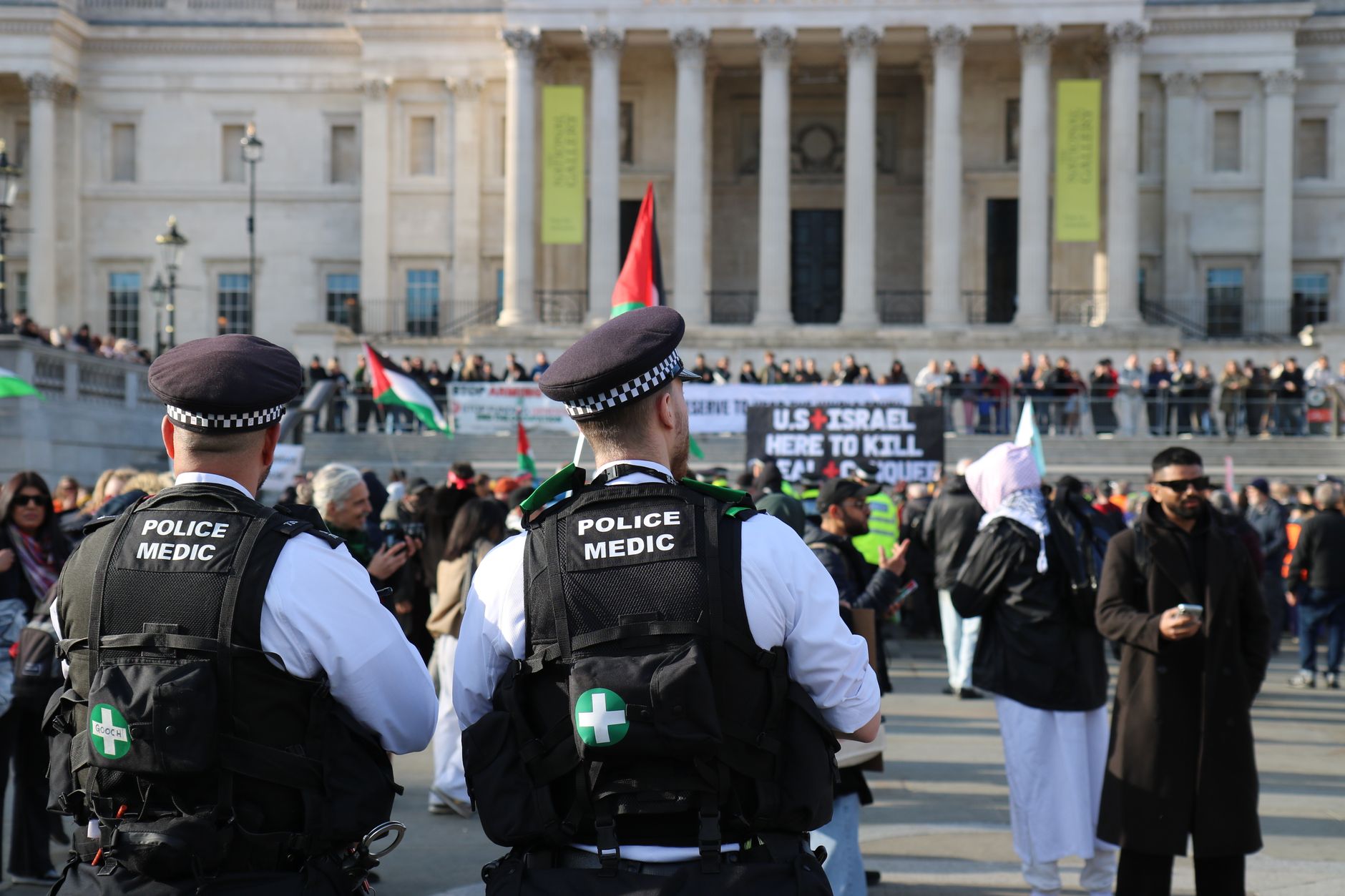
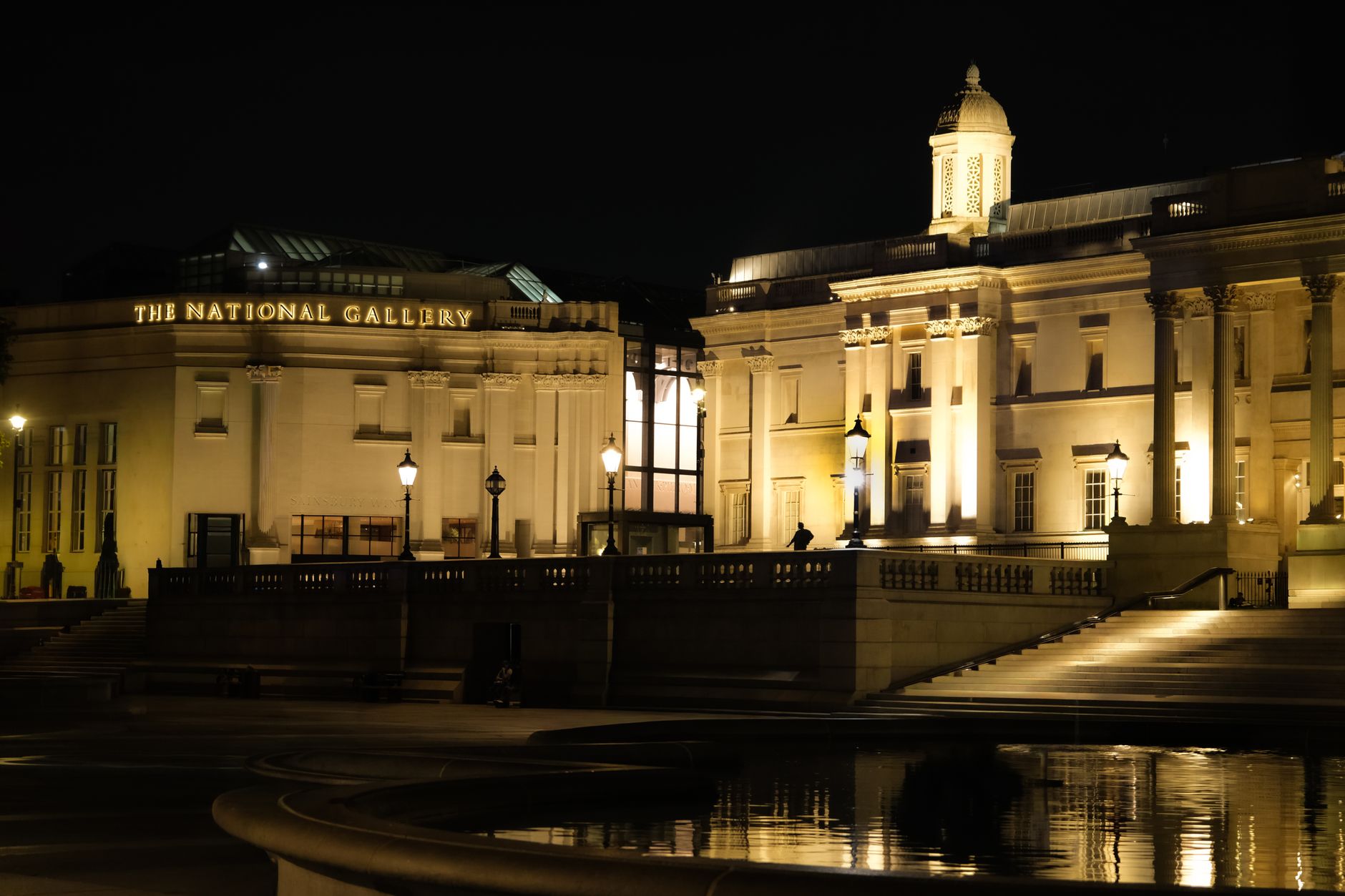
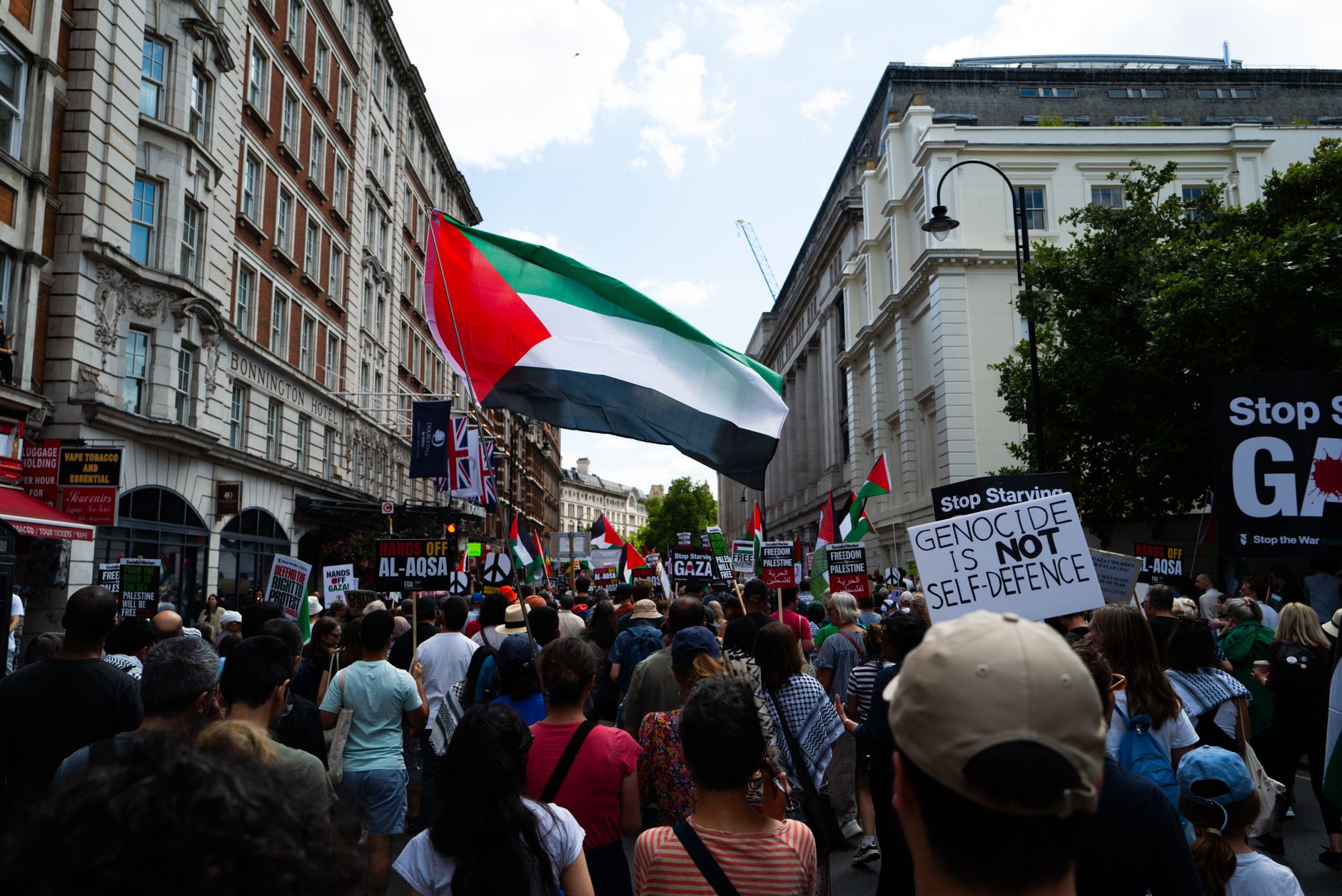
The Mayor’s office, Transport for London, the Metropolitan Police, the NHS trusts serving London — all have found themselves dragged into culture war arguments in recent years. Sadiq Khan’s ULEZ expansion became a referendum-by-proxy on green policy and class. The Met’s handling of protests — from Black Lives Matter in 2020 through to the Palestine demonstrations of 2024-25 — has been scrutinised through a culture war lens by both sides simultaneously. Even the British Museum and the National Gallery have found themselves in the middle of debates about restitution and representation that would have been confined to academic journals fifteen years ago.
Is the Culture War Actually Making Us More Divided, or Just Louder About It?
Here’s the question the study raises but doesn’t fully answer: are people’s actual beliefs diverging, or are the same old British disagreements just being performed more aggressively?
The honest answer is: probably both, and the distinction matters less than it used to. Here’s why.
- Perceived polarisation becomes actual polarisation. If you believe the other side is extreme, you moderate your behaviour around them less. You’re less likely to employ them, befriend them, hear them out. The belief shapes reality.
- The Overton window has genuinely shifted. Views that were fringe in 2010 — on both left and right — are now held and expressed by cabinet ministers, union leaders, and prominent journalists. That’s not just noise.
- Trust in institutions is historically low. Only 35% of British people say they trust the government, according to the Edelman Trust Barometer 2025. When shared institutions lose credibility, shared reality becomes harder to maintain.
- Social sorting is intensifying. People are increasingly living near, working with and forming relationships with people who share their values. The mixing that once made Britain’s cities engines of social cohesion is reducing.
- Online identity is hardening offline behaviour. The positions people stake out publicly on social media create psychological commitments that are then defended against new evidence.
Yet there’s a counterargument worth taking seriously. More In Common’s research consistently finds that the “exhausted majority” — people who are tired of the shouting and don’t identify with either extreme — is large, perhaps as much as 52% of the population. Most British people, when asked, hold nuanced, sometimes contradictory views. They want strong borders and a compassionate asylum system. They support trans rights broadly but have questions about specific policies. They are neither the woke mob nor the gammon brigade of caricature.
The culture war, in other words, may be more visible than it is dominant. But visibility has consequences. When you can’t avoid the shrieking, it starts to feel like the whole country.
| Public Attitude | % Agree | % Disagree | % Unsure |
|---|---|---|---|
| “I have friends whose political views are very different from mine” | 61% | 27% | 12% |
| “I avoid discussing politics to keep the peace” | 58% | 33% | 9% |
| “Social media makes division worse” | 79% | 11% | 10% |
| “The media exaggerates how divided we are” | 44% | 38% | 18% |
| “I feel I can’t say what I think without being judged” | 52% | 35% | 13% |
That last figure — 52% feeling unable to say what they think — is perhaps the most telling of all. Self-censorship at scale is not a healthy social condition. It means the actual views circulating in British society are being suppressed in public while intensifying in private. That’s not a recipe for working things out. It’s a pressure cooker.
What This Means for Londoners Day to Day
Abstract statistics only go so far. The real question is what a record-breaking sense of national division actually means for the 9 million people living in this specific city, navigating its specific pressures.
- In the workplace: HR departments across London are increasingly fielding complaints about culture war clashes — over gender identity policies, over political expression, over what counts as acceptable speech in a professional context. This is not theoretical. Employment tribunals involving ideological conflict have risen measurably since 2021.
- In schools: London’s teachers are navigating parents with fiercely opposing views on what should be taught, how it should be taught, and which values the school is implicitly endorsing. The debates about RSE (Relationships and Sex Education) in particular have been explosive in several London boroughs.
- In friendships and families: The study found that 38% of respondents had experienced a significant falling-out with a friend or family member over political or social views in the past three years. In London, where social circles tend to be more politically homogeneous than people admit, the ruptures often happen at the edges — with the one cousin who votes differently, the old school friend who went down a different ideological path.
- In public space: The right to protest, the policing of that right, and the competing claims about whose protests receive sympathetic coverage have made London’s streets feel increasingly like contested territory rather than shared civic space.
- Online, where many Londoners’ social lives now significantly exist: The algorithms are not neutral. They are specifically designed to show you content that provokes a strong emotional reaction, and strong emotional reactions in the culture war space are almost always negative.
| London Borough | Key Culture War Flashpoint | Dominant Political Mood |
|---|---|---|
| Tower Hamlets | Gaza protests, mayoral politics, community cohesion | Contested/Independent |
| Barking & Dagenham | Immigration, housing, Reform UK vote share | Working-class Labour/Reform swing |
| Westminster | Free speech, protest policing, political theatre | Central battleground |
| Hackney | Gentrification, identity politics, housing | Progressive Labour |
| Bromley | ULEZ, net zero, suburban grievance | Conservative-leaning |
| Newham | Racial equity, policing, cost of living | Diverse Labour |
The temptation, faced with all of this, is to retreat — into your neighbourhood, your social circle, your chosen media diet. And that’s precisely what the research shows people are doing. The withdrawal is understandable. It’s also self-defeating. Every retreat from mixed civic life makes the next conversation harder, the next disagreement more combustible.
London has survived worse fractures than this — the riots of 1981, the post-7/7 atmosphere, the immediate aftermath of Brexit. But surviving isn’t the same as thriving. The study’s most sobering finding isn’t the headline number about division reaching a new high. It’s the quieter data point that only 29% of British people believe the divisions will narrow in the next five years. That’s a society that has largely stopped believing reconciliation is possible — and that kind of collective pessimism has a way of becoming a self-fulfilling prophecy.
So here’s the question worth sitting with: in a city that has always defined itself by its capacity to contain multitudes, what are we actually prepared to do to keep that promise alive?


Leave a Reply