
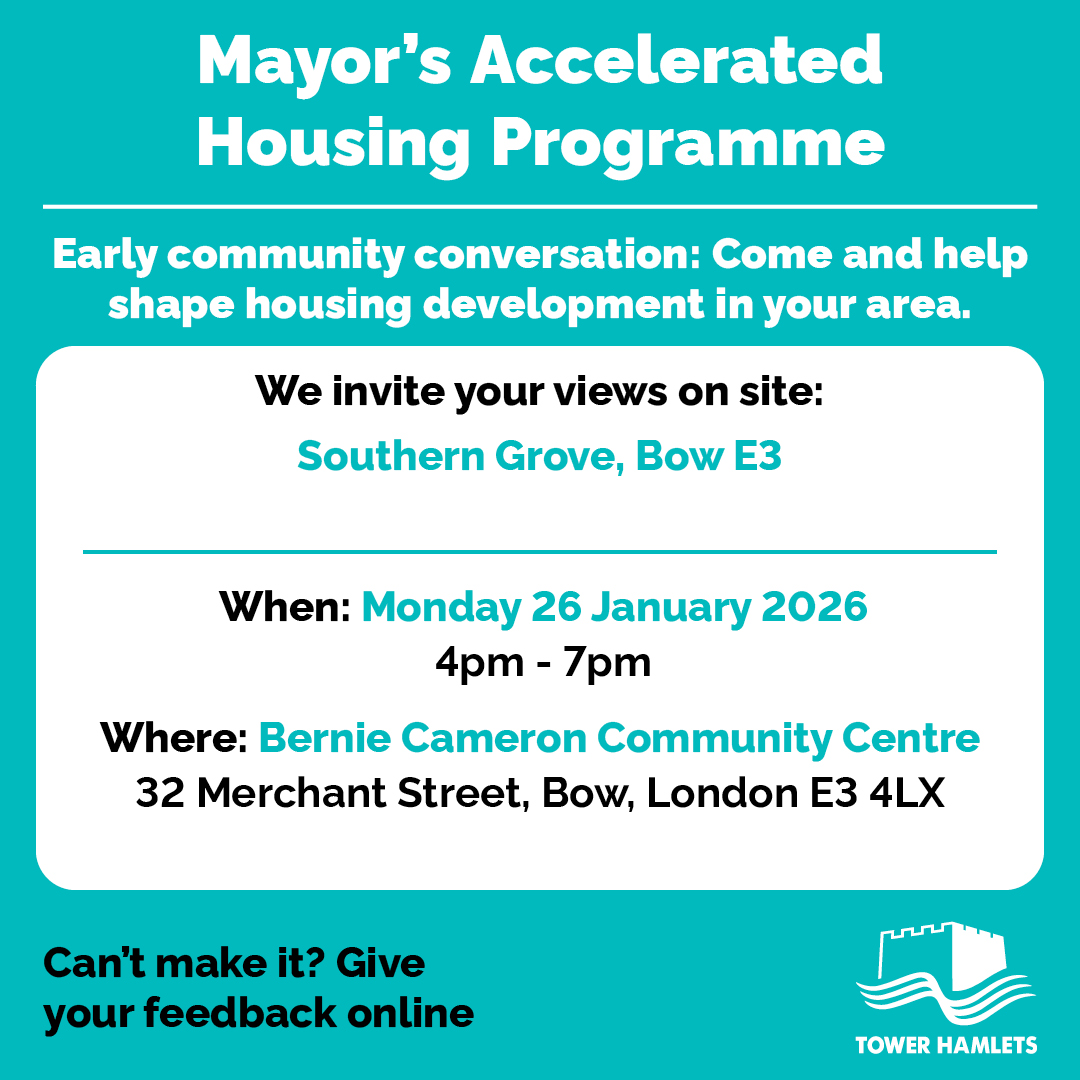
The upcoming Community Conversations regarding the Mayor’s Accelerated Housing Programme present a vital opportunity for local residents and stakeholders in Bethnal Green and Hackney. Scheduled for March 2nd and 7th at St Hilda’s East Community Centre, these discussions aim to gather views on the programme’s impact on specific areas, namely the Bethnal Green PDC and Strout’s Place/Hackney Road. As the city grapples with ongoing housing challenges, understanding the implications of these developments becomes paramount.
The dialogue revolves around pressing concerns in London’s housing crisis while maintaining transparency and encouraging community engagement. The Accelerated Housing Programme reflects the city’s efforts to expedite new housing developments while addressing diverse community needs. This significant initiative warrants a comprehensive analysis of its broader context, implications, and potential outcomes.
Context and Industry Background
The housing landscape in London has emerged as a critical area of focus, particularly as population growth, economic pressures, and housing shortfalls intersect. Significant changes in policy and shift in market dynamics necessitate a detailed understanding of housing strategies. For a deeper dive into recent economic trends in the area, check out our post on Business in London & the UK – Urban Economy & Trends.
Local government bodies have proposed varied approaches aimed at mitigating the housing crisis. The Mayor’s Accelerated Housing Programme represents a proactive strategy to address growing concerns, focusing on increasing housing stock more rapidly than traditional timelines allow. This initiative aims to not only provide homes but to also ensure that these developments align with community needs and sustainability goals.
Insights from Executive-Level Stakeholders
Insights from city officials and industry stakeholders provide a lens through which we can analyze the intentions and expected outcomes of the Accelerated Housing Programme. Insights on regulatory frameworks can also be found in our article, Understanding Regulatory and Market Dynamics.
The programme is designed to foster partnerships between the public and private sectors, increasing both investment in residential projects and accountability to community needs. Executives emphasize the necessity of integrating community feedback into housing projects to ensure they are not only financially viable but also socially responsible.
A Comprehensive Comparison of Housing Developments
A structured comparison of the housing developments in question can elucidate their distinctive characteristics and overarching trends. The following table illustrates key features of the Bethnal Green PDC and Strout’s Place/Hackney Road projects, highlighting critical parameters such as housing type, size, and projected completion timelines.
| Development Location | Housing Type | Number of Units | Completion Timeline | Community Amenities |
|---|---|---|---|---|
| Bethnal Green PDC | Mixed-Use Residential | 250 | 2027 | Parks, Retail Spaces, Community Centre |
| Strout’s Place/Hackney Road | Affordable Housing | 200 | 2026 | Public Transport Links, Schools |
This comparison underscores the diverse approaches to addressing housing shortages in these regions, balancing different types of habitation while seeking to enrich community offerings.
In-Depth Analysis of Housing Development Strategies
Delving into the methodologies employed by the Mayor’s office reveals a multifaceted strategy aiming to balance speed, affordability, and livability in housing developments. To understand the broader implications of housing policies, you can also explore our coverage on London & UK Politics – City and National Affairs.
One striking feature of the Accelerated Housing Programme involves prioritizing mixed-use developments. Such projects not only provide housing but also include commercial and recreational spaces, thereby creating vibrant communities. This dual focus aims to promote not just residential occupancy but also economic activity and social interaction.
In addition, the government’s emphasis on collaboration with private developers has led to innovative financing models that seek to maximize available resources. Public-private partnerships are pivotal in ensuring that financial backing aligns with community objectives, rather than mere profit motives.
Evaluating Methodology: How Data Drives Decision-Making
To evaluate the effectiveness of the Accelerated Housing Programme, a structured methodology is crucial. By employing both quantitative and qualitative data collection methods, stakeholders can gauge the community’s reception, assess project success, and identify areas for improvement.
Quantitative assessments may include tracking metrics such as completion rates, occupancy levels, and demographic shifts, while qualitative surveys gather community sentiments regarding proposed developments. These insights collectively inform future decision-making, enabling a responsive approach to housing needs.
Understanding Regulatory and Market Dynamics
The interplay of regulatory frameworks and market conditions significantly influences housing development in London. Policies enacted by the Greater London Authority (GLA) and local councils play a critical role in shaping the landscape. The current regulatory context encourages affordable housing production, thereby necessitating compliance with specific guidelines and standards.
Market conditions, including interest rates, construction costs, and demographic trends, further shape development feasibility. A thorough examination of these factors is imperative to contextualize the Accelerated Housing Programme within the larger housing market.
Framework for Practical Decision-Making
A structured decision-making framework can aid community members in contributing effectively to the conversations surrounding the Accelerated Housing Programme.
- Assessment of Needs: Identify community needs through surveys and public consultations.
- Evaluation of Proposals: Analyze housing proposals based on affordability, aesthetic integration, and environmental sustainability.
- Feedback Mechanisms: Establish platforms for ongoing community input, ensuring transparency and responsiveness.
- Monitoring Outcomes: Implement a system to track project impacts post-completion, facilitating adjustment based on real-world outcomes.
By adhering to this framework, community engagement becomes a more structured and fruitful endeavor.
Identifying Risks and Navigating Challenges
While the Accelerated Housing Programme aims to address housing shortages, it is essential to acknowledge inherent risks and challenges that might arise.
- Quality Concerns: Rapid development could compromise construction quality, necessitating stringent oversight mechanisms.
- Community Resistance: Some local residents may resist new developments, fearing loss of neighborhood character or increased congestion.
- Funding Fluctuations: Variability in funding sources could stall projects or compromise intended community benefits.
Recognizing these risks is vital for stakeholders seeking to balance expediency with community integrity.
Building Trust through Community Engagement
Establishing trust is paramount for the success of any community initiative. The lenses of transparency and accountability must be integrated into the discussions surrounding the Accelerated Housing Programme.
Community forums, like the upcoming conversations on 2nd and 7th March, play a crucial role in fostering trust. It is imperative that local government officials not only listen but actively respond to community concerns raised during these gatherings. This participatory approach promotes a sense of ownership among the residents and ensures that developments serve communal interests.
Engaging local organizations and advocacy groups can further enhance trust by providing diverse perspectives and facilitating open dialogues. The transparent sharing of data and decision-making processes ultimately strengthens community relationships.
In conclusion, the forthcoming Community Conversations represent a significant opportunity for Bethnal Green and Hackney residents to voice their concerns and insights regarding the Mayor’s Accelerated Housing Programme. By examining the implications, strategy, and community engagement practices, stakeholders can contribute meaningfully to the ongoing discussion about housing in London. Through mutual understanding and cooperation, the objective of creating more sustainable and inclusive communities can be realized.















Leave a Reply