
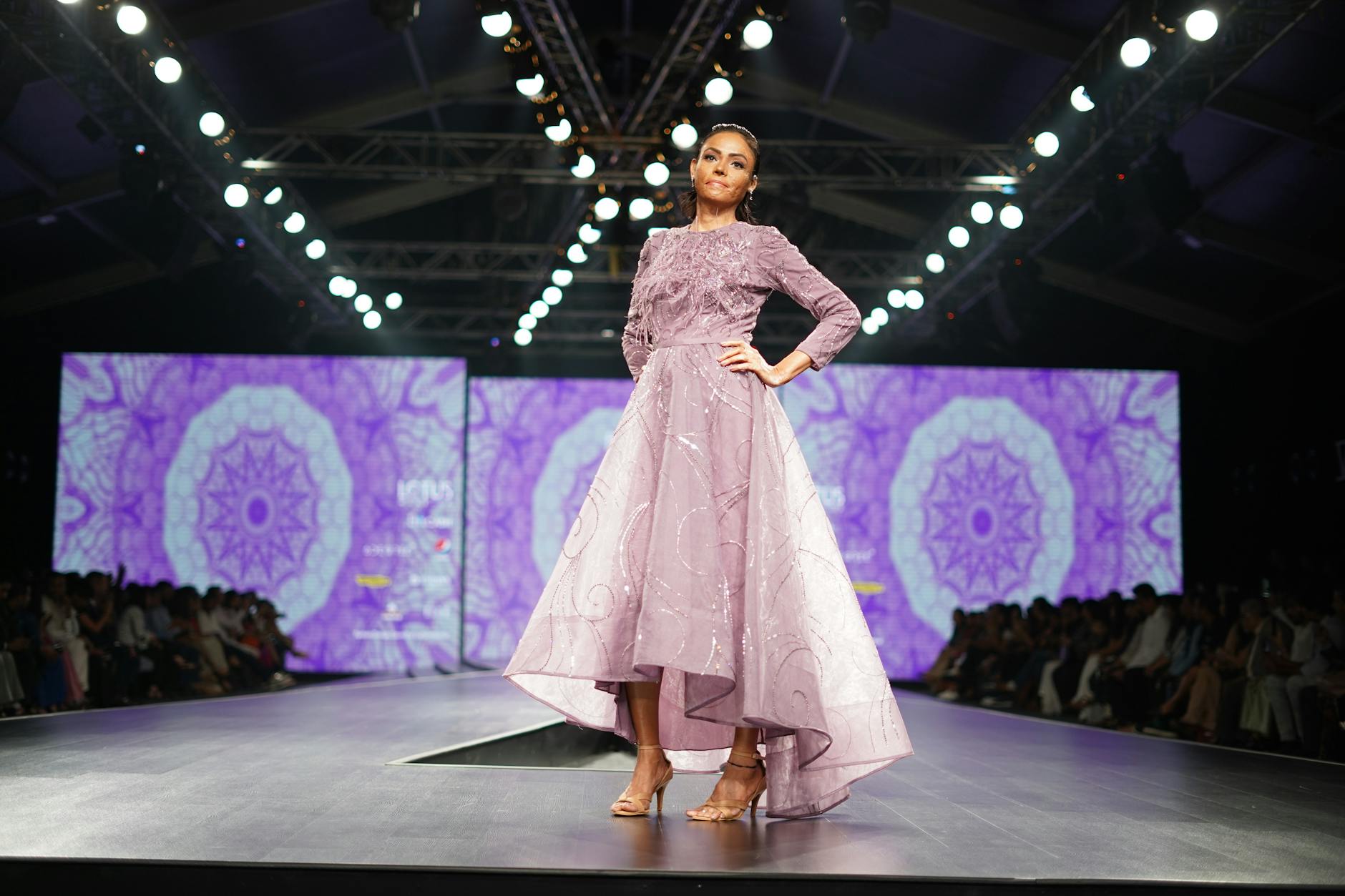
Low-rise jeans are back. Let that sink in. After two blissful decades of high-waisted everything, the silhouette that launched a thousand muffin-top anxieties has returned to London Fashion Week runways with the confidence of someone who genuinely thinks they never left. And the thing is? This time, it actually looks good.
London Fashion Week’s February 2025 shows didn’t just nod to the noughties — they practically body-slammed us into a Topshop fitting room circa 2003. Designers across the schedule, from JW Anderson at the Tate Modern to Simone Rocha at the Royal Academy, wove noughties references so deliberately into their collections that calling it “nostalgia” feels reductive. This is a full cultural re-examination of an era that fashion once dismissed as tacky. The stakes for Londoners are real: what you wear on the Central line in 2025 is increasingly a statement about how you feel about the city’s own complicated, chaotic, brilliant past. For those who want to stay across the wider world of London lifestyle, this shift in fashion culture matters far beyond just what’s hanging in the shops.
From Y2K to Right Now: How Noughties Fashion Fell and Rose Again
Fashion has always eaten its own tail — but the speed of this particular revival is striking. The noughties were declared dead somewhere around 2012, when the industry collectively agreed that low-rise denim, velour tracksuits, and rhinestone everything had been a collective delusion. High fashion spent the 2010s atoning for the excess: clean Scandi lines, normcore, the tyranny of the capsule wardrobe. Then came Y2K nostalgia on TikTok, the Bella Hadid effect, and suddenly Juicy Couture was selling out again.
But what’s happening at London Fashion Week right now is categorically different from teenagers buying Von Dutch caps at Depop. This is the industry’s top-tier designers taking the noughties seriously as a design vocabulary — deconstructing it, elevating it, arguing for its relevance. The timeline matters.
| Era | Dominant Noughties Reference | How Fashion Treated It | Cultural Mood |
|---|---|---|---|
| 2010–2015 | Low-rise denim, logomania | Actively mocked, rejected | Post-recession austerity chic |
| 2016–2019 | Butterfly clips, mini bags | Ironic micro-trend interest | Nostalgia as coping mechanism |
| 2020–2022 | Velour tracksuits, rhinestones | TikTok-driven Y2K explosion | Pandemic escapism |
| 2023–2024 | Denim skirts, halternecks | High street mass adoption | Millennial reclamation |
| 2025 (LFW) | Full noughties aesthetic | Designer-level rehabilitation | Post-ironic sincerity |
What that table tells you is that we’ve moved through the grief stages of noughties fashion faster than anyone predicted. We’ve gone from mockery to irony to sincerity in roughly a decade — a cycle that previously took 30 years with the seventies revival of the nineties. The internet compressed everything, and London Fashion Week 2025 is where that compression reaches its logical conclusion.
What’s Actually Happening on London’s Runways Right Now
The February 2025 shows delivered noughties references so thick on the ground that a few standouts demand to be named directly. This wasn’t subtle. This wasn’t “noughties-adjacent.” Designers came loaded.
- JW Anderson sent models down the runway in dangerously low-slung trousers paired with cropped knitwear, directly referencing the hip-bone-grazing aesthetic that defined 2002–2006, but cut in luxury fabrics that make the whole thing feel considered rather than desperate
- Simone Rocha revived embellished denim — think rhinestone-studded jeans and beaded bag straps — channelling peak Cavalli excess but filtered through her signature dark romanticism
- Burberry leaned hard into its own noughties heritage, bringing back the iconic check in new colourways and positioning it not as throwback kitsch but as the house’s origin story
- Nensi Dojaka showed asymmetric mesh and micro-silhouettes that owe an obvious debt to the bare-it-all dressing of the Paris Hilton era, reframed as bodily autonomy rather than male-gaze dressing
- Poster Girl, one of London’s most exciting younger labels, built an entire collection around Y2K party dressing: holographic fabrics, cut-out bodycon, the kind of going-out outfits that look like they were designed for a Ministry of Sound night that’s actually good
- Harris Reed brought back maximalism with theatrical proportions reminiscent of the red-carpet excess of noughties awards seasons, the sort of looks that would have been at home on the BRIT Awards stage in 2004
- Richard Quinn offered full-on logomania — repeating prints and heavy branding across outerwear — that explicitly references the era when Fendi baguettes and LV monograms were the whole personality
The through-line across all of these isn’t just aesthetic similarity. It’s intent. Every one of these designers made an active choice to look backward, and they all found something worth reclaiming.
The Key Players, Labels, and London Locations Driving the Revival
JW Anderson: The Intellectual Anchor
Jonathan Anderson has become the most important British designer alive for a reason: he doesn’t do anything without thinking it through seven times first. His noughties references aren’t nostalgia — they’re critique. The low-rise trousers in his February 2025 show weren’t just low-rise; they were cut to sit at a precise angle that references the original silhouette while correcting its proportional awkwardness. It’s the difference between sampling a song and actually understanding music theory. Anderson showed at the Tate Modern, which itself feels significant — putting fashion in conversation with contemporary art in a building that sits on the South Bank, one of London’s most charged cultural addresses.
Burberry: Owning the Archive
There’s a particular irony to Burberry’s noughties revival. The check that’s now being celebrated as a heritage motif was, in the mid-noughties, synonymous with the “chav” panic that gripped British tabloids and led Burberry itself to quietly withdraw the pattern from many products. The check got associated with football terraces and Eastenders rather than Knightsbridge, and the brand spent years trying to forget it. Now Daniel Lee’s Burberry is reclaiming that entire chapter — democratised branding, street culture associations and all — and presenting it as strength rather than embarrassment. That’s a genuinely brave move. The shows at Tate Britain earlier this season made the case viscerally.
Simone Rocha: Femininity Without Apology
Rocha’s embellished denim and rhinestone accessories speak to something specific about the noughties that often gets lost in the conversation: that era was, despite everything, a period of extraordinarily expressive female dressing. Yes, there was problematic thin-ideal culture baked into every magazine. But there was also an exuberance about getting dressed — a willingness to wear the rhinestones, do the elaborate updos, spend three hours getting ready for a night at Fabric — that subsequent decades of studied minimalism actively suppressed. Rocha, who shows at the Royal Academy, has always understood that femininity is a serious subject.
Poster Girl: The East London Engine Room
Founded by Francesca Capper and Natasha Somerville in 2018 out of East London, Poster Girl has become the label that best captures what it feels like to be young and going out in London right now. Their noughties party dressing isn’t retrospective — it feels live, urgent, genuinely fun. Their shows draw crowds that span Hackney gallery types and Mayfair fashion editors, which is exactly the London mix that produces something real rather than manufactured. Finding their pieces at their Shoreditch stockists feels like being in on something.
Central Saint Martins: The Education Behind the Revival
None of this happens without mentioning the institution at 1 Granary Square, King’s Cross. Central Saint Martins has been running noughties-focused retrospective programming for the past two academic years, encouraging students to treat that decade as seriously as the eighties or the swinging sixties. When the industry’s next generation is being educated to look at Helmut Lang’s 2001 collection with the same rigour as Balenciaga’s 1950s output, it shapes what appears on professional runways within five to seven years. We’re now in that window.
Is This Actually Different — Or Just Shops Selling Us Our Own Past?
Here’s the question worth asking seriously: is London Fashion Week’s noughties revival a genuine creative movement, or is it the industry doing what it always does — packaging nostalgia as innovation and billing it at full price? The answer is uncomfortable, because it’s both.
The cynical reading is hard to dismiss. Fashion operates on a roughly 20-year cycle because that’s when consumers who lived through a trend are old enough to buy expensive versions of it. Millennials who were teenagers in 2003 are now in their mid-to-late thirties, with disposable income and the warm glow of nostalgia making them particularly susceptible to buying a £400 version of something they once got at Oxford Street Topshop for £25. The economics are clean.
- The noughties trend revival reportedly drove a 34% increase in searches for low-rise denim on ASOS in the 12 months to January 2025
- Burberry’s check products saw a significant sales uplift in the UK market following Daniel Lee’s first full year at the house
- Depop reported rhinestone accessories as one of its fastest-growing search categories in late 2024, with London users driving the majority of sales
- Juicy Couture’s UK licensing revival generated substantial press coverage but minimal critical fashion engagement — indicating a split between mass-market and designer-level reception of the trend
- Vintage shops on Portobello Road and in Spitalfields have raised prices on noughties pieces by an estimated 40–60% since 2023, according to sellers spoken to informally
But the more generous — and ultimately more accurate — reading is that something genuinely interesting is happening at the designer level. The best work shown at London Fashion Week in February 2025 didn’t just reproduce noughties aesthetics; it interrogated them. Why did we dress that way? What did those clothes mean about the culture that produced them? What’s worth keeping, and what should we consciously leave behind? JW Anderson’s corrected low-rise trouser silhouette is a design argument. Simone Rocha’s reclaimed embellishment is a feminist argument. These aren’t arguments you can make at Primark.
The London fashion scene has always been best when it refuses to be comfortable. Paris does luxury; Milan does craft; New York does commerce. London does chaos, contradiction, and genuine intellectual provocation. The noughties revival, at its best, is very London: messy, knowing, funny about itself, and secretly quite serious.
What This Actually Means If You Live in London
Theory is one thing. But if you’re standing in front of your wardrobe on a Tuesday morning trying to get to Waterloo by 8:15, what does any of this actually mean for how you dress?
The honest answer: more than most fashion trends, this one has genuine street-level traction. Walk through Shoreditch on a Friday evening, or along Portobello on a Saturday, and the noughties references are already everywhere — not as costume, but as integrated personal style. Low-rise jeans worn with a structured blazer. Rhinestone jewellery with an otherwise minimal outfit. The Burberry check scarf that someone’s grandmother bought in 2001 and which has been sitting in a wardrobe ever since, suddenly relevant again.
- Buy into now: Low-rise tailored trousers (not jeans yet — trousers is how you do it with authority), rhinestone hair accessories, structured mini bags, denim skirts below the knee
- Approach with caution: Velour tracksuits (fine if you’re genuinely committed; uncomfortable if you’re ambivalent), visible logo branding (works at designer level; looks desperate at high street), butterfly clips over 30 (your call, no judgement, but know the room)
- Leave it: Genuine ultra-low-rise jeans with a visible waistband — the runway versions work because they’re cut differently; the high street reproductions have not cracked this yet
- Best London vintage sources: Rokit in Covent Garden for denim, Beyond Retro on Carnaby Street for accessories, the stalls at Brick Lane on Sunday mornings for genuine noughties pieces at pre-revival prices if you get there before 9am
| Noughties Trend | 2025 Interpretation | Where to Buy in London | Price Point | Verdict |
|---|---|---|---|---|
| Low-rise trousers | Tailored, structured, mid-low rise | JW Anderson, COS, & Other Stories | £80–£650 | Buy it — this one has legs |
| Rhinestone accessories | Single statement piece, not head-to-toe | Simone Rocha, Zara, Brick Lane vintage | £15–£300 | Absolutely yes — easy win |
| Burberry check | Scarf, bag, or coat — one piece max | Burberry Regent Street, vintage markets | £350–£2,000+ | Classic investment if budget allows |
| Velour tracksuit | Luxury fabric, monochrome, fitted | Juicy Couture revival, ASOS premium | £60–£250 | Committed yes or committed no |
| Logomania | Archive pieces, single logo item | Vestiaire Collective, Fendi, LV | £200–£3,000 | Designer only — high street kills it |
| Denim mini skirt | Mid-thigh, raw hem, worn with boots | Levi’s Carnaby, ASOS, Rokit | £35–£120 | Peak bang-for-buck trend item |
| Embellished denim | One embellished piece, rest minimal | Simone Rocha, Selfridges denim floor | £150–£800 | Strong if you can carry it |
The broader point is this: London’s fashion scene has always distinguished itself from every other global fashion capital by its relationship with the street. The gap between what appears on a JW Anderson runway and what someone’s actually wearing on the 38 bus to Islington has historically been smaller here than anywhere else. That’s because London designers pay attention to London people, and London people — particularly those navigating the city’s relentlessly evolving lifestyle — have never been passive consumers of fashion. They push back. They adapt. They wear the rhinestones ironically and then, three months later, completely sincerely.
The noughties revival at London Fashion Week 2025 is the industry finally catching up to what was already happening in Dalston and Peckham and Brixton. The designers who understood that first are the ones whose shows everyone actually wanted tickets to. The ones who missed it put out press releases about “timeless minimalism” that nobody read.
So here we are: 2025, and someone’s low-rise jeans are better than they’ve any right to be, Burberry wants its check back, and rhinestones are decorating things that have absolutely no business being rhinestoned. The noughties are back — and honestly, after the decade we’ve just had, who among us can honestly say we don’t deserve a bit of that era’s deranged optimism? Get to Brick Lane before the prices go up again.





Leave a Reply