
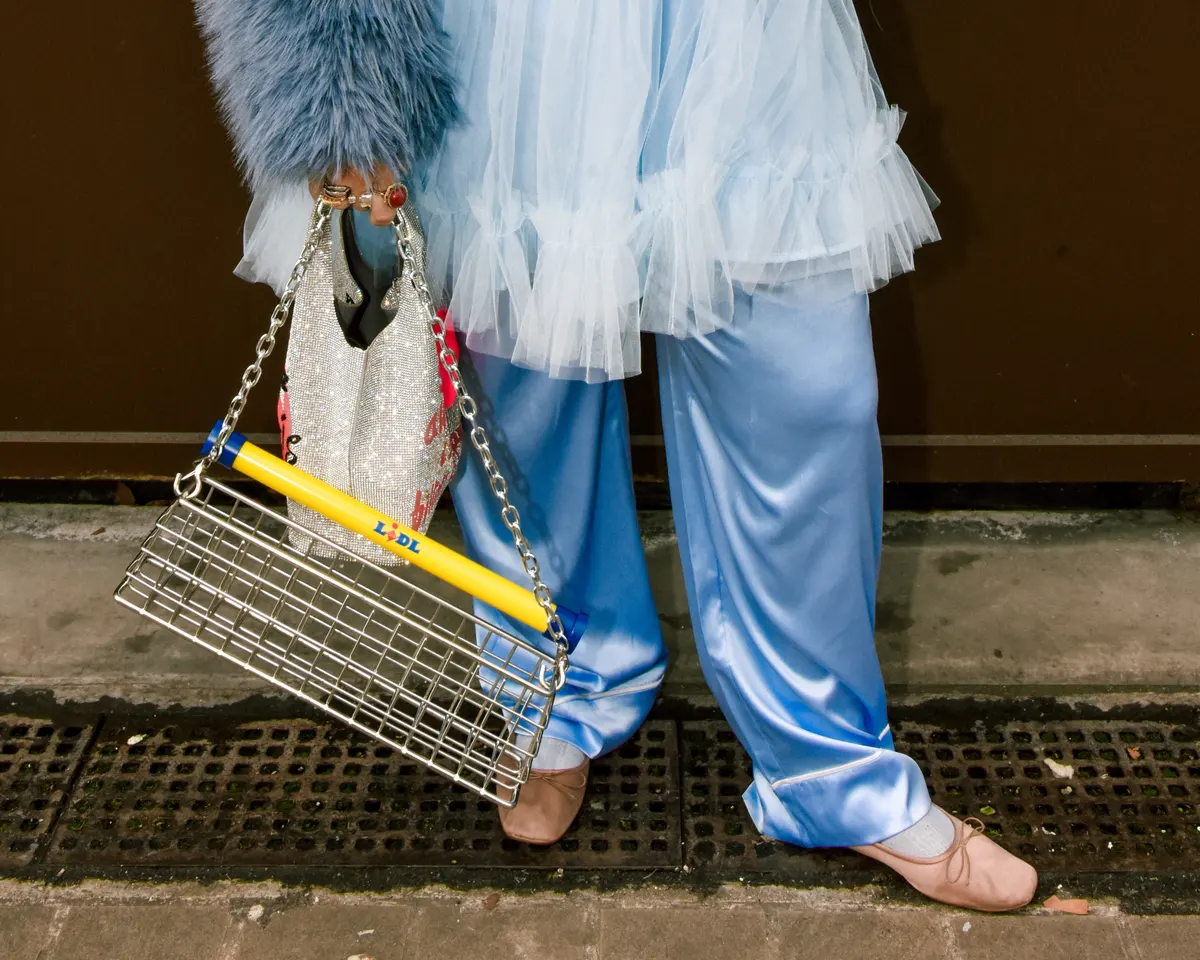
The essence of fashion often extends beyond the garments themselves, especially in the dynamic whirl of London Fashion Week (LFW). A focal point this year has been the street style that manifests outside the event venues. It reflects a vibrant tapestry of self-expression, social identity, and contemporary culture. Capturing moments on the streets, enthusiasts and casual observers alike have remarked on the exciting shift in tone: an atmosphere of playfulness, where seriousness takes a backseat. This edition of LFW, held in 2026, showcased not just the runway creations but also highlighted that the participants and onlookers alike were keen on amplifying individual style rather than adhering strictly to high-fashion norms.
Context and Industry Background
London, a historical epicenter of fashion innovation, has evolved significantly from its roots in tailored suits and haute couture. The past decade has ushered in a democratization of style, largely due to social media’s influence and the growing intersection of fashion with lifestyle and art. Street style has emerged not merely as a supportive narrative backdrop to high-fashion presentations but as a crucial factor driving trends, fostering individuality, and redefining modern aesthetics. You can learn more about the evolution of fashion here.
In recent years, observers have noted a transformative shift in LFW. The interplay between official presentations and street style continues to evolve. Designers, influencers, and street stylists converge here, creating a melting pot of ideas and expressions. In the landscape of 2026, participants are embracing a lighter, more humorous approach to fashion, shifting the overall tone from the previously narrow definitions of formality and seriousness.
Executive-Level Overview
As street style takes center stage, its impact on consumer culture and brand narratives cannot be overstated. The democratization of design favors casual, unconventional outfits, suggesting a growing collective resistance against elitism within the fashion sphere. This strategic pivot towards inclusivity highlights the need for brands to incorporate humor, creativity, and originality into their narratives, a theme resonant in London Lifestyle & UK Urban Trends.
Key themes observed this cycle include the prevalence of vibrant colors, unexpected accessories, and flamboyant layering. These elements not only signify personal expression but also challenge traditional aesthetics and commercialized fashion narratives. The relationship between designers and their audiences has thus transformed, signaling a shifting paradigm where individual styling becomes as relevant, if not more so, than traditional runway fare.
Structured Comparative Breakdown
To comprehend the broader implications of street style at LFW 2026, it’s essential to juxtapose it with previous years. The table below captures this comparative evolution, offering insights into the changing dynamics and emerging trends in street fashion.
| Year | Primary Themes | Key Influencers | Fashion Editors’ Reactions | Audience Engagement |
|---|---|---|---|---|
| 2023 | Minimalism and Elegance | Established Designers | Conservative | Moderate |
| 2024 | Texture and Layering | Rising Talents | Curious | Increasing |
| 2025 | Humor and Playfulness | Cross-Genre Collaborators | Supportive | High |
| 2026 | Bold Statements and Individuality | Street Influencers | Enthusiastic | Peak |
The transition from 2023 to 2026 indicates a clear departure from a focus on professionalism and minimalism to the avant-garde expressions witnessed this year. A vibrant pulsation of creativity intertwines with humor, signifying that audience engagement and acceptance are at an all-time high.
Delving Deeper into Street Style Trends
To grasp the cultural underpinnings of the trends noted at LFW, one must consider various facets of street fashion, which encompass style, color palettes, expression, and accessories. These elements not only shaped individual looks but also fostered community among diverse participants, akin to the sense of togetherness noted in London Walks & Local Places.
The Language of Colors in 2026
A pronounced aspect of this year’s street style was the bold and diverse color palettes. Knowledgeable insiders may interpret the color choices as both a reaction to the chaotic global environment and a celebration of individuality. Vivid hues were frequent, ranging from electric blues to fiery reds. This vibrance often coincided with an exuberance in fabric choices, where materials and textures clashed delightfully yet harmoniously.
Noteworthy is the semantic dialogue that colors initiate in fashion. Each hue carries connotations, and participants appeared keen to express liberation, humor, and rebellion through their choices. The prevalence of seemingly mismatched shades indicated that traditional sartorial rules were eschewed in favor of personal storytelling, which can be further explored in London & UK Culture.
Innovative Accessorizing Techniques
Accessories, often the unsung heroes of any outfit, played a pivotal role in defining street style this year. The conceptual understanding of “less is more” has been replaced with a more-is-more philosophy, demonstrating a shift in aesthetic appreciation.
Worn boldly are oversized bags, chunky footwear, and a mélange of jewelry that transcends conventional categorizations. This eclectic approach to accessorizing encourages participants to create statements not constrained by norms—rather, they embody the spirit of playful exploration, a concept echoed in discussions surrounding form lifestyle store.
With this evolving practice, brands are expected to reconsider their accessory planning and product lines, as the influx of creativity signals a ripe opportunity for collaboration and innovation.
Critical Examination of Methodology
The insights presented stem from a comprehensive review of visual documentation, interviews with design participants, and social media trend analyses. The investigative approach centered around a qualitative analysis of high-profile interactions among designers, stylists, and influencers during the event.
Moreover, the incorporation of user-generated content from various social platforms, including Instagram and TikTok, provided a holistic picture of real-time trends that emerged amidst the event. This fusion of methodologies allowed for an enriched understanding of the shifting paradigms in street style.
Market Dynamics Contextualizing Street Style
The relationship between street style at LFW and broader market sentiments requires attention. There is a clear correlation between consumer behavior, cultural shifts, and the influence of economic factors on fashion choices. The ongoing dialogues around sustainability, conscientious consumption, and authenticity have begun to encroach on how styles are created, worn, and perceived.
Brands dedicated to ethical practices are yielding popularity, suggesting an emerging automotive power to influence fashion cycles. Observing this movement within the landscape of LFW hints at the profound shifts occurring within the consumer fashion narrative, where authenticity reigns, a theme reflected in London & UK Finance.
Framework for Practical Decision-Making
For brands and participants in the fashion marketplace, establishing a framework that leverages the current trends in street style is essential. This includes recognizing the impact of humor and individuality—essentially redefining brand stories within an inclusive narrative.
A decision-making framework should encompass:
- Understanding target audience trends and preferences.
- Integrating street style insights into collections.
- Promoting authentic narratives that align with consumer values.
- Engaging with influencers who resonate with emerging consumer identities.
- Implementing feedback loops that assess public responses and preferences.
By adhering to these principles, brands can cultivate space for innovation and connectivity with broader audiences.
Assessing Risks, Limitations, and Trade-Offs
While the evolution of street style offers rich insights for industry players, potential pitfalls abound. The current trend toward informality may unintentionally alienate traditional consumers who favor established high-fashion aesthetics. Furthermore, rapid shifts in public sentiment require agility from brands that may struggle to balance artfulness with commercial viability.
Emerging designers will also face the risk of dilution if they attempt to mimic trends without capturing authentic narratives. The challenge remains: how to maintain originality amidst a marketplace increasingly driven by social media performances.
Commitment to Trust and Transparency
A continuous discourse on trust and transparency within fashion has become a hallmark of contemporary brand positioning. Market demand is inclined towards brands that demonstrate authenticity and ethical practices.
How brands position their involvement within street style can enhance public perception. Transparency spills into supply chains, ethical sourcing of materials, and a commitment to social responsibility, bolstering consumer trust. Maintaining a trust-oriented approach engages audiences seeking to support brands that uphold shared values.
The engaging interplay of street style with institutionalized fashion, alongside ongoing dialogues in consumer sentiment, underscores the diverse opportunities and challenges present at LFW 2026. The visual spectacle witnessed holds meaningful implications for understanding modern fashion dynamics, as a new generation steps boldly into the limelight.
Through thorough analysis and embracing evolving narratives, the fashion industry can foster an enriched dialogue around style, identity, and culture, fundamentally transforming the landscape of contemporary fashion.



Leave a Reply