
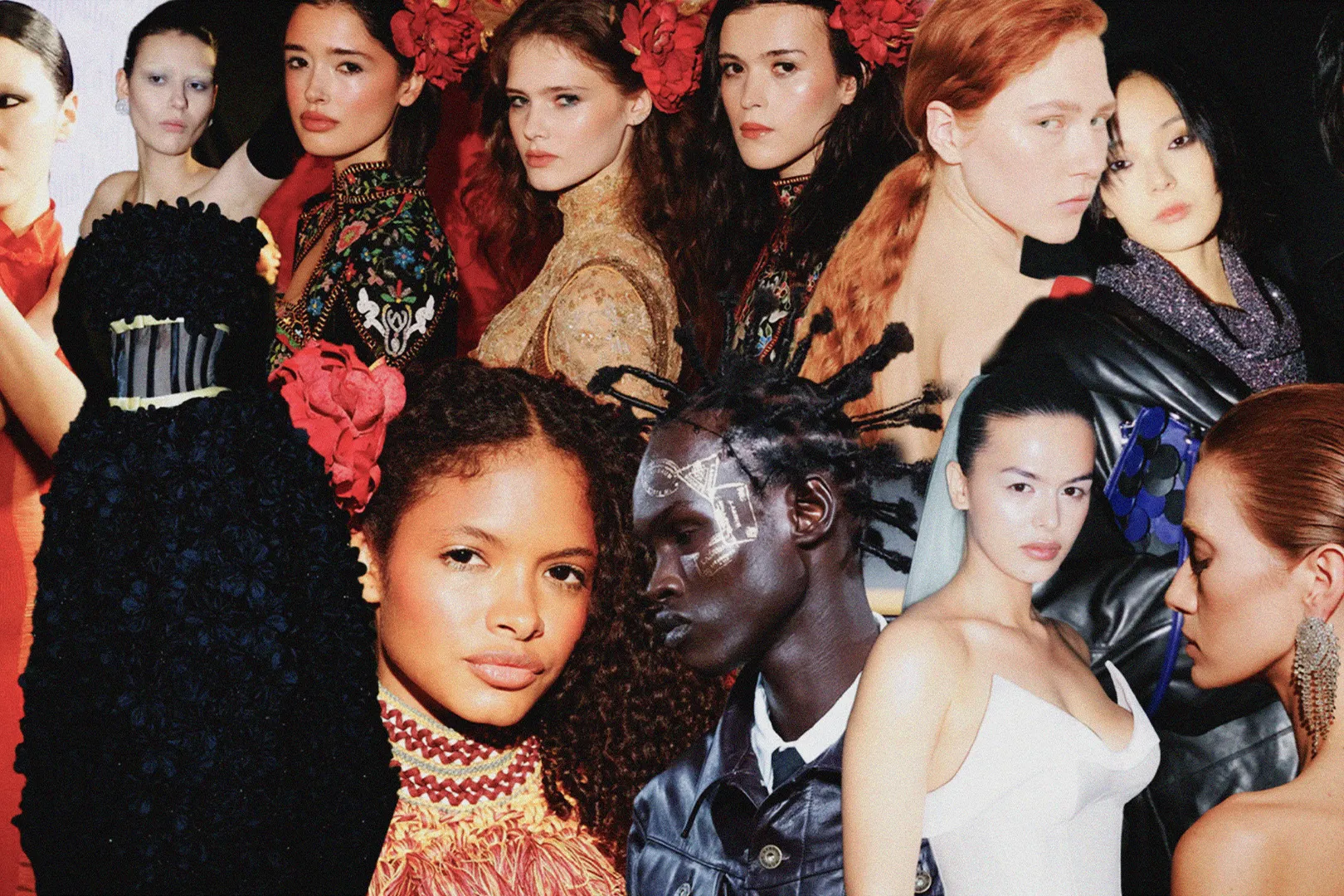
The London runways have consistently served as a cornerstone of global fashion and beauty trends, and the 2026 season is no exception. Drawing inspiration from an array of cultural influences and technological innovations, the latest beauty trends emerging from London showcase a complex interplay of aesthetics, sustainability, and individual expression. As we delve deeper into these trends, we will provide critical insights, comparative breakdowns, and actionable frameworks for industry professionals and consumers alike.
Insight into Current Trends in the Beauty Industry
As the world shifts towards a more conscious approach in various sectors, the beauty industry is no different. The trends derived from London Fashion Week in 2026 not only reflect evolving consumer preferences but also signify broader industry dynamics that include sustainability, inclusivity, and technological integration. Economic factors, social movements, and advancements in scientific research all play vital roles in shaping these trends.
Recent reports indicate an increasing emphasis on cruelty-free and vegan products, as consumers are more informed and willing to invest in brands that align with their ethical beliefs. Additionally, the rise of personalized beauty routines, powered by data analytics and AI, underscores a transformative period in the industry where individualization meets accessibility.
High-Level Summary of Key Trends
The following key beauty trends from London Fashion Week 2026 stand out:
- Natural Minimalism – An evolution towards holistic beauty, focusing on enhancing natural features rather than masking them.
- Sustainable Innovations – The incorporation of eco-friendly products and practices is becoming mainstream, with emphasis on recyclable packaging and refillable options.
- Digital-First Approaches – The use of augmented reality and AI in beauty applications is gaining traction, allowing consumers to virtually test products.
- Inclusive Color Palettes – A significant movement towards representing all skin tones in makeup and hair products, fostering inclusivity.
- Wellness-Infused Skincare – The merging of beauty and health through products that not only enhance appearance but also promote physical well-being.
These trends reveal how the beauty landscape is evolving in response to consumer demand and global challenges.
Comparative Analysis of Beauty Trends
A structured breakdown of the highlighted trends provides clarity on their implications and consumer reception. The following table illustrates these beauty trends alongside their key characteristics, target audiences, and brand responses.
| Trend | Key Characteristics | Target Audience | Brand Responses |
|---|---|---|---|
| Natural Minimalism | Light coverage, emphasis on skin texture | Young consumers prioritizing authenticity | Brands launching tinted moisturizers and highlighters |
| Sustainable Innovations | Use of eco-friendly materials, transparency in sourcing | [Environmentally conscious consumers](https://www.londonunravelled.com/category/lifestyle/) | Increased marketing of recyclable packaging and refill stations |
| Digital-First Approaches | Use of AR for virtual try-ons, personalized recommendations | Tech-savvy millennials and Gen Z | Partnerships with tech companies for app development |
| Inclusive Color Palettes | Diverse shades catering to all skin tones | Underrepresented demographics in cosmetics | Extension of shade ranges to reflect diversity |
| Wellness-Infused Skincare | Products with health benefits, mindfulness components | Health-focused consumers | Introduction of wellness categories in brands’ product lines |
The comparative overview indicates that while natural minimalism has gained popularity, the critical demand for sustainability and inclusivity profoundly influences how brands communicate their values and product benefits. This alignment can amplify brand loyalty and increase market share, especially among younger consumers.
In-Depth Examination of Current Trends
Engaging with each beauty trend on a granular level allows us to appreciate the nuanced approaches brands are adopting in 2026.
The Movement Towards Natural Beauty
Natural minimalism emphasizes simplicity and authenticity, encouraging consumers to showcase their unique features rather than conforming to conventional beauty standards. The trend is supported by the growing number of consumers seeking clean formulations and transparency in ingredient sourcing.
Several brands have adopted “skinimalism,” which combines skincare and makeup for a lightweight feel. This trend not only caters to the desire for less product but also aligns with a broader societal shift towards self-acceptance and mental wellness.
The Eco-Friendly Revolution
With a steady rise in environmental awareness, beauty brands are under increasing pressure to demonstrate sustainability. This trend includes the adoption of biodegradable materials and innovative production methods that reduce waste.
Many companies are investing in sustainable product lines, aiming to attract consumers who prioritize ethical consumption. Brands with established sustainability narratives tend to resonate more with consumers, creating a competitive edge.
The Relevance of Digital Technology in Beauty
Augmented reality (AR) and artificial intelligence (AI) have emerged as transformative tools in the beauty sector. From virtual try-ons to personalized skincare solutions, these technologies are redefining consumer engagement.
Brands that successfully integrate digital approaches into their marketing strategies are witnessing increased interaction and conversion rates. AI-driven insights also equip companies with a better understanding of consumer needs.
Bridging the Gap with Inclusivity
The beauty community is increasingly recognizing the necessity for inclusivity in product offerings. Brands are broadening their color palettes to cater to diverse skin tones, enriching the consumer experience and cultivating brand loyalty.
Consumer loyalty aligns with authenticity; brands committed to diversity often attract a wider audience, as seen by the growing popularity of inclusively-focused campaigns and partnerships.
Integrating Wellness with Beauty
The wellness trend represents an era of holistic beauty, where products not only deliver aesthetic benefits but also contribute to overall health. This trend is fueled by consumer demand for transparency, with many preferring products that are free from harmful additives.
As a result, brands are formulating products with wellness insights in mind, integrating naturally derived ingredients known for their health benefits, such as adaptogens and probiotics.
Assessment of Research Methodology
The insights presented herein are largely derived from qualitative analysis, drawing upon interviews with industry insiders, social media trends, and consumer behavior studies in 2026. A comprehensive evaluation of fashion week presentations, expert commentary, and brand initiatives contributed to a holistic understanding of current beauty trends.
Secondary data sources, such as market analysis reports and consumer surveys, were utilized to enrich the analysis. This multifaceted approach ensures that the findings are grounded in reliable data while also capturing the ever-evolving nature of the beauty industry.
Regulatory Considerations and Industry Standards
As the beauty industry navigates these emerging trends, it remains essential to adhere to regulatory requirements. In the context of sustainability, stringent environmental regulations necessitate compliance in terms of packaging, ingredient sourcing, and marketing claims.
Brands must also remain vigilant regarding product safety standards, as consumers increasingly seek transparency in ingredient usage. Regulatory frameworks governing claims about sustainability and health benefits are becoming more nuanced, pushing brands to evaluate their positioning critically.
Framework for Practical Decision-Making
To successfully navigate these emerging beauty trends, brands should consider the following framework for strategy development:
- Assess Consumer Expectations: Continuous engagement with consumers through surveys and social media to gauge sentiment around new trends.
- Evaluate Brand Alignment: Brands must ensure their values align with evolving consumer expectations, particularly in sustainability and inclusivity.
- Adopt an Agile Approach: Flexibility in adopting new technologies or reformulating products will ensure that brands remain relevant in a fast-paced market.
- Monitor Regulatory Changes: Staying abreast of regulatory updates will help brands avoid compliance pitfalls while promoting transparency.
- Analyze Competitor Strategies: Insights on competitors’ approaches can provide valuable lessons on successful practices and potential gaps in the market.
This framework empowers brands with the intelligence needed to effectively respond to shifting trends, maximizing their potential for growth while safeguarding their reputations.
Challenges and Considerations in Trend Implementation
While the beauty industry is ripe with opportunities, it is essential to recognize the inherent risks and limitations involved in implementing new trends. For instance, brands may face backlash if they misrepresent their sustainability claims, risking reputational damage.
Furthermore, rapid technological adoption may alienate less tech-savvy consumers. Brands must carefully balance innovation with accessibility to ensure they meet the needs of diverse demographics without excluding certain segments.
Summarizing the implications of the current trends, brands must adopt a balanced approach that embraces innovation while remaining conscious of ethical considerations and consumer sentiments.
Building Trust and Transparency in the Industry
The evolving landscape of the beauty industry demands heightened transparency and trust. Brands that proactively communicate their practices, sourcing, and production methods tend to foster stronger relationships with consumers.
Establishing credibility through certification and third-party endorsements can enhance consumer confidence and loyalty. In an era where consumers are increasingly skeptical of marketing claims, a commitment to open communication is paramount.
Additionally, encouraging feedback and engaging with consumers on social media platforms can serve as invaluable resources for gathering insights and reinforcing trust. This two-way communication enhances the overall consumer experience while keeping brands accountable.
The beauty industry in 2026 illustrates a potent convergence of aesthetics, ethics, and individual expression, with trends emerging from the London runways setting the stage for future developments. By navigating these evolving landscapes thoughtfully, brands can not only thrive economically but also contribute positively to a more inclusive and sustainable world.







Leave a Reply