
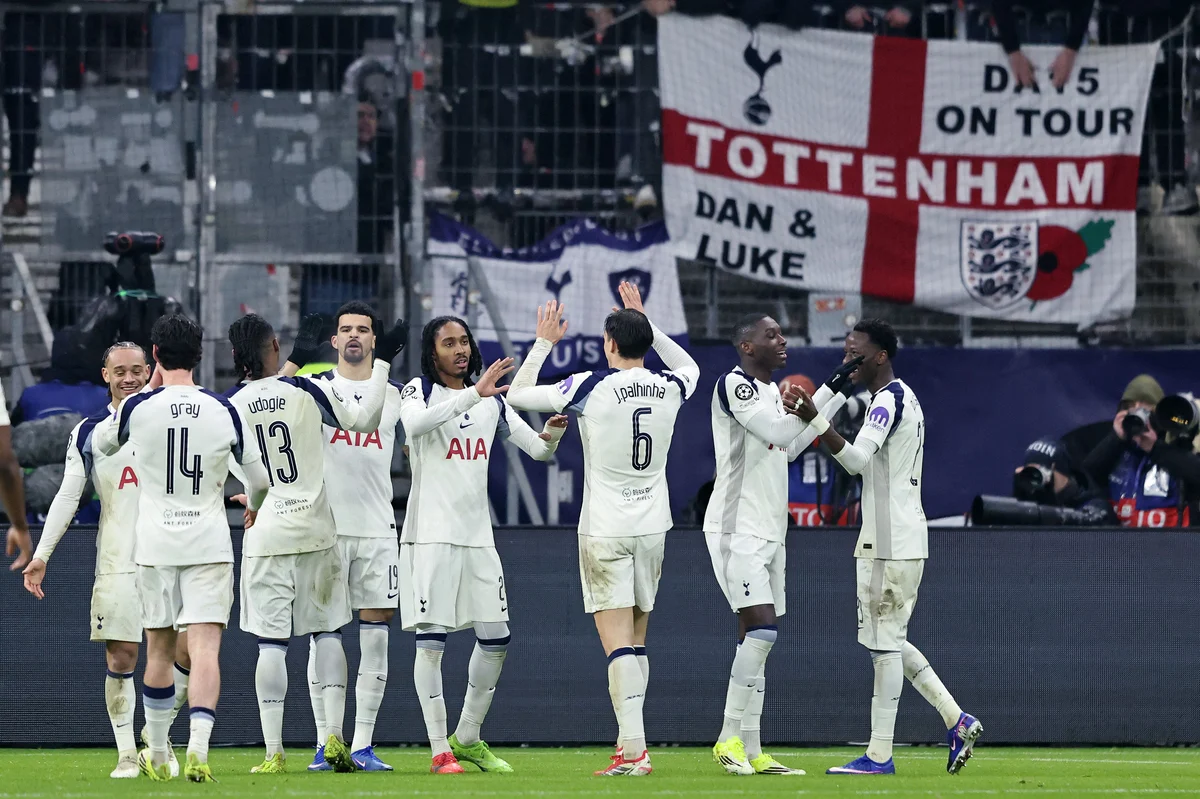
The journey of Tottenham Hotspur through the Champions League in 2026 has been marked by thrilling matches, strategic brilliance, and the perennial challenge of facing elite teams. This editorial delves into Tottenham’s path to the final, emphasizing not only the matches against formidable opponents but also the significance of the looming rivalry with Arsenal. As we analyze the nuances of this season, it is imperative to contextualize Tottenham’s performances within their broader ambitions in one of the sport’s most prestigious tournaments.
Setting the Stage: The Landscape of European Football in 2026
The backdrop against which Tottenham’s Champions League campaign unfolds is vital for understanding their trajectory. Various factors contribute to the competitive nature of the tournament, including evolving football tactics, player transfers, and the financial landscapes of clubs involved.
The Champions League itself has seen a shift in dominance. Traditional powerhouses find themselves contending with emerging teams that challenge the status quo. This dynamic is further accentuated in 2026, as financial fair play regulations and competitive balance continue to reshape the landscape of European football. For insights into the best places to visit in Scotland or urban trends affecting local economies, a broader understanding of these factors is essential.
A New Age of Competition
In recent years, new entrants to the Champions League have emerged, showcasing talent and ambition previously reserved for Europe’s elite. This trend emphasizes the need for established clubs like Tottenham to adapt swiftly to maintain their standing. A good example can be found in the rise of clubs from Eastern Europe, which have created a ripple effect, intensifying competition among all clubs. Many teams are looking to make an impact, similar to the way Texas Tech basketball has carved its path in collegiate sports.
Highlights of Tottenham’s Campaign: Key Matches and Moments
The performances that stand out during Tottenham’s progression to the final illustrate not just the quality of football but also the resilience and tactical ingenuity displayed by the team.
Critical Matches in the Knockout Stages
During the knockout stages, Tottenham faced several high-profile teams, each pitting their strengths against one another. The importance of these encounters cannot be overstated, as they not only determine the team’s progression but also reveal deeper tactical patterns.
-
Quarterfinals: Tottenham vs. Borussia Dortmund
Tottenham’s encounter against Dortmund showcased their defensive discipline and quick counter-attacks, which have been signature components of their strategy throughout the tournament. -
Semifinals: Tottenham vs. Real Madrid
Facing a historically successful side like Real Madrid tested Tottenham’s mettle, but it also provided a platform for the team to showcase their tactical evolution under pressure. The balance between offensive creativity and defensive stability was pivotal in navigating this formidable challenge. -
Performance Metrics
Examining the statistics from these matches can provide deeper insights into how Tottenham managed to advance. The following table summarizes key metrics from the knockout stages.
| Match | Possession (%) | Shots on Target | Pass Accuracy (%) | Goals |
|---|---|---|---|---|
| Dortmund | 55 | 7 | 85 | 3 |
| Real Madrid | 48 | 5 | 82 | 1 |
The match against Borussia Dortmund highlighted Tottenham’s ability to control possession and create scoring opportunities, culminating in a decisive victory. On the other hand, the match against Real Madrid showcased a more pragmatic approach where Tottenham prioritized maintaining a solid defensive structure while also capitalizing on counter-attacking opportunities.
Analyzing Key Tactical Approaches
A deeper analysis reveals the tactical transformations that have underpinned Tottenham’s success. Each match presented unique challenges that necessitated adjustments in formation and style of play.
Defensive Resilience and Offensive Versatility
One hallmark of Tottenham’s strategy has been their ability to blend defensive resilience with offensive versatility. In high-stakes matches, this duality has been crucial. The solidified backline, complemented by dynamic wing play, has allowed them to counterattack swiftly while maintaining control in possession.
Adapting to Opponent Strengths
Against different opponents, Tottenham has adapted their approach. Notably, their matches against more attack-oriented teams like Borussia Dortmund and Real Madrid required a flexible formation capable of adjusting in real-time.
A Closer Look at the Rivalry: Tottenham versus Arsenal
No discussion of Tottenham’s season would be complete without addressing the historic rivalry with Arsenal. Set against the narrative of their Champions League aspirations, the implications of these derbies extend beyond mere points on the table. Insights from business in London can provide a broader context to this intense rivalry.
Impacts on Form and Morale
Prior matches against Arsenal not only bear emotional weight but also hold significant implications for the overall performance of the team. The psychological impact of losing or winning local derbies can affect the squad’s confidence heading into critical matches in the Champions League.
Comparative Analysis of Tottenham and Their Rivals
To better evaluate Tottenham’s standing in the competition, a comprehensive comparison with both domestic rivals and European opponents can yield substantial insights regarding strategic positioning and performance.
| Team | Domestic Position | Points in Champions League | Recent Form (Last 5 Matches) |
|---|---|---|---|
| Tottenham | 3rd | 15 | W-L-W-W-W |
| Arsenal | 1st | 18 | W-W-W-L-W |
| Real Madrid | 2nd | 16 | W-W-L-W-W |
From this analysis, Tottenham’s performance in both domestic and European competitions illustrates the pressure they have faced in maintaining balance across different fronts. The ongoing rivalry with Arsenal is a defining aspect of their season and mirrors their pursuit of success in Europe.
Evaluating the Strategic Framework for Future Matches
As Tottenham prepares for critical upcoming matches, it is essential to outline a tactical framework that addresses both opportunities and potential pitfalls.
Proactive Tactical Adjustments
To enhance their prospects, proactive adaptations in strategy are crucial. This might involve fine-tuning formations to better exploit opponent weaknesses or reaffirming a focus on defensive solidity against high-scoring teams.
Strengthening Squad Depth
The importance of squad rotation and fitness management cannot be overstated during the demanding phase of the season. A well-managed squad ensures fresh legs and a sustained level of performance, similar to how Royal London for Advisers empowers professionals in the financial sector.
Assessing Risks and Limitations in Their Campaign
While Tottenham has enjoyed a commendable campaign, it is necessary to identify potential risks and limitations. Historical context reveals that unexpected injuries or fixture congestion can significantly disrupt progress.
Injury Management and Depth Concerns
Injuries to key player positions may jeopardize their integrity and competitiveness. If significant players take a hit, the overall cohesion on the pitch may deteriorate, impacting results unfavorably.
Fixture Congestion
A congested fixture list demands strategic planning to avoid fatigue among players. Balancing between league commitments and Champions League matches requires astute management from coaching staff.
The Importance of Trust and Transparency in Team Dynamics
Trust within the squad and transparency in decision-making processes remain pivotal to maintaining morale and unity. As Tottenham continues its journey, the integrity of communication and trust-building exercises can enhance performances.
Leadership and Cohesion
In tumultuous moments, effective leadership emerges as a key factor in mitigating chaos. Building cohesion through structured team huddles and strategic meetings can improve synergy and collective responsibility.
Transparency in Tactical Discussions
Inclusive discussions concerning match tactics allow players to foster a deeper understanding of their roles. This clarity enhances trust in decision-making during critical moments on the pitch.
In conclusion, Tottenham Hotspur’s route to the Champions League final in 2026 has been characterized by exceptional performances, strategic adaptations, and the persistent challenge of rivalry. As they navigate the matches ahead, the interplay between tactical resilience and squad cohesion will be crucial. The robustness of their foundation will play a significant role in determining whether they can ultimately prevail against Europe’s best and their most formidable rivals in the league.









Leave a Reply