
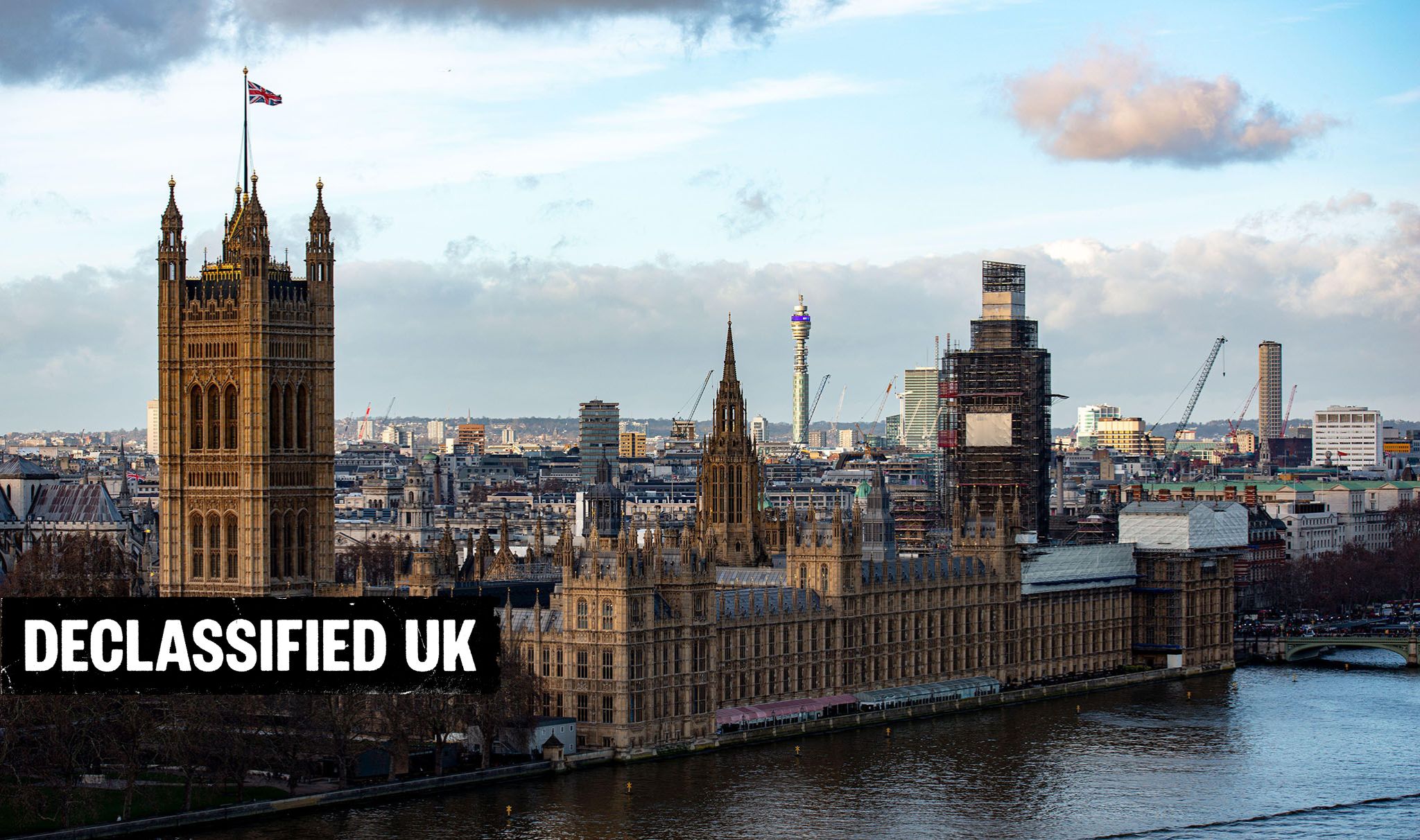
In recent years, the topic of relocating the UK Parliament has been rising to the surface, gaining traction across media platforms, governmental discussions, and public forums. The Guardian’s perspective has been particularly influential in shaping perceptions around this critical issue. In 2026, as dialogue intensifies regarding the future of the UK political landscape, a nuanced understanding of the arguments in favor of moving Parliament from its historic home in Westminster is essential for stakeholders and citizens alike.
Understanding the Historical Context and Current Landscape
For several centuries, Westminster has served as the heart of political life in the United Kingdom. Established as the seat of power in the mid-13th century, its significance extends beyond pure governance into realms of culture, history, and national identity. However, significant socio-political and economic shifts have catalyzed discussions about the feasibility and advisability of such a move.
Demographic trends in the UK, particularly in the last two decades, have seen a transfer of population and economic activity from London to other regions. This decentralization raises the question of whether London remains the most suitable location for Parliament. In the wake of regional devolution, several areas have developed their own political identities, leading to scrutiny over the current centralization of political authority. For an in-depth discussion on urban life, check out London Unravelled.
Tracing the Impetus for Relocation
The arguments in favor of Parliament relocating often stem from a combination of practical considerations and idealistic visions for a more equitable distribution of power. In studying this, several factors warrant close examination.
- Historical Precedents: Countries like Canada and Australia have decentralized their legislative bodies to enhance democratic engagement and local representation.
- Accessibility and Inclusion: Relocating Parliament could theoretically make political processes more accessible to citizens residing outside London. For insights into accessibility and urban trends, see London & UK Lifestyle.
- Economic Balance: Regional development could be stimulated through a relocation strategy, fostering economic growth in other areas of the UK.
Each of these factors contributes to a broader narrative advocating for a reimagined approach to British governance.
A Comprehensive Overview of Arguments for and Against the Move
Understanding the multifaceted discussions surrounding Parliament’s potential relocation requires careful consideration of the various arguments presented by advocates and opponents alike. This section aims to articulate a structured comparative breakdown of these positions.
Table: Arguments For and Against Relocating Parliament
| Argument Type | Pro-Relocation Arguments | Counter-Arguments |
|---|---|---|
| Historical Context | Parliament’s relocation has positive precedents in other Commonwealth nations. | The historical and cultural significance of Westminster cannot be easily replicated. |
| Accessibility | Relocation could enhance accessibility for citizens outside London. | Many citizens are accustomed to Westminster and may not favor a new location. |
| Economic Development | Stimulating regional economies by decentralizing political power. | Relocation may divert resources and attention from more urgent local needs. |
| Political Engagement | Could foster increased political interest in regions outside London. | A physical move does not guarantee changes in political engagement. |
| Infrastructure | Opportunity to modernize the parliamentary infrastructure. | A transition can involve substantial costs and logistical difficulties. |
This table summarizes the central arguments, highlighting the complexity of discussions surrounding the move. Notably, both sides present compelling points that reflect the competing values of tradition and modernity, decentralization and centralization.
Diving Deeper into Key Arguments
To grasp the implications of these arguments, it is essential to delve deeper into some key themes that reflect the broader societal context.
The Importance of Historical Context
The presence of parliamentary legislatures in locations outside traditional capitals serves as a precedent for potential relocation. In countries such as Australia, the move to Canberra was not solely a matter of practicality; it was also about symbolically establishing a new, neutral site for governance. This has been cited as a means to bridge divides and foster a sense of unity among diverse populations.
Conversely, proponents of maintaining Westminster argue that the historical significance of the site contributes to the identity and continuity of British politics. Westminster is not just a building; it is a symbol of authority that has withstood the test of time significantly. The challenge lies in balancing these historical sentiments with the practical needs of a nation that is evolving in both demographics and values. For more on balancing modern needs with tradition, see London & UK Politics.
Accessibility and Inclusivity in Political Engagement
Accessibility is often cited as a primary argument in favor of relocating Parliament. With the capital’s geographical and economic centrality resulting in a disenfranchisement of citizens from other areas, moving Parliament could catalyze improved citizen engagement. Access to political representation can be thought of not just in terms of geography but also in how representative bodies relate to diverse populations.
However, accessibility also raises questions of cost and feasibility. Would a move actually increase participation, or would logistical barriers still limit engagement despite a new location? These deeper questions warrant thorough investigation to avoid assumptions that do not bear out in empirical evidence. For insights into improving civic engagement, consider exploring London & UK Main News.
The Economic Implications of a Move
Advocates of relocation frequently highlight potential economic benefits, including regional development and job creation. The establishment of a parliamentary seat in less populated or economically disadvantaged areas could spread government resources more evenly across the nation, addressing long-standing inequalities.
Nevertheless, arguments against this often emphasize that the benefits may not be immediate or substantial. Instead, there could be significant initial costs associated with the move, from constructing new buildings to transporting existing governmental operations. Evaluating such initiatives requires a thorough grasp of economic fundamentals, including return on investment, sustainable growth, and long-term forecasts. For more on economic trends in urban spaces, refer to Business in London & the UK.
Critical Methodology in Evaluating the Relocation Proposal
Understanding the complexities surrounding a potential relocation of Parliament requires a rigorous and analytical approach. A sound methodology for examining the merits and drawbacks of this proposal should incorporate both qualitative and quantitative analyses while also engaging diverse stakeholder perspectives.
Evaluating Metrics of Success
When conducting analyses, identifying relevant metrics is key. These could include citizen engagement statistics, economic indicators in various regions, and impact assessments associated with existing models in other nations.
- Demographics and Representation: Examining population representation in relation to parliamentary locations.
- Economic Indicators: Assessing how regional economies might react to increased governmental presence.
- Public Sentiment Surveys: Engaging citizens to understand their feelings about accessibility and representation.
Engaging these metrics allows for a more nuanced understanding of potential outcomes, moving beyond simple binary arguments about the relocation.
Stakeholder Engagement and Perspectives
An essential component of any evaluation must involve stakeholder engagement. By consulting a variety of community voices—from local leaders and citizens to parliamentary representatives and economists—the proposal to relocate Parliament can be contextualized in broader social frameworks. Doing so can ensure that the needs, voices, and values of various communities are factored into any ongoing discussions and potential plans.
Exploring the Regulatory and Structural Context of Parliament
A significant aspect of the discussion surrounding Parliament’s potential move involves understanding the existing regulatory and structural frameworks in which British governance operates.
Current Legislative Framework
The UK Parliament’s operations are defined by complex legislative frameworks, including constitutional principles that bind both its physical location and procedural functions. Current laws dictate aspects of parliamentary conduct, and any change involving a shift in location would require comprehensive legal and procedural adjustments.
Moreover, examining international practices can provide a dialogue on best practices regarding governance structures that could be applied to the UK context. Insights from other countries that have moved their legislative bodies could serve as a valuable guide.
Weighing Practical Decision-Making Frameworks
In light of the discussed themes, it becomes essential to establish a practical decision-making framework for evaluating the possibility of moving Parliament.
Guidelines for Assessing Relocation Options
- Cost-Benefit Analysis: Assess the economic implications of relocation versus retaining the status quo.
- Engagement Metrics: Developing systems to measure both current and potential future levels of citizen engagement.
- Legal Assessments: Ensuring that any proposed moves comply with existing legislative and constitutional considerations.
This systematic approach enables stakeholders to critically assess proposed changes while firmly grounding discussions in practical realities. It encourages comprehensive evaluations rather than emotional reactions based on the symbolic significance of Westminster.
Identifying Risks and Limitations Throughout the Process
As discussions surrounding the move unfold, recognizing risks and limitations is imperative for informed decision-making.
Potential Challenges and Pitfalls
- Public Opposition: Unforeseen public sentiment could derail plans for relocation.
- Logistical Complexity: The movement itself poses substantial logistical challenges that might not bear out positive results.
- Resource Allocation: Funding considerations for a new parliamentary site could divert attention from pressing societal needs.
Each of these factors presents significant hurdles that, if not accounted for thoroughly, could undermine potential benefits of relocating Parliament. Stakeholders must navigate these challenges with care.
Building Trust: The Importance of Transparency
Straightforward communication and transparency throughout the decision-making process are critical for fostering public trust.
Strategies for Ensuring Transparency
- Regular Updates: Keeping citizens informed about developments in decision-making processes.
- Open Forums: Hosting public discussions to gauge opinions and concerns.
- Comprehensive Reporting: Making detailed reports on economic and societal assessments publicly available.
These strategic approaches help cultivate a climate of openness and accountability, reinforcing positive engagement and participation among citizens.
In light of the complex dynamics surrounding the potential relocation of Parliament from Westminster, a structured and multifaceted analysis is crucial for comprehensively understanding the implications of such a move. The ongoing discussions reflect not only immediate practical concerns but also deeper questions about national identity, governance, and representation. As 2026 progresses, these reflections will likely continue to shape the legislative landscape of the UK, demanding careful scrutiny and thoughtful deliberation from all involved parties.





Leave a Reply