
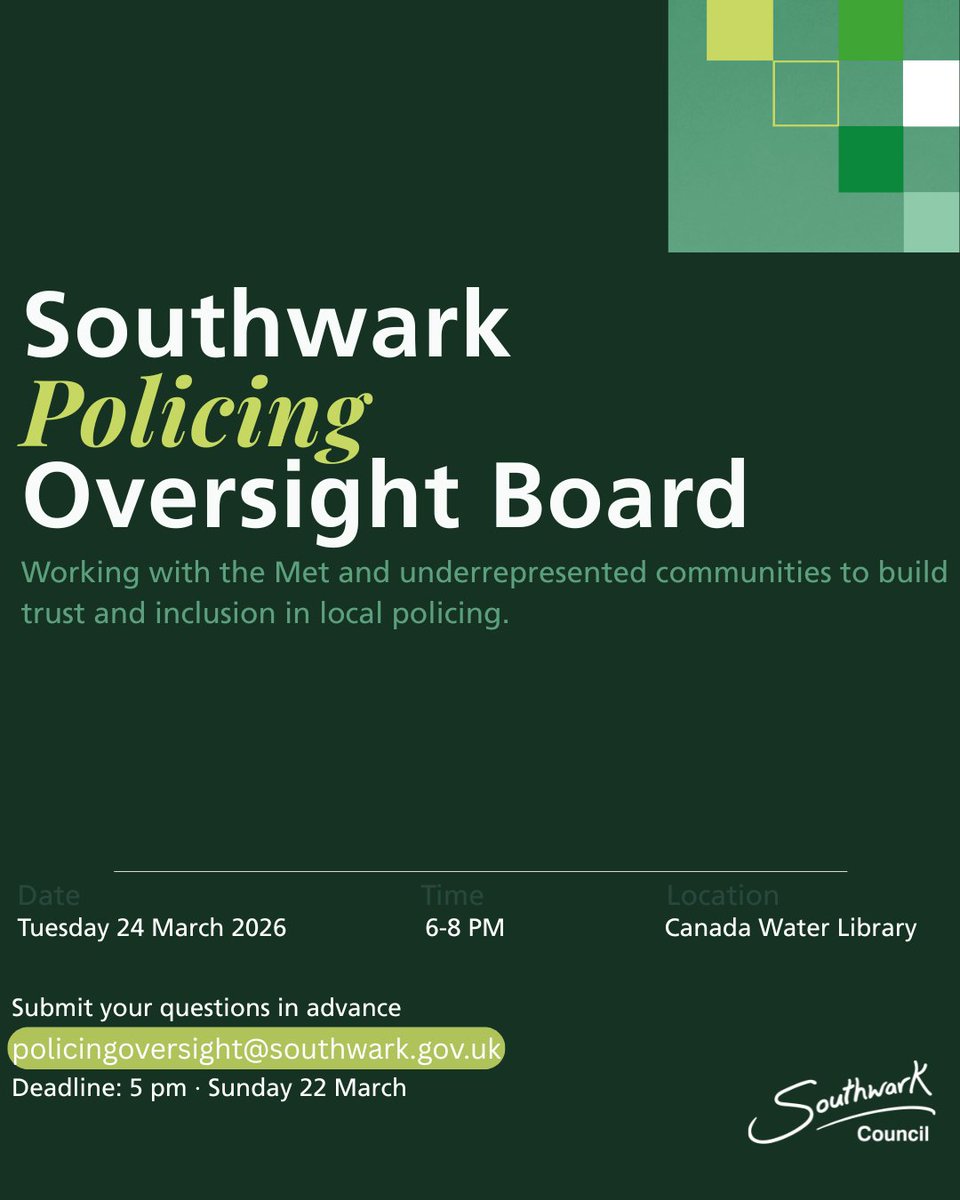
Policing Oversight Boards have become essential components in the governance of law enforcement agencies, particularly in urban settings. The structure and effectiveness of these boards can significantly influence community trust, transparency, and accountability within policing practices. An upcoming meeting hosted by Southwark’s Policing Oversight Board illustrates a key aspect of this oversight: the proactive engagement of community members through the submission of questions ahead of the meeting. This process not only promotes transparency but also empowers citizens to gain a voice in discussions that directly impact their communities.
Key stakeholders in this meeting include citizens, law enforcement officials, and community advocates, all of whom contribute varied perspectives on policing practices. The submission of questions prior to the meeting serves to filter inquiries that are most relevant, encouraging a structured and focused dialogue. This editorial will delve into the context, implications, and framework surrounding the practices of such oversight boards, with a focus on the importance of citizen engagement in these dialogues.
The Current Landscape of Policing Oversight
The concept of policing oversight is rooted in the recognition that police forces wield substantial power with significant consequences for community dynamics. Increased scrutiny of law enforcement has emerged from high-profile incidents of misconduct, leading to a growing call for transparent governance structures.
While policing is primarily a public service, the relationship between law enforcement agencies and the communities they serve can often be fraught with tension. Policymaking surrounding these relationships requires a comprehensive understanding of varying historical, socio-economic, and political factors that shape community perceptions of safety and justice. For instance, insights from London & UK Politics – City and National Affairs can shed light on how policy changes influence community safety.
Historical Context
Historically, policing has evolved from a mechanism for maintaining public order to a more complex institution charged with various responsibilities, including crime prevention, community engagement, and regulatory enforcement. However, moments of systemic failure or misconduct have frequently led to public outcry and demands for accountability. The establishment of policing oversight boards has been, in many ways, a response to these crises, similar to trends observed in London & UK Tech – Innovation, Startups and Digital Trends where innovation drives changes in community relations.
Understanding the historical context behind current oversight practices highlights the evolution of public expectations regarding law enforcement accountability. Citizen involvement in oversight meetings reflects a shift toward a more participatory governance model in which communities are seen as active stakeholders rather than passive recipients of policing services.
Global Perspectives
Countries vary significantly in their approach to policing oversight. Some employ independent bodies that review complaints or monitor police activities, while others rely on community-based frameworks that incorporate citizen feedback into policy and operational practices. Comparative analysis of these varied models reveals key insights into best practices and areas for improvement as Southwark and similar municipalities explore their frameworks. Exploring Social and Political Dynamics in London can provide additional context on how these frameworks adapt to local challenges.
The international landscape shows a trend toward greater public engagement, with community advisory boards and public consultation being integral to the oversight process in several nations. This comparative perspective can offer insights into potential strategies for enhancing the effectiveness of Southwark’s Policing Oversight Board.
Essential Overview of the Upcoming Meeting
The upcoming meeting on 24 March at Canada Water Library is a pivotal opportunity for community members to engage with policing oversight processes. The requirement for submitting questions in advance emphasizes an organized, considerate approach to dialogue.
Given the broad range of topics pertinent to policing oversight, questions that reflect genuine community concerns, suggestion of policies, or inquiries into law enforcement practices can contribute to more impactful discussions. This structure benefits both community members, who can ensure their voices are heard, and law enforcement representatives, who have the opportunity to prepare thoughtful responses. This engagement connects to broader discussions in London Events – What to Do in London, Things to See & Experience as community events reflect local interests and issues.
The Significance of Pre-Submission
Requesting pre-submission of questions serves several purposes. Firstly, it allows for the gathering and prioritization of community concerns, ensuring that the most pressing topics are addressed. Secondly, it creates a structured environment conducive to productive dialogue, as prepared representatives can provide informed responses rather than reactive comments.
Furthermore, this approach fosters a culture of respect and accountability between law enforcement and the community, reminding both parties that ongoing dialogue is essential for building trust.
Comparative Analysis of Oversight Mechanisms
In assessing the effectiveness of policing oversight mechanisms, it’s critical to analyze comparable organizations globally. Below is a structured comparative breakdown that highlights key attributes of various policing oversight frameworks.
| Country | Type of Oversight | Community Involvement | Reporting Frequency | Outcomes |
|---|---|---|---|---|
| United States | Independent Commission | High – community witnesses | Annual | Adequate reforms |
| Canada | Police Act Review Boards | Medium – designated representatives | Bi-annual | Moderate reforms |
| United Kingdom | Local Policing Bodies | High – public consultations | Quarterly | Continuous improvement |
The analysis presented above outlines how each country’s oversight mechanisms function, emphasizing the significance of community involvement and the outcomes achieved through these processes. For Southwark, learning from these frameworks can illuminate potential pathways for effective reform and increased public trust. Insights found in Business in London & the UK – Urban Economy & Trends may further inform local governance strategies.
Evaluating the Effectiveness of Oversight Boards
The effectiveness of policing oversight boards is inherently tied to their structure, authority, and the level of community engagement they facilitate. A well-defined governance framework can help clarify roles, establish accountability, and streamline operations to ensure responsiveness to community needs.
Key Performance Indicators
Measuring the success of policing oversight is essential to understanding its impact. Common Key Performance Indicators (KPIs) include community satisfaction, frequency of complaints resolved, and improvements in community-police relationships.
Regular assessment of these indicators can provide essential feedback loops for refining strategies and enhancing the interaction between law enforcement and community stakeholders.
Assessing Risks and Challenges
Despite their advantages, policing oversight boards encounter various risks and challenges that can hinder their effectiveness.
Potential Barriers to Success
One considerable barrier is resistance from law enforcement entities, which may perceive oversight as a threat to their autonomy. Striking a balance between accountability and operational independence remains a challenging endeavor.
Moreover, community apathy can impede the effectiveness of oversight mechanisms. Ensuring that the public feels empowered and informed about their rights to engage with policing processes is paramount for sustained participation.
Fostering Trust through Transparency
A crucial aspect of policing oversight is fostering trust in law enforcement agencies through transparency. Publicly available reports detailing the outcomes of oversight meetings and feedback mechanisms contribute significantly to this trust-building process.
Incorporating a feedback loop where community members can see the impact of their inquiries and suggestions can create a sense of ownership and accountability.
The overarching framework of transparency not only uplifts the credibility of oversight bodies but also reinforces the notion that community perspectives are invaluable in shaping effective policing practices.
Practical Framework for Citizen Engagement
For citizens interested in participating in upcoming meetings or engaging with the Policing Oversight Board, understanding the structure and processes of inquiry can enhance effectiveness and engagement.
Steps for Participation
- Question Submission: Submit questions to policingoversight@southwark.gov.uk by the designated deadline.
- Research Topics: Familiarize yourself with the agenda ahead of the meeting to ensure informed inquiries.
- Attend Meetings: Engage directly by attending meetings, observing dialogues, and understanding community concerns.
Recognizing that active participation can directly influence policing practices is vital in fostering a culture of engagement.
The Importance of Transparent Processes
Ensuring that processes are transparent and inclusive serves to enhance the legitimacy of policing oversight efforts. Communities must be able to witness the practical outcomes of their input into these processes.
Email communications, public meetings, and community surveys can effectively facilitate ongoing dialogues that ensure the public’s opinion shapes local policing practices. This aligns with broader movements discussed in Understanding Business Insurance Services: A Comprehensive Guide for UK Enterprises about navigating complexities in community relations.
By emphasizing transparency and accountability, policing oversight boards can strengthen community trust and engagement, paving the way for more effective law enforcement relationships within the community.
This ongoing engagement, particularly in the context of today’s forthcoming meeting, serves as a crucial testament to the evolving relationship between oversight bodies and the communities they serve.









Leave a Reply