
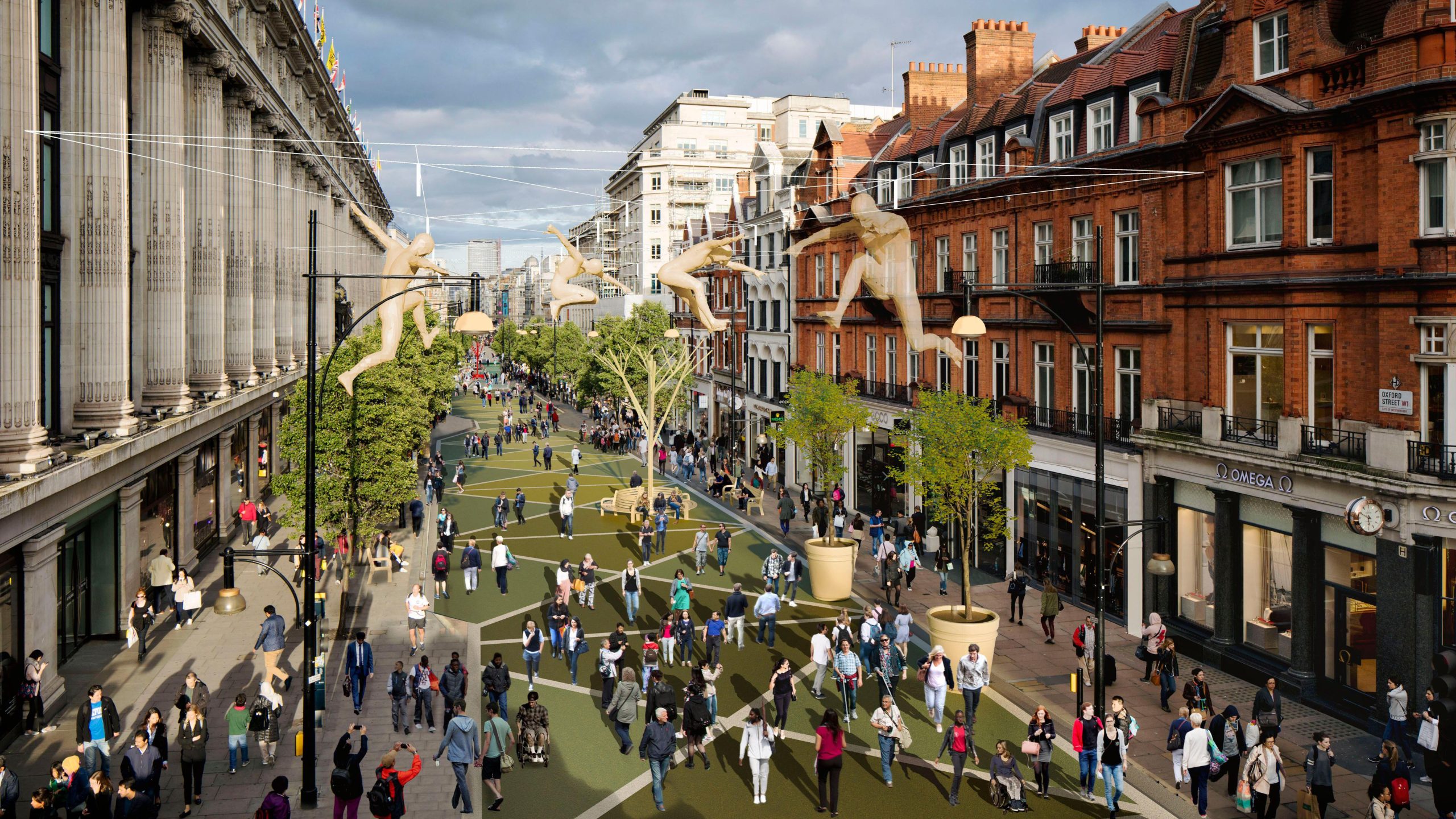
The decision to pedestrianise Oxford Street has been a significant topic of discussion within urban planning and transportation circles, reflecting an ongoing effort to enhance city life, reduce congestion, and improve air quality. With the official go-ahead for this ambitious undertaking slated for 2026, it is vital to assess the various implications — from environmental benefits and economic repercussions to social equity considerations.
The Background Behind the Initiative
The movement to pedestrianise Oxford Street originated from a broader recognition of the negative impacts of traffic congestion in urban centers. Oxford Street, one of London’s most famous shopping destinations, has long been plagued by vehicular traffic, leading to air pollution and an unpleasant experience for pedestrians. Studies have demonstrated the detrimental health effects of poor air quality, making the case for pedestrian-friendly environments increasingly compelling.
Furthermore, pedestrianisation aligns with global trends and local government objectives aimed at promoting sustainable urban mobility. Various European cities have successfully implemented similar projects, showcasing advantages that can arise from reducing vehicle access, enhancing local businesses, and fostering community engagement. For further exploration of urban life, check out London Unravelled.
Although the initiative represents an opportunity to revitalize Oxford Street, it necessitates a careful evaluation of various factors to ensure successful implementation.
Policy Framework and Strategic Objectives
The political environment surrounding the pedestrianisation of Oxford Street is marked by a variety of stakeholders, including local government, business owners, residents, and environmental groups. The Greater London Authority (GLA) and Westminster City Council have played pivotal roles in advancing the plan, emphasizing its potential to align with London’s broader transport and environmental strategies.
Objectives include reducing traffic congestion, decreasing harmful emissions, promoting public transport and active travel modes like walking and cycling, and ultimately enhancing the urban experience. The intention is to transform Oxford Street into a vibrant, accessible space that caters to pedestrians, cyclists, and public transport users. For insights into local governance, see London & UK Politics – City and National Affairs.
To place the project within a broader context, a structured comparative analysis can reveal the expected benefits and challenges relative to similar initiatives elsewhere.
Examining Other Urban Pedestrianisation Projects
A thorough comparative breakdown of pedestrianisation initiatives elsewhere lays a foundation for understanding potential outcomes for Oxford Street. Key projects in cities such as Barcelona, Paris, and New York provide crucial insights into the complexities of urban redesign.
Examining these projects highlights both their successes and challenges. For instance, while Barcelona’s Superblocks project has significantly increased pedestrian space and reduced traffic, it faced resistance from businesses concerned about accessibility. Paris’s initiative to pedestrianise the Seine Banks led to significant economic upsurge and improved public health but also churned debate over the loss of vehicular access. New York’s Times Square averted numerous accidents by promoting pedestrian engagement but grappled with ongoing changes in urban mobility habits. For more on urban economy, check Business in London & the UK – Urban Economy & Trends.
Each case informs the Oxford Street initiative and conceivably provides pathways to mitigate risks.
Analyzing Oxford Street’s Proposed Changes
The intended pedestrianisation of Oxford Street consists of implementing multiple urban shifts such as restricted vehicle access, enhanced public spaces, and improved cycling infrastructure. Analyzing these features provides insight into their anticipated impacts.
One of the primary considerations will be the allocation of road space. By reallocating street bandwidth from vehicles to pedestrians, it is possible to encourage foot traffic while finessing retail vitality along the corridor. This transformation could facilitate outdoor dining, pop-up markets, and other community engagements. Yet, it is crucial that such initiatives adhere to a holistic urban planning framework, considering diverse mobility options and resident needs.
Beyond the urban design features, evaluating the commensurate transportation strategies is necessary. The overall success of the Oxford Street pedestrianisation heavily hinges on the promotion of alternative transport modes. This necessitates enhancing the capacity and efficiency of buses and ensuring that cycling paths remain direct and safe for users. For tips on effective urban living, view London Lifestyle & UK Urban Trends.
Qualitative insights into resident sentiments and business perspectives can further enhance the analysis, enabling a multifaceted view of the programme’s potential ramifications.
Methodological Approach to the Analysis
The analytical assessment of pedestrianising Oxford Street incorporates a robust methodological framework focused on data-driven insights. The process will involve:
- Data Collection: Gathering quantitative and qualitative data. This encompasses existing traffic and pedestrian flow statistics, pollution metrics, retail performance indices, and stakeholder surveys.
- Comparative Analysis: Employing relevant case studies to benchmark expected impacts and challenges. This will involve understanding policy frameworks and real-world outcomes.
- Stakeholder Engagement: Conducting interviews and surveys with affected parties, including local businesses, residents, and transport authorities, ensures a comprehensive understanding of expectations and concerns.
- Impact Modelling: Utilizing urban planning software to simulate potential pedestrian flows and traffic changes informs design choices.
- Iterative Feedback Loop: Establishing a mechanism to collect feedback during implementation provides ongoing data to realign strategies as needed.
This methodological approach aims to produce a grounded analysis that highlights the relevance of community engagement and evidentiary support, ensuring that decisions are transparent and adaptable.
Evaluating the Broader Context Surrounding Urban Development
A project of this magnitude cannot be viewed in isolation. The regulatory framework includes London’s Transport Strategy, which promotes sustainable transport initiatives, alongside local laws that govern urban development. The intersection of environmental, social, and economic policies will shape the context for the Oxford Street redevelopment.
Market factors, including changing consumer behavior and the accelerating shift to online shopping, are also critical. While pedestrianisation aims to revitalize retail, it must simultaneously confront the realities of an evolving retail landscape. Monitoring these market dynamics will be essential in formulating responsive strategies.
Furthermore, climate change considerations dictate that urban planning must integrate environmental sustainability. Air quality, noise pollution, and the preservation of green spaces are paramount in shaping effective urban design. Therefore, blending equity, sustainability, and economic feasibility will define the success of pedestrianisation. For updates on city life, explore London & UK Main News – City Updates, Culture & Urban Stories.
Assessing Risks and Counterbalancing Trade-Offs
No significant urban change comes without its set of challenges and risks. The pedestrianisation of Oxford Street is no exception. Implementing such a fundamental transformation requires a nuanced understanding of potential trade-offs.
One risk lies in the possible downturn in accessibility for vehicles. The immediate reaction from some stakeholders might be critical, particularly businesses that depend on heavy footfall from vehicular traffic. This could lead to lobbying against the measures, mandating decisive engagement strategies with residents and commercial entities to communicate benefits clearly.
Additionally, challenges pertaining to the adequacy of existing public transport must not be overlooked. Higher foot traffic and pedestrian activity may strain current systems if buses and cycle lanes do not increase in capacity and safety. Identifying risk mitigation strategies—for instance, enhancing bus services or creating sufficient infrastructure for cyclists—will be crucial.
Moreover, as public attitudes can shift rapidly, continuous monitoring of sentiment through surveys and public forums can provide a responsive mechanism to address any emerging concerns swiftly.
Building Trust Through Transparent Engagement
Establishing sincere trust between the local government, businesses, and residents is paramount. Engaging the community transparently and consistently ensures buy-in and support for the changes. Public consultations should be organized regularly, with a focus on the concerns raised by diverse stakeholders and a commitment to responding purposefully.
Additionally, providing open channels for feedback during and after the implementation stage can empower residents and business owners. Transparency in navigating challenges and setbacks will foster community engagement and facilitate ongoing collaboration.
Toward a More Liveable Urban Space
Excitement surrounding the pedestrianisation of Oxford Street is fundamentally rooted in visions of a more liveable and accessible urban environment. The intended transformation seeks to promote pedestrian engagement, enhance local businesses, and uplift the overall quality of life in one of London’s most iconic streets.
Nonetheless, the project invokes far-reaching implications that merit considered evaluation. The intersection of transport policy, market changes, environmental sustainability, and community engagement will define the ultimate outcome of this significant urban initiative.
Ultimately, striking a balance is essential — the integration of diverse perspectives, transparent engagement, and data-driven methodologies can guide the Oxford Street pedestrianisation project toward success. By acknowledging both the practical and aspirational elements of this urban shift, stakeholders can collaboratively build a future that embodies inclusivity, sustainability, and improved urban living.










Leave a Reply