
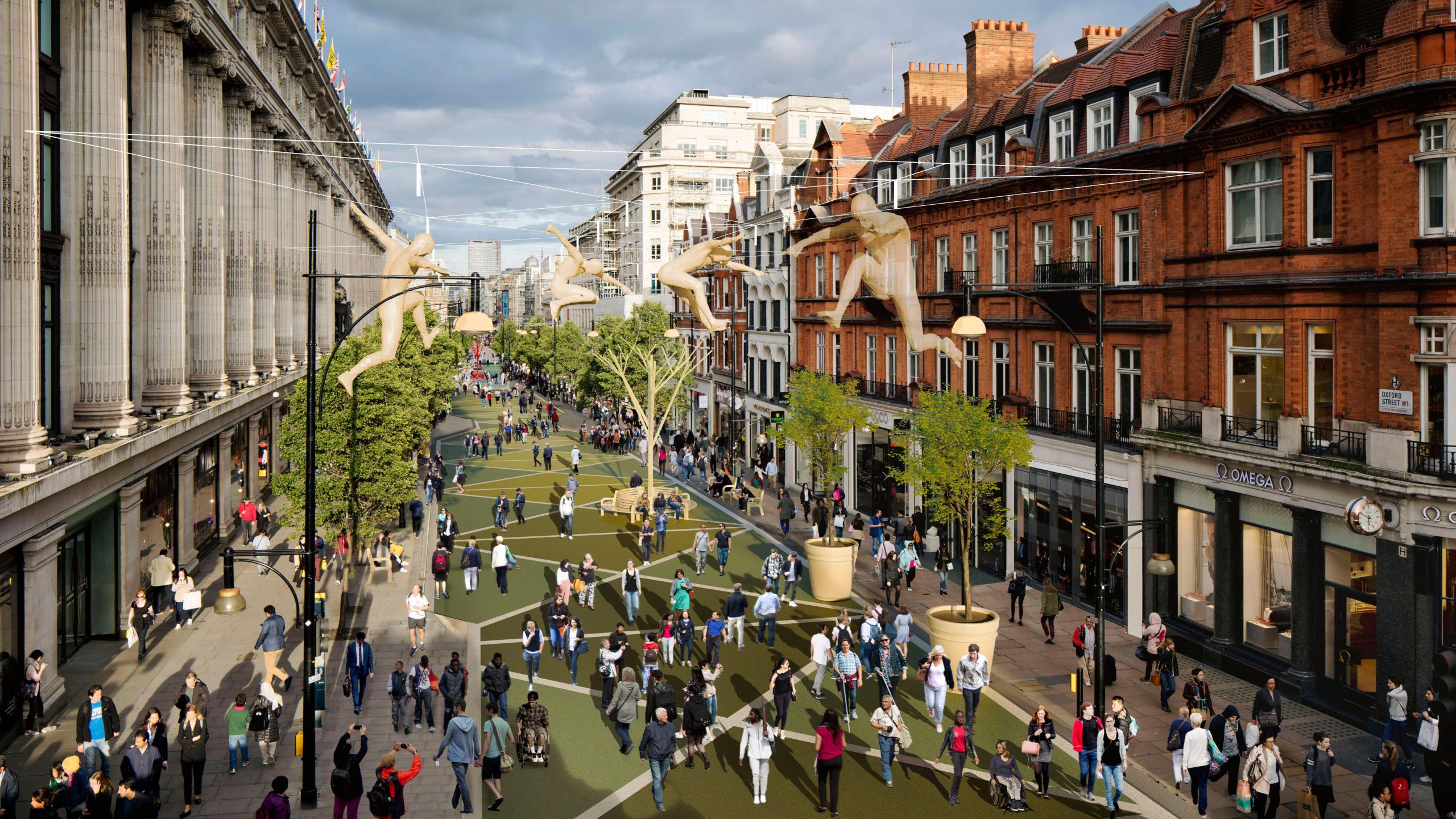
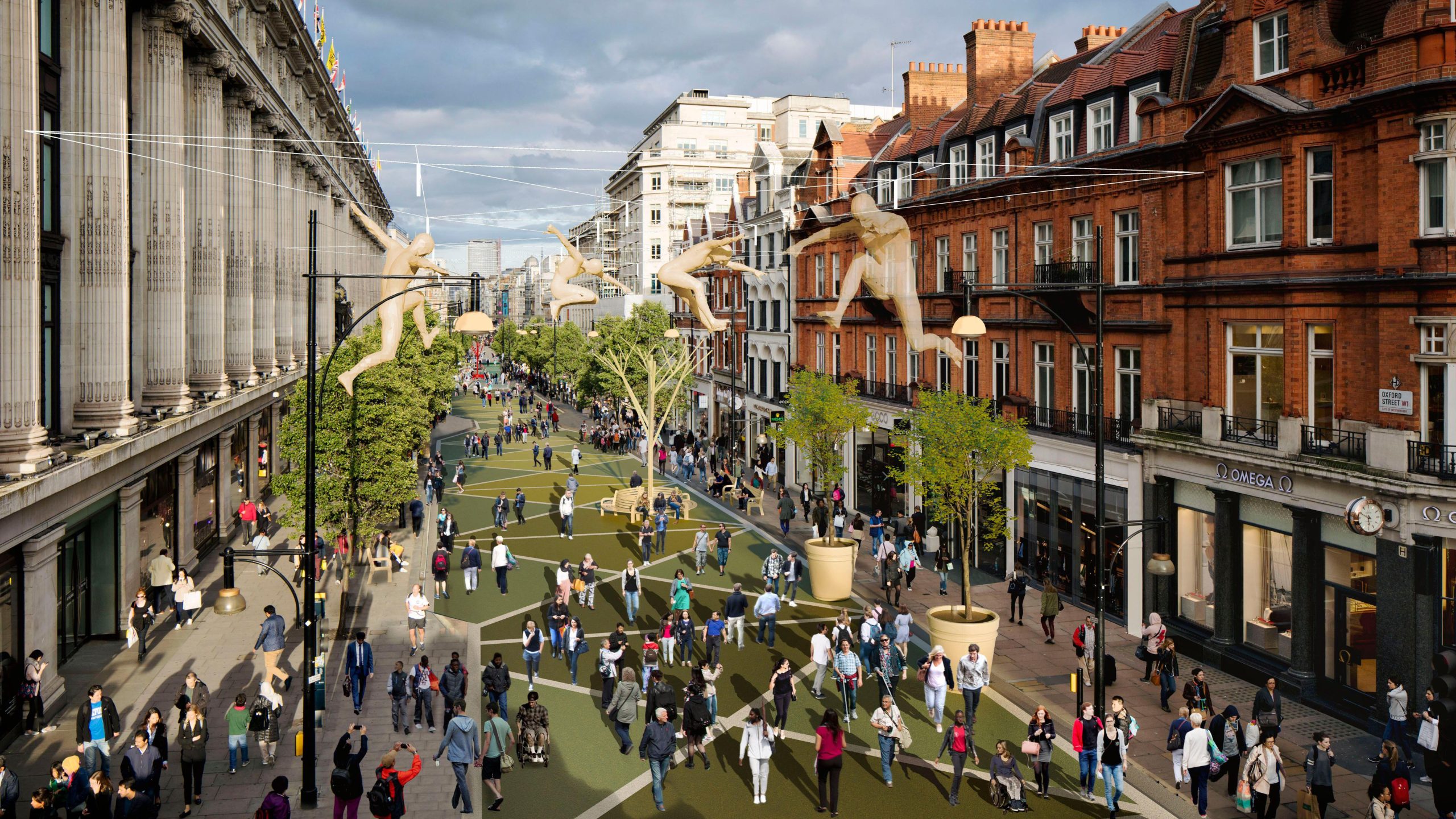
Oxford Street’s transformation into a traffic-free zone has sparked both excitement and debate among urban planners, environmental advocates, and local businesses. This initiative is set to reshape one of London’s most iconic retail districts into a fully accessible pedestrian avenue, enhancing the experience for millions of visitors each year. With a target completion year of 2026, this ambitious plan aims to prioritize pedestrians over vehicles, reclaiming a central part of the city for public use.
The Urban Landscape: Historical Context and Evolution
Understanding the relevance of Oxford Street within the broader context of London’s urban landscape requires a brief exploration of its historical evolution. Originally established as a major thoroughfare in the 15th century, Oxford Street has undergone numerous transformations, becoming known as a premium shopping destination by the late 19th century. The continuous influx of vehicles and pedestrians over the decades has raised significant concerns regarding air quality, noise pollution, and pedestrian safety. These challenges highlight the importance of discussions surrounding London’s Transport Policies aimed at creating a more sustainable urban environment.
The implications of these concerns have led to policy discussions around sustainable urban transport and public space management. Notably, a shift towards greener cities has gained momentum, prompted by increasing awareness of climate change and public health. In this light, the transformation of Oxford Street can be seen as part of a wider trend that cities are adopting globally, similar to several urban economy initiatives explored in various urban studies.
A Comprehensive Overview of the Proposed Changes
As the plans for a pedestrian-only Oxford Street unfold, various stakeholders have presented their viewpoints and analyses. Local councils, environmental groups, and business owners are shaping the conversation around how to best implement this change, weighing its potential benefits against concerns about logistics and economic repercussions. A comprehensive guide on urban life can provide additional insights into the dynamics at play.
Key Components of the Traffic-Free Initiative
The initiative will encompass several significant changes:
- Elimination of Motor Vehicles: Limiting vehicle access to specific times or banning it entirely.
- Enhanced Public Transport: Improvements in bus services, potential introduction of electric shuttle buses, and additional cycling lanes to provide alternative commuting options.
- Improved Pedestrian Infrastructure: Widening of sidewalks, installation of additional seating, landscaping, and public art to create an inviting environment.
- Smart Technology Integration: Installation of smart traffic signals, real-time public transport information displays, and improved Wi-Fi connectivity.
The table below summarizes the key components of the initiative along with their expected outcomes.
| Component | Description | Expected Outcome |
|---|---|---|
| Elimination of Motor Vehicles | Banning most vehicle access | Reduced congestion and pollution |
| Enhanced Public Transport | Improved bus and cycling infrastructure | Increased alternative commuting options |
| Improved Pedestrian Infrastructure | Wider sidewalks and public seating | Enhanced pedestrian experience |
| Smart Technology Integration | Real-time information systems | Improved efficiency in transport |
These foundational changes will not only contribute to enhancing the pedestrian experience but may also stimulate economic activity through increased foot traffic and longer dwell times, aligning with broader urban economic trends.
Analyzing the Benefits and Challenges of the Initiative
With ambitious plans come inevitable scrutiny. Assessing the potential benefits alongside the challenges is critical for a well-rounded understanding of this transformative initiative.
Potential Benefits
- Environmental Impact: Reduction in vehicular emissions will contribute to better air quality and lower noise pollution, aligning with city goals for sustainability. This aligns with ongoing projects addressing urban greening initiatives.
- Economic Opportunity: A safer and more attractive shopping environment could boost retail sales, benefiting local businesses.
- Social Cohesion: A pedestrian-friendly area fosters community interaction and serves as a public space for social gatherings.
- Health Benefits: Increased walkability contributes to improved public health, reducing reliance on automated transport.
Challenges and Concerns
- Business Adaptation: Local businesses may face challenges adjusting to pedestrianization if they lack sufficient marketing strategies to attract foot traffic.
- Transport Accessibility: Ensuring that accessible transportation options are well-integrated is crucial for those with mobility challenges.
- Maintenance Costs: The long-term costs associated with preserving public spaces could place a burden on local authorities.
- Public Opposition: Resistance from segments of the population, particularly those who depend on motor vehicles for access to the area, could complicate implementation.
The interplay between these benefits and challenges must be managed with careful strategic planning to ensure that the initiative meets its goals effectively.
Data-Driven Approach: Research and Analysis Methodology
To evaluate the potential impacts of Oxford Street’s pedestrianization, a robust analytical framework is crucial. This section details the methodology adopted for this assessment, emphasizing the importance of data accuracy and transparency, key aspects explored in urban development strategies.
Quantitative and Qualitative Data Collection
Data collection will be segmented into two primary methodologies:
- Surveys and Interviews: Engaging with local businesses, residents, and commuters through qualitative surveys and interviews to ascertain sentiment and anticipated challenges.
- Utilization of Traffic and Environmental Data: Employing historical data on foot traffic, vehicle counts, and air quality measurements to model the expected impact of the changes.
Performance Metrics Identification
Key performance indicators (KPIs) will track usability, environmental benefits, and economic activity post-implementation:
- Changes in foot traffic statistics
- Air quality index (AQI) changes pre- and post-pedestrianization
- Retail sales figures in the area
- Public transport utilization rates
This focused methodology allows for a comprehensive assessment of the initiative’s effectiveness and long-term viability.
Regulatory Framework and Market Considerations
Examining the regulatory backdrop vital for the pedestrianization project illustrates the legal and structural landscape governing urban planning in London.
Policy Framework
Key regulations include:
- London’s Transport Policies: Relevant frameworks governing transport and sustainability, including policies established by Transport for London (TfL).
- Local Economic Development Initiatives: Council strategies aimed at revitalizing urban areas through initiatives like pedestrianization and urban greening. For more insights, refer to earlier discussions around urban living.
Understanding this framework is paramount as it dictates the boundaries within which the project must operate.
A Practical Decision-Making Framework for Stakeholders
Stakeholder engagement will play a crucial role in successfully navigating the project’s complexities. Developing a clear decision-making framework can help alleviate concerns and transition smoothly toward a pedestrianized Oxford Street.
Stakeholder Engagement Strategy
- Local Businesses: Ongoing dialogue to ensure their voices are represented, providing them with market insights and collaboration opportunities.
- Community Engagement: Regular public consultations to update the community on project developments while soliciting feedback to adjust plans when necessary.
- Continuous Monitoring: Establishing a task force dedicated to tracking the initiative’s progress relative to KPIs and regulatory requirements.
This framework promotes inclusion and is crucial for building public support and ensuring the project’s success.
Identifying Risks, Limitations, and Trade-Offs
No initiative is without its risks, and the proposed changes to Oxford Street are no exception. A balanced assessment of possible downsides is necessary to prepare successful mitigation strategies.
Documenting Potential Risks
Some notable risks include:
- Business Disruption: Transitioning to a traffic-free zone might hinder immediate access for deliveries; however, timed deliveries can be regulated.
- Increased Crowding: An influx of pedestrians may lead to overcrowding during peak times, necessitating well-planned crowd management strategies.
- Economic Dependency: Local businesses becoming overly reliant on pedestrian traffic might encounter vulnerabilities during downturns or unforeseen circumstances.
Each risk should be continually evaluated, with adaptive responses planned to ensure robustness in implementation.
Building Trust Through Transparent Practices
Transparency will be critical to establishing trust among stakeholders throughout Oxford Street’s transformation. Documenting methodologies and maintaining open discussions fosters a collaborative environment.
Public Communication Strategies
- Regular Updates: Communicating progress and changes through diverse media channels to ensure transparency.
- Data Sharing Platforms: Offering access to traffic, pedestrian, and environmental data keeps stakeholders informed and engaged.
- Community Feedback Loops: Creating ways for locals to voice concerns and suggestions will cultivate a sense of ownership over the initiative.
By adopting these practices, all stakeholders can remain informed, thus enhancing the likelihood of success and acceptance.
In conclusion, the blueprint for a traffic-free Oxford Street presents an opportunity to redefine urban life in London. By prioritizing pedestrian needs, the city not only addresses environmental concerns but also enhances social and economic vitality. As the government and stakeholders begin to implement these changes, the potential for a vibrant, accessible urban center remains firmly within reach, provided the challenges and complexities are managed effectively.









Leave a Reply