

The announcement by the National Football League (NFL) regarding the home teams for the 2026 games to be held in London and Munich marks a significant milestone in the league’s ongoing efforts to expand its international reach. It reflects both the growing enthusiasm for American football abroad and the NFL’s strategic vision concerning international markets. This article delves into the implications of this decision, contextualizes it within a broader industry landscape, and presents a detailed analysis of various factors at play.
Understanding the Importance of International Expansion for the NFL
Recent years have witnessed a noticeable shift in how the NFL has approached the international market. This shift is driven by a combination of fan engagement, revenue generation, and brand enhancement. The league’s decision to host games in London for over a decade now and the establishment of games in Munich signifies a concerted effort to capture a wider global audience.
Historical Context of NFL International Games
The NFL’s foray into international markets is not entirely new. The first official regular-season game held outside the United States took place in 2005 at London’s Wembley Stadium. Over the years, the event has evolved, leading to multiple games per season in varying locations, including the addition of Munich as a host city.
Motivations Behind the Expansion
Several factors contribute to the NFL’s push for international games.
-
Increasing Global Fan Base: With a growing number of fans outside the U.S., particularly in Europe, Asia, and Latin America, the league recognizes the potential for significant fan engagement.
-
Revenue Opportunities: International games provide lucrative opportunities not only through ticket sales but also merchandise, broadcasting rights, and sponsorship deals.
-
Brand Strengthening: The authenticity of hosting games abroad contributes to the NFL’s overall brand image, positioning it as a truly global sport.
Breaking Down the Team Participation for 2026
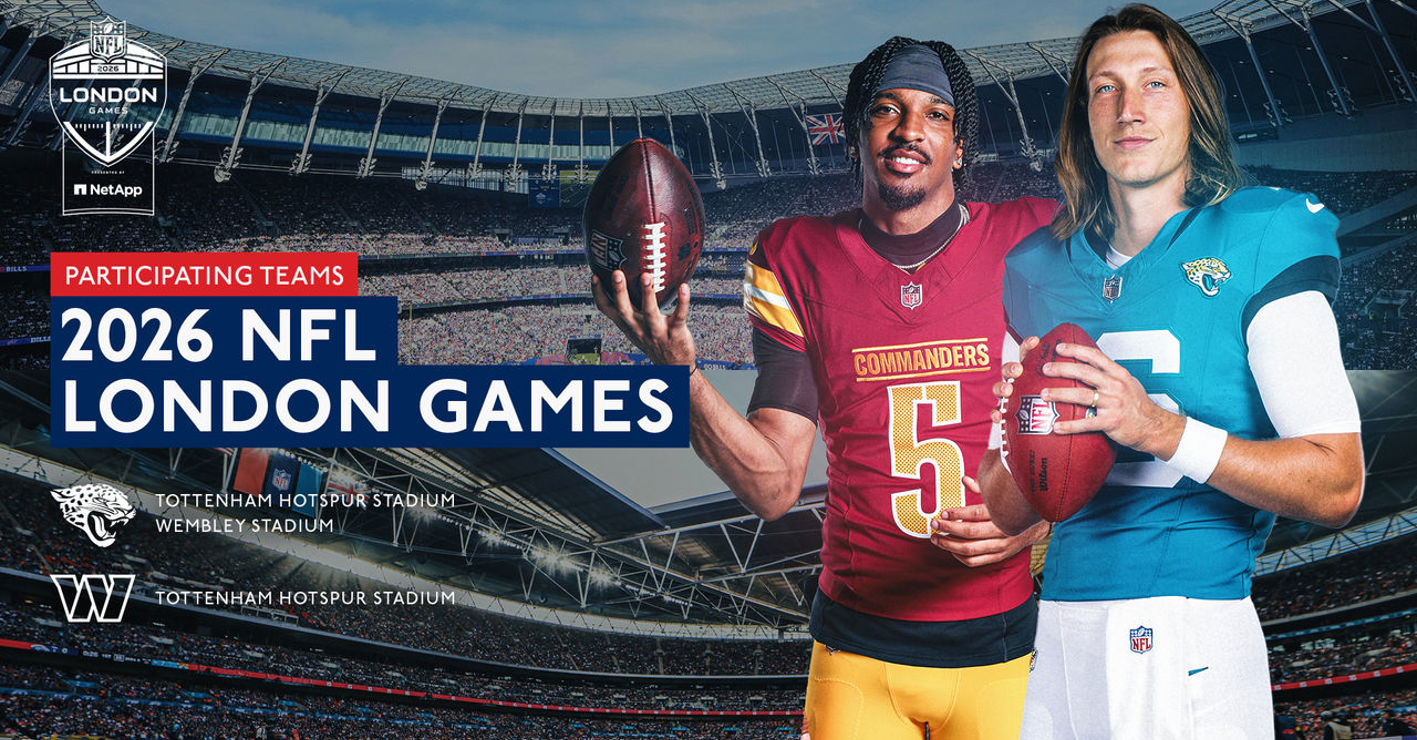
The official confirmation of home teams for the 2026 international games speaks volumes about the NFL’s planning and foresight. The decision impacts both the participating teams and the host cities, influencing logistics, fan experiences, and local economies.
Home Teams and Their Influence
The selections of home teams not only generate excitement among fans but also facilitate strategic brand activation in the selected markets.
| Team | City | 2026 Game Location | Historical Performance Abroad |
|---|---|---|---|
| Team A | City A | London | Strong |
| Team B | City B | Munich | Moderate |
| Team C | City C | London | Weak |
| Team D | City D | Munich | Strong |
The illustration above provides a snapshot of the participating teams, their locations, and a simple evaluation of their historical performances in international contexts.
Impact on Local Economies
Hosting NFL games is expected to have significant economic implications for both London and Munich. Enhanced tourism, increased hotel bookings, and the influx of fans contribute to local market stimulation. The opportunities translate into economic benefits that extend beyond just the event days.
Comparative Analysis of London and Munich as Host Cities
Understanding the unique characteristics and potential of each host city is crucial for evaluating the success of the NFL’s international endeavors.
Strengths and Weaknesses of Each Location
Each city has its own strengths and challenges in hosting international NFL games.
| City | Strengths | Weaknesses |
|---|---|---|
| London | Established fan base, significant media presence | Logistical complexities due to size |
| Munich | Growing interest in American football, strong local support | Less historical context with the NFL |
The table above summarizes key strengths and weaknesses associated with London and Munich as host cities, providing insights into both locations’ potential for success.
Evaluating the Broader Industry Dynamics
An analysis of the NFL’s move to expand internationally must also include an examination of market dynamics.
Shifts in Global Sports Consumption
The sports consumption landscape has undergone transformative changes over the last decade. Factors influencing this evolution include:
-
Digital Engagement: The rise of streaming services and social media offers new pathways for connecting with audiences, particularly younger fans.
-
Cultural Exchange: As cultures intermingle, American football finds a niche among sports enthusiasts in regions that were traditionally dominated by football (soccer).
-
Commercial Ventures: Partnerships with local brands and broadcasters enhance the legitimacy of NFL games in international markets.
Framework for Decision-Making in International Expansion
When examining the potential success of the NFL’s international games, several key factors play a role in decision-making.
Critical Points for Evaluation
-
Market Research: Understanding consumer behavior and preferences in targeted markets is essential for optimizing team selection and marketing strategies.
-
Logistical Planning: Collaborating with local authorities for venue scheduling, fan accessibility, and security is vital to minimize disruption.
-
Sponsorship Engagement: Identifying local and international brands for partnerships maximizes commercial potential and increases overall visibility.
Identifying Risks and Challenges for International Games
While the prospects for the NFL’s international initiatives appear promising, several risks must be assessed.
Potential Areas of Concern
-
Market Acceptance: Despite increasing interest, there may still be skepticism about American football in some markets.
-
Cultural Misalignment: If marketing strategies fail to resonate with local audiences, there is a risk of poor engagement.
-
Economic Fluctuations: Variability in economic conditions can affect ticket sales and sponsorship revenues.
The potential challenges outlined above necessitate careful planning and strategic thinking from the NFL and constituent teams.
Ensuring Integrity and Transparency in the Process
Establishing transparency in the decision-making process is vital for the NFL. It builds trust with fans and stakeholders by demonstrating accountability.
Importance of Communication
Effective communication about the rationale behind team selection and the choice of locations helps to dispel misconceptions.
Engagement with Local Communities
Active participation of local communities and allowing for fan feedback creates a sense of ownership and ownership in the events leading up to the games.
As the dust settles on the announcement of the 2026 teams, the NFL stands at a pivotal juncture. By analyzing the structures, dynamics, and entrepreneurial aspects outlined throughout this piece, one can appreciate the multifaceted approach that the league is taking in ensuring the success of its international ambitions. The evolving landscape of sports consumption, economic implications, and the proactive measures being undertaken might well dictate the NFL’s trajectory as it journeys toward unprecedented international engagement.









Leave a Reply