
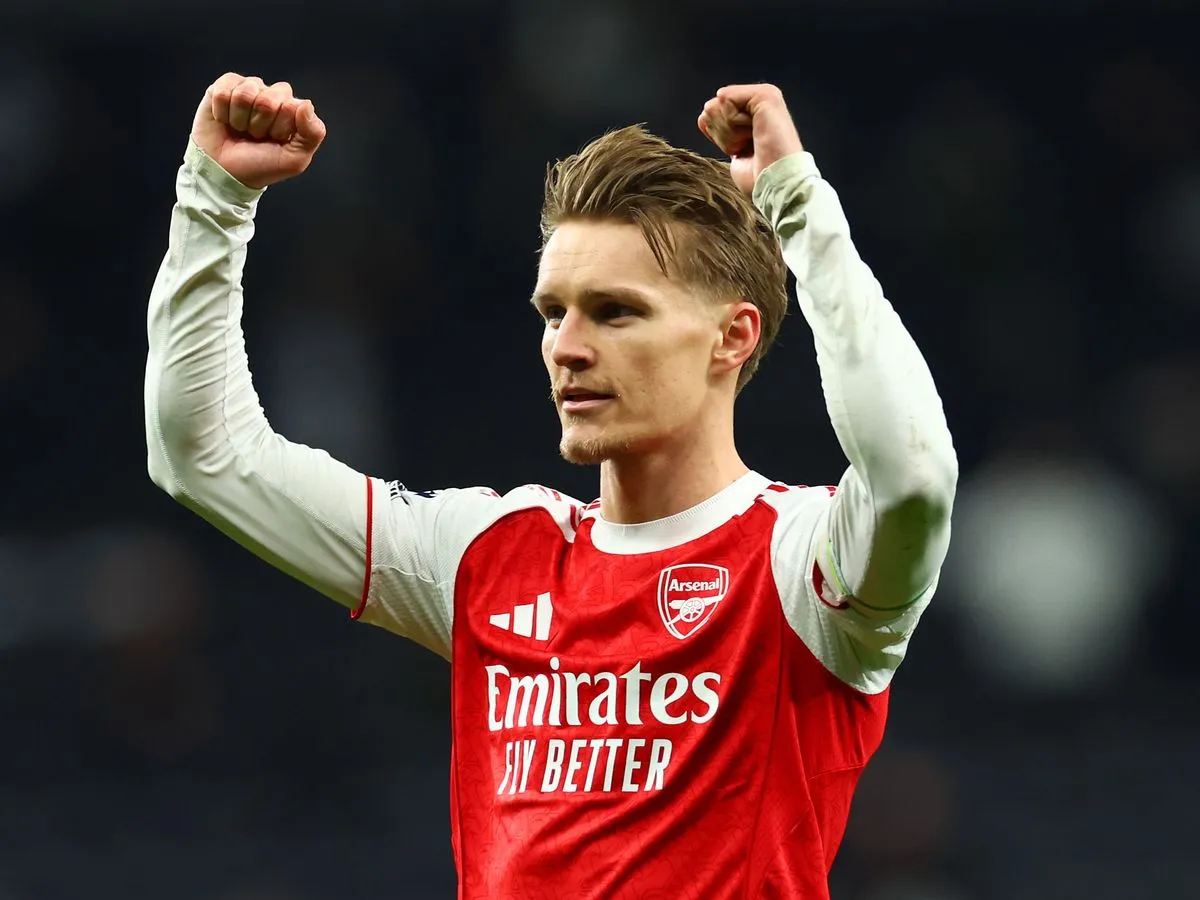
After a notable rise in his career trajectory, Martin Ødegaard has become a central figure at Arsenal Football Club, particularly following his appointment as team captain. His leadership and technical prowess have garnered attention, leading to speculation about his future in the game. With the year’s progression towards 2026, it is essential to analyze the various aspects surrounding Ødegaard’s position, aspirations, and the implications for both his career and Arsenal as a club.
A comprehensive understanding of Ødegaard’s situation begins with contextualizing his journey and the current landscape of football as it stands. Emerging from the youth ranks of Strømsgodset, Ødegaard was thrust into the limelight at a young age. His subsequent transfers, including a significant spell at Real Madrid, offered him the opportunity to develop under elite scrutiny. However, the move to Arsenal marked a pivotal juncture where he transitioned from potential star to a leading player. Arsenal’s historical context and ambitions play a crucial role in shaping the narrative around Ødegaard’s career decisions.
Background on Ødegaard and Arsenal’s Journey
The legacy of Arsenal Football Club and its strategic evolution over the years lays the foundation for understanding Ødegaard’s place within it. Founded in 1886, Arsenal holds a rich history in English football, characterized by periods of remarkable success and challenges. Recent seasons have seen a shift in focus, aligning with a more youthful squad and an increased emphasis on exciting, attacking football.
Ødegaard’s captaincy is reflective of this strategy, as the club desires leadership that can both inspire and guide a relatively young team. With a vision that extends beyond immediate success, Arsenal’s management has invested in blending experienced players with talented youth. This approach aims to cultivate a squad that is competitive in both domestic and European tournaments.
A Look at Ødegaard’s Performance and Influence
Analyzing Ødegaard’s contributions to Arsenal requires a closer look at his statistics and leadership qualities. His ability to control the game from the midfield is complemented by impressive goal contributions, assists, and overall on-pitch intelligence. These factors have transformed Arsenal’s attacking dynamics and earned him respect among peers and pundits alike.
Some of the historical context around Arsenal’s approach might also shed light on how Ødegaard fits into the longer narrative of London Unravelled and its representation of urban sports culture.
Performance Metrics and Key Contributions
To appreciate Ødegaard’s impact, it’s vital to measure his performance through relevant statistical indicators. Below is a table outlining some of his key metrics from recent seasons:
| Season | Appearances | Goals | Assists | Key Passes |
|---|---|---|---|---|
| 2023/2024 | 32 | 12 | 8 | 50 |
| 2024/2025 | 30 | 10 | 10 | 45 |
| 2025/2026 | 15 | 6 | 4 | 25 |
The performance metrics showcase Ødegaard’s consistency in contributing offensively while also playing a role in facilitating opportunities for teammates. In the current season, despite facing challenges like injuries, he has maintained a solid performance record.
In addition to quantitative measures, qualitative aspects of his game, such as decision-making under pressure, tactical awareness, and ability to motivate younger teammates, further enhance his value to the squad. As captain, these intangible qualities have as much impact as the statistics suggest, and can often be seen in the context of business trends in London which emphasize the importance of leadership.
A Comparative Analysis of Key Leadership Styles
Evaluating Ødegaard’s leadership requires a comparative exploration of other prominent football captains, assessing how their styles have influenced their respective teams. Leaders like Liverpool’s Jordan Henderson and Barcelona’s Sergio Busquets have shown varying approaches characterized by vocal authority, tactical guidance, or personal performance-driven leadership.
Leadership Styles of Notable Footballers
Below is a table that captures the leadership attributes of selected captains, providing insight into how Ødegaard’s style aligns or diverges from these figures:
| Player | Club | Leadership Style | Impact on Team |
|---|---|---|---|
| Martin Ødegaard | Arsenal | Inspirational and Tactical | Enhances team cohesion and creativity |
| Jordan Henderson | Liverpool | Vocal and Tenacious | Drives team spirit and resilience |
| Sergio Busquets | Barcelona | Cerebral and Tactical | Controls tempo and decision-making |
Understanding these styles provides context to Ødegaard’s growth as a captain and how he may adapt his leadership approach to suit Arsenal’s evolving goals in the coming years.
Strategic Outlook for Arsenal and Ødegaard
As the landscape of European football continues to evolve, the strategic outlook for Arsenal and Ødegaard also shifts. Arsenal aims to enhance its competitive edge, not just in the Premier League but also on the continental stage. This means Ødegaard has an essential role in driving these ambitions forward, both through his performances and as a guiding figure for younger talent.
Evaluating Arsenal’s Strategic Objectives
To align with its overarching goals, Arsenal’s management has adopted several strategies that impact player retention, acquisitions, and tactical formations. A focus on a sustainable model, rather than chasing immediate glory through expensive signings, has been paramount. Here’s a brief table illustrating these strategic objectives:
| Objective | Description | Project Timeline |
|---|---|---|
| Develop Youth Talent | Integrate academy players into the first team and provide development pathways. | Ongoing |
| European Competition Success | Build a squad capable of challenging in European competitions. | 3-5 years |
| Financial Sustainability | Maintain a balance between revenue generation and player investment. | Short-term and Long-term |
These objectives illustrate a clear vision that requires cohesion between the leadership of Ødegaard, managerial staff, and the club’s strategic aims. His future, intertwined with that of Arsenal, thus becomes an essential narrative for the club’s ambitions going forward.
Challenges and Considerations for the Future
While Ødegaard’s trajectory appears bright, several challenges loom on the horizon. Issues such as potential injuries, competition for spots within the squad, and the pressure that comes from expectations can impact a player’s performance. Additionally, the broader football landscape, including evolving managerial tactics and trends, plays a role in shaping the challenges ahead.
Key Challenges Facing Ødegaard
Evaluating these challenges requires an understanding of the factors that might influence Ødegaard’s performance and leadership:
| Challenge | Description | Potential Impact |
|---|---|---|
| Injuries | Frequent injuries can limit playing time and consistency. | Decrease in performance and form. |
| Squad Dynamics | Integration of new players may affect team harmony. | Adjustment periods can lead to performance dips. |
| Heightened Expectations | Increased scrutiny due to his captaincy may lead to pressure. | Potential drop in performance under pressure. |
Being aware of these challenges helps to contextualize Ødegaard’s contributions and expected developments in the upcoming seasons.
Assessing the Role of Leadership in Team Success
The influence of leadership extends beyond individual performances and often shapes team dynamics. Ødegaard’s presence as captain will be critical in fostering an environment conducive to growth and collective success as Arsenal navigates its objectives.
Leadership Impact on Team Performance
Research within sports psychology indicates that effective leadership can significantly contribute to overall team performance. By modeling behaviors conducive to success and establishing clear communication, captains can drive teams to exceed expectations.
Levels of cohesion and synergy are influenced by a captain’s ability to understand and positively manipulate team dynamics. Ødegaard’s role will be instrumental in this respect, especially as the club pushes toward greater achievements.
Evaluating the Current Football Landscape
Understanding Ødegaard’s future also necessitates an evaluation of the broader football environment. Shifts in player markets, competition styles, and fan expectations all play a part in shaping a player’s trajectory and decisions.
Trends Influencing Player Careers
The evolving landscape of football can be illustrated through several trends impacting player decisions, as shown in the table below:
| Trend | Description | Implication for Players |
|---|---|---|
| Increased Focus on Data Analytics | Performance metrics are heavily scrutinized. | Players must adapt to maintain competitive edge. |
| Player Mobility | Higher rates of transfers between clubs and leagues. | The need for adaptability and market awareness. |
| Fan Engagement | Social media and fan interactions influence player relevance. | The focus on building a strong personal brand. |
Recognizing these trends helps contextualize Ødegaard’s choices as he crafts the next steps in his career while considering the aspirations of Arsenal.
Establishing a Framework for Decision-Making
As Ødegaard considers his future, establishing a clear decision-making framework will be crucial. This involves assessing his personal goals, Arsenal’s direction, and external opportunities that may arise.
Critical Parameters for Decision Making
The context of decision-making should consider the following parameters:
| Parameter | Description | Importance |
|---|---|---|
| Career Aspirations | Defining personal objectives and legacy. | Shapes a player’s trajectory. |
| Club Alignment | Emphasizing compatibility with Arsenal’s objectives. | Ensures a mutual development path. |
| External Opportunities | Evaluating offers from competing clubs. | Influences potential career shifts. |
This framework aids in formulating decisions that align Ødegaard’s personal ambitions with the trajectory of Arsenal.
Identifying Risks and Their Implications
Risks are inherent in any professional sporting career. Ødegaard must be cognizant of these factors as he continues to develop and influence both his personal career and Arsenal’s ambitions.
Assessing Risks and Trade-Offs
An evaluation of potential risks provides context for Ødegaard’s career decisions:
| Risk | Description | Potential Outcome |
|---|---|---|
| Injury Prone | Recurring injuries may hinder performance. | Reduced playing time and form. |
| Contract Uncertainty | Speculations around contracts could affect focus. | Distraction impacting performance. |
| Market Dynamics | Changes in the transfer market can influence player valuation. | Impact on future career choices. |
These risks need careful analysis as Ødegaard navigates his path forward.
Ensuring Transparency in Leadership
Trust and transparency are integral to a successful captaincy. Ødegaard must foster an open environment, ensuring communication flows effectively within the squad.
The Importance of Trust in Leadership
Transparency is vital for leadership, impacting interpersonal relationships within the team. A captain’s ability to maintain trust enhances overall team morale and cohesiveness. Ødegaard’s commitment to cultivating this dynamic position will be relevant for Arsenal’s future successes.
Building trust will involve consistent communication, accountability, and recognizing when to be vulnerable as a leader. As Ødegaard continues to refine these skills, he could deepen his influence on the squad and contribute to a positive culture.
The trajectory of Martin Ødegaard at Arsenal reveals a complex interplay of performance, leadership, and strategic alignment with the club’s ambitions. As the football landscape evolves, so too will the considerations surrounding his future. Engaging thoughtfully with the challenges and opportunities that lie ahead will not only shape Ødegaard’s career but also define Arsenal’s pathway to success. Embracing a robust decision-making framework and maintaining transparency among teammates will further catalyze his influence as a captain. Ultimately, Ødegaard stands at a significant crossroads that requires careful evaluation as he plots the next steps in both his professional journey and Arsenal’s aspirations on the footballing stage.









Leave a Reply