
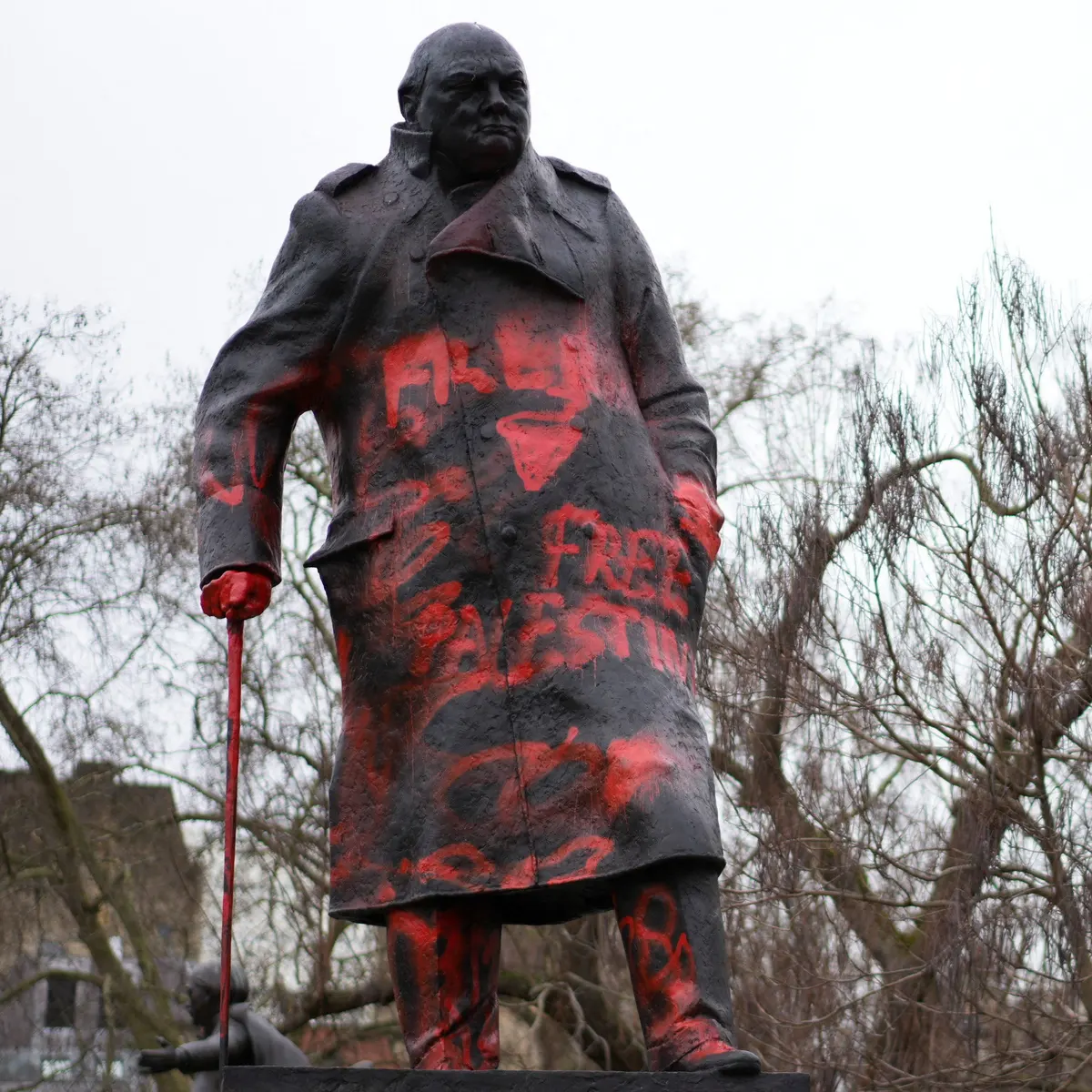
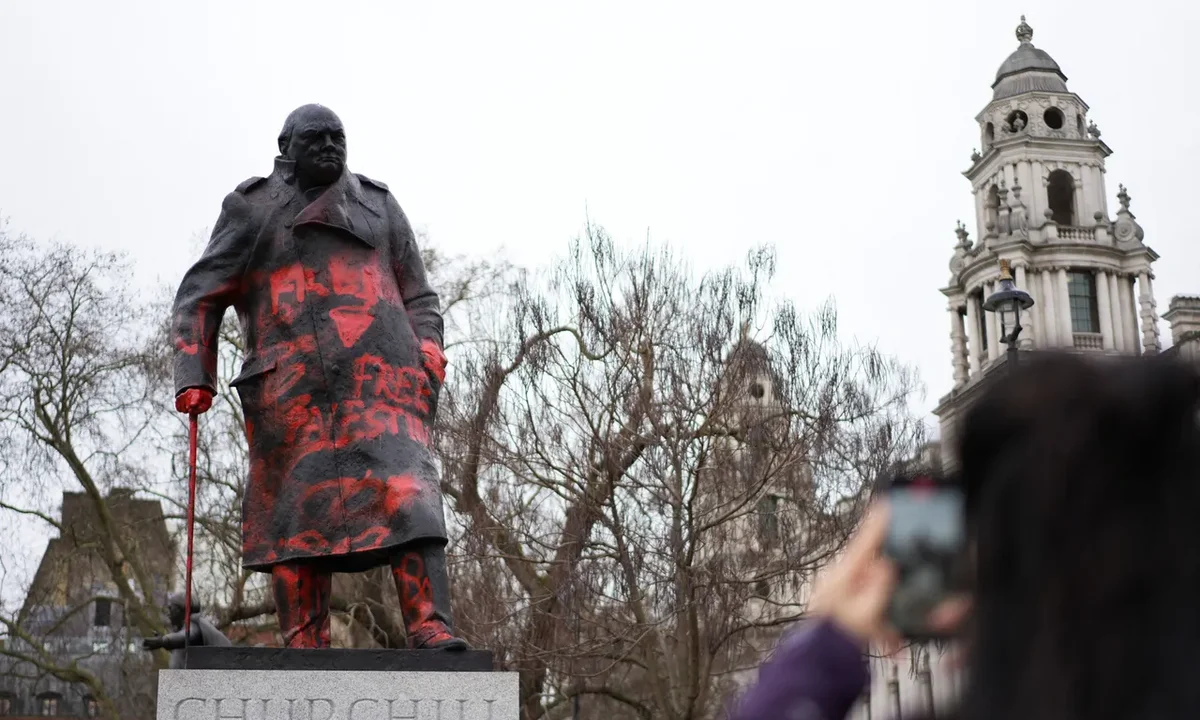
In recent years, public monuments have faced increasing scrutiny, culminating in acts of vandalism, protests, and discussions surrounding their historical significance and societal implications. One of the most notable incidents occurred in 2026 when a man was charged with criminal damage for spraying graffiti on a statue of Winston Churchill. This event is emblematic of a larger cultural discourse, raising questions about heritage, memory, and the evolving values of contemporary society.
This article aims to delve into the background surrounding public commemorations like the Churchill statue, the motivations for acts of vandalism, and the implications of such actions within the context of institutional and societal frameworks. By examining the intersection of history, politics, community sentiments, and legal ramifications, this piece seeks to present a comprehensive analysis of a complex issue that affects various stakeholders.
Historical Context and Significance of Monuments
Monuments serve as material markers of history, often signifying collective memory and identity. The Churchill statue in London, for example, represents not just the man himself but also the values and decisions that have shaped the United Kingdom’s trajectory during World War II.
Many monuments, however, have become controversial as modern values clash with historical narratives. In the case of Churchill, views are polarised; he is lauded by some as a hero while others criticize his colonial policies and viewpoints. This nuanced understanding of historical figures is critical in navigating the landscape of public memory.
Churchill’s Legacy
Winston Churchill remains a polarizing historical figure. His leadership during World War II established him as a national icon. Nevertheless, his legacy is indelibly marked by a number of contentious decisions made throughout his career, particularly regarding colonialism.
While supporters view him as a symbol of resilience, critics argue that his policies inflicted lasting damage on various colonized nations, bringing to the fore ethical questions about historical representation in public spaces. Churchill Statue in London Defaced with Anti-Israel Messages: Socio-Political Ramifications
Public Perception of Statues
Public sentiment surrounding monuments reflects broader societal attitudes. The rise of anti-colonial movements, discussions around systemic racism, and evolving views on justice have triggered debates about whose histories are honored in public spaces. Statues, once viewed as fixed representations of history, are now scrutinized and contested.
The desire for representation and fairness in what is memorialized often propels actions against those perceived as emblematic of oppression or injustice. Such dynamics contribute to the increasing instances of acts like the graffiti incident involving the Churchill statue. Suspect Arrested After Churchill Statue Defaced with Pro-Palestinian Graffiti in London
Overview of the Incident and Legal Charges
In early 2026, an individual was apprehended following the defacement of the Churchill statue in London. Charged with criminal damage, the case brought to light not only the act itself but also the motivations underlying such vandalism.
The individual, whose identity was not widely publicized, reportedly stated that the act was a form of protest against what they perceived to be the glorification of a controversial figure. This incident reflects a growing trend among activists challenging the status quo in historical narratives and public representation.
Legal Framework Surrounding Vandalism
Acts of vandalism, particularly those targeting public property, typically fall within the purview of criminal law. In the U.K., the law defines criminal damage as intentionally destroying or damaging property belonging to another person. This definition encompasses various forms of vandalism, including graffiti.
Consequently, those charged can face serious penalties, including fines or imprisonment, depending on the severity of the damage. The law seeks to balance the right to free expression against the need to preserve public property and ensure community safety.
Public Reaction to the Charges
Responses to the charges were mixed, illustrating the range of opinions about the act. Advocates for free speech celebrated the act as a bold statement against oppressive histories, while others emphasized the legality of public displays and the importance of preserving national monuments.
Social media became a battleground for differing views, reinforcing echo chambers that reflect wider societal polarization on issues involving history and memorialization.
Analyzing the Broader Context of Monumental Vandalism
The incident involving the Churchill statue is not an isolated case but part of a larger trend. The past few years have seen numerous public statues defaced or removed, often accompanied by public debate.
In this context, it is essential to evaluate the social, cultural, and regulatory factors at play. By understanding the underlying motivations for such acts, stakeholders can better navigate community sentiments and the political landscape surrounding public monuments. Man Arrested After London Winston Churchill Statue Defaced with ‘Zionist War Criminal’ Graffiti
The Role of Activism in Contemporary Society
Activism surrounding statues often symbolizes broader struggles for equity and justice. Defacement or calls for removal frequently arise during moments of heightened social awareness, as seen with movements such as Black Lives Matter.
This activism reflects a societal push to confront histories of colonialism, racism, and injustices often overlooked in mainstream narratives. Consequently, these incidents may serve as catalysts for wider discussions about historical figures, representation, and community identity.
Regulatory and Structural Framework Considerations
The legal system functions within a broader societal framework that shapes public attitudes toward monuments. Policy responses to vandalism can vary significantly, influenced by local governance, community engagement, and legal precedents.
A robust dialogue surrounding the preservation and reinterpretation of public statues may lead to a more nuanced understanding of history, ultimately fostering a culture of inclusivity and dialogue rather than discord.
The Impact of Local Governance
Local government plays a pivotal role in determining the fate of public monuments. Policies regarding maintenance, preservation, and removal are influenced by public consultations, legal frameworks, and community sentiment.
As communities engage in discourse about their collective memory, local authorities may need to adapt their strategies to accommodate diverse opinions, thus fostering a more resilient societal framework.
A Framework for Decision-Making in Monumental Affairs
To navigate the complexities surrounding public monuments, a structured decision-making framework is essential. This framework should consider historical context, community sentiment, legal implications, and future implications for cultural identity.
Such frameworks can facilitate constructive dialogues among stakeholders, leading to resolutions that consider both remembrance and restorative justice.
Integrative Decision-Making Approaches
Integrative decision-making encompasses various perspectives to ensure all voices are represented. This approach can lead to solutions that honor affected communities while retaining important historical narratives. Stakeholders may include historians, community representatives, local authorities, and legal experts, collectively working towards equitable resolutions.
By prioritizing engagement and dialogue, communities can address historical grievances while also recognizing the multifaceted nature of their shared heritage.
Identifying Risks and Limitations in Monumental Management
While efforts to reassess public monuments are vital, they are not without pitfalls. Challenges may arise, including societal backlash, politicization of the discourse, and navigating the complexities of historical interpretation.
Understanding these risks is essential for developing strategies that foster constructive engagement while minimizing conflict.
Potential Backlash from Monumental Reassessment
Efforts to re-evaluate monuments can yield divided public opinion, where supporters and detractors clash over interpretation. These tensions may lead to polarization, prompting protests or acts of defiance that undermine dialogue efforts.
Navigating these risks requires a sensitive approach that acknowledges the emotional and historical weight of such discussions.
Limitations of Current Legal Frameworks
Existing laws may not adequately encompass the complexities surrounding public monuments, leaving gaps that can be exploited by individuals on either side of the debate. This inadequacy underscores the need for legislative reform that considers a broader spectrum of community values and heritage.
Such reforms could strengthen public governance and offer clear guidelines on how communities can navigate the preservation and re-evaluation of public monuments.
Building Trust and Transparency in the Public Sphere
Trust remains crucial when navigating contentious issues surrounding public monuments. Stakeholders must prioritize transparency in their decision-making processes to foster public confidence and community engagement.
When communities feel included in discussions concerning their representation, they are more likely to embrace solutions that address diverse historical narratives.
Engaging Communities in Decision-Making Processes
Fostering engagement through public forums, surveys, and consultations can provide valuable insights into community sentiment. By proactively seeking input, local authorities can develop policies that reflect the values and desires of their constituents.
Such participatory approaches are critical in ensuring that communities feel a sense of ownership over their public spaces and that their histories are represented authentically.
Tables and Lists: Insights into the Public Monument Landscape
Understanding the dynamics surrounding public monuments can be illuminated through data analysis. The following table summarizes key incidents of vandalism targeting monuments over the past few years, highlighting trends and community responses.
| Year | Location | Monument | Action Taken | Public Reaction |
|---|---|---|---|---|
| 2020 | London | Colston Statue | Removed by local authorities | Mixed; widespread support for removal |
| 2021 | New York | Lincoln Statue | Graffiti vandalism | Activist support, condemnation of vandalism |
| 2022 | Richmond | Confederate Monument | Toppled by protesters | Broad support for removal as a statement of justice |
| 2023 | London | Churchill Statue | Graffiti vandalism | Divided public opinion; legal charges filed |
| 2024 | Seattle | Ironworkers Memorial | Defaced | Community calls for dialogue around memorialization |
This table illustrates the growing trend of public scrutiny over commemorations, reflecting shifting values and the evolving landscape of social justice.
Collectively, these incidents underscore a fundamental challenge: how to reconcile historical narratives with contemporary community values.
Each incident highlights varying public reactions, demonstrating the complexities involved in the ongoing debates over public representation.
Ultimately, this analysis serves as an invitation to engage in more profound conversations about history and commemoration. The intersection of activism, legal frameworks, cultural identity, and community sentiment is rich with insights that can inform future decision-making processes.
While the vandalism of public monuments can signal societal discontent, it can also prompt essential dialogues about how we choose to remember our pasts and shape our futures. By engaging communities and fostering transparency in the decision-making process, society may navigate these complexities toward a more just historical representation.








Leave a Reply