
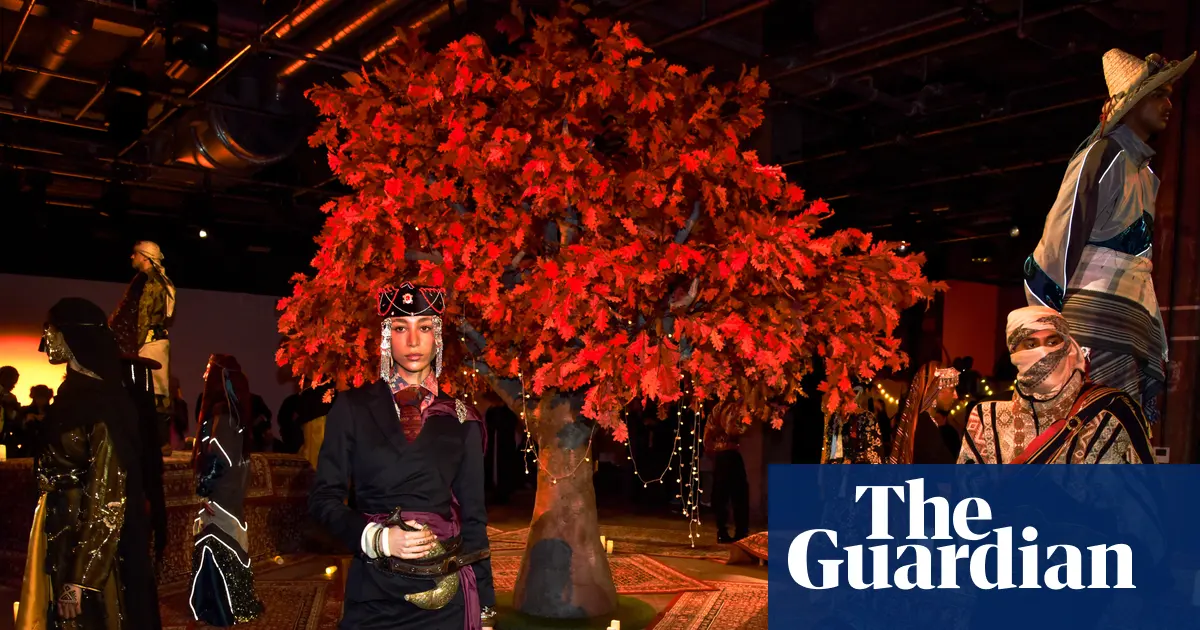
In recent years, the intertwining of cultural celebrations and the fashion industry has sparked intriguing developments, particularly at global fashion events. One noteworthy evolution is the recognition of Ramadan within the context of London Fashion Week. As diverse communities continue to blend traditional and contemporary practices, this intersection has become both a cultural phenomenon and a business opportunity. This article delves into the implications of this change, examining industry trends, market dynamics, and cultural considerations.
The Rise of Cultural Inclusivity in Fashion Events
The inclusion of Ramadan in London Fashion Week reflects a broader trend of cultural inclusivity within the fashion industry. As cities become increasingly multicultural, the demand for representation in fashion shows has grown substantially. This section explores the historical evolution of inclusivity in fashion, particularly focusing on how it applies to religious observances such as Ramadan.
A Historical Perspective on Fashion and Cultural Representation
Historically, fashion has often been criticized for its lack of diversity and representation. Major fashion weeks predominantly showcased Western aesthetics, sidelining cultural expressions from minority communities. The late 20th and early 21st centuries, however, witnessed a shift, as designers from various ethnic backgrounds entered the mainstream spotlight. Brands slowly began to recognize the importance of inclusivity, leading to events that highlighted cultural celebrations, including Ramadan.
The Role of Social Media in Advocacy for Diversity
Social media platforms have significantly amplified voices that advocate for diversity in fashion. Users share their own styles and cultural attire, often mobilizing collective support for brands that align with a more inclusive vision. This dynamic has played a pivotal role in shaping consumer expectations around representation, culminating in scenarios like Ramadan gaining a place in prestigious fashion events such as London Fashion Week.
An Executive-Level Overview of the Fashion Industry’s Response
The recognition of Ramadan at London Fashion Week is not merely a response to public sentiment; it represents a strategic pivot by established brands and emerging designers alike. This section provides a comprehensive overview of how leading fashion houses and new designers adjust their strategies to embrace cultural events.
Mainstream Brands Embracing Ramadan
High-profile brands have begun unveiling special collections that cater to Muslim consumers during Ramadan. These efforts reflect broader objectives, including tapping into a lucrative market segment that constitutes a significant demographic in the UK.
Niche Designers and Cultural Heritage
Emerging niche designers have seized the opportunity to create pieces specifically for Ramadan, often blending traditional silhouettes with modern aesthetics. These designers emphasize cultural heritage while appealing to contemporary fashion sensibilities. The unique offerings from this segment have raised awareness of the value of niche markets in the fashion ecosystem.
A Comparative Analysis of Market Dynamics
Given the rapidity of change in fashion, understanding market dynamics between various consumer segments is crucial. This comparative analysis investigates how Ramadan collections measure up against other cultural collections within the same timeframe.
What this table illustrates is a growing interest in Ramadan collections, which not only show higher sales growth compared to other culturally themed collections but also attract significant consumer engagement. These patterns underscore how brands have generally responded to cultural trends within the fashion sphere.
Detailed Analytical Insights into Consumer Behavior
Examining consumer behavior during Ramadan reveals the motivations behind purchasing decisions. Multiple factors shape how individuals engage with fashion during this month, each with a nuanced impact on the purchasing landscape.
The Muslim demographic in the UK encompasses a diverse range of ethnic backgrounds, each bringing its own distinct traditions related to Ramadan. This diversity means that consumer behavior can differ significantly based on cultural interpretations of religious practices, influencing purchasing decisions during this period.
Purchasing Habits and Trends
During Ramadan, consumers often prioritize modest clothing that aligns with their beliefs while still being fashion-forward. Notably, the appeal of modest fashion has extended beyond the Muslim community, drawing attention from individuals seeking alternative styles that emphasize elegance without compromising personal values regarding modesty, akin to broader urban trends.
Methodological Approach to Data Collection
A robust methodology is essential for understanding the influence of Ramadan on fashion. This section outlines the systematic approach taken to gather data relevant to this topic.
Data Sources and Collection Techniques
Primary data was gathered through targeted surveys and interviews with industry experts, designers, and consumers. Additionally, secondary data consisted of sales reports and market analysis from established fashion journals. This triangulation of data sources enhances the reliability of the findings.
Analysis of Key Metrics
Quantitative analysis focused on metrics such as sales growth percentages and customer engagement levels. Qualitative data was derived from insights gained during interviews, allowing for a more nuanced understanding of consumer motivations during Ramadan.
The Intersection of Regulation and Market Frameworks
Understanding the regulatory frameworks that govern fashion and retail is vital, particularly as they relate to celebrating cultural traditions. This section provides context on how regulations affect industry practices concerning cultural representation.
Legal Considerations in Fashion Marketing
In the UK, laws related to equality and discrimination play a crucial role in regulating how brands position their products during culturally significant periods like Ramadan. Brands must navigate complex legal frameworks to ensure they promote inclusivity without offending cultural sensibilities.
Market Frameworks and Their Implications
Market frameworks influence how brands approach cultural celebrations, including Ramadan. Retailers run campaigns and collections programmed to resonate with target audiences while adhering to both legal and ethical standards. The implications of these frameworks are evident in the willingness of retailers to innovate and adapt to changing demands.
Evaluating Risks and Potential Trade-Offs
As with any strategic pivot, the inclusion of Ramadan collections at London Fashion Week presents a series of risks and trade-offs. Evaluating these factors is crucial for brands looking to balance cultural sensitivity with commercial opportunity.
Cultural Appropriation vs. Cultural Appreciation
One of the most pressing risks for brands is the potential perception of cultural appropriation. It is essential for designers to strike a balance between appreciation and appropriation, ensuring that they honor cultural traditions rather than profit from them superficially.
Market Saturation and Brand Differentiation
With the rise of Ramadan-themed collections, the risk of market saturation also increases. As more brands enter this space, achieving differentiation becomes vital. Failure to stand out could lead to diminished returns and reduced consumer interest over time.
Building Trust through Transparency in Fashion
To foster long-lasting relationships with consumers, brands must prioritize trust and transparency. This section discusses the importance of communicating ethical practices and cultural sensitivity in fashion.
The Significance of Ethical Sourcing and Production
Brands that prioritize ethical sourcing and production not only enhance their reputation but also build trust among conscious consumers. Transparent communication about sourcing practices, production standards, and labor conditions is imperative, particularly for brands targeting diverse cultural groups.
Engagement through Authentic Storytelling
Authentic storytelling plays a crucial role in connecting with consumers, particularly during culturally significant times like Ramadan. Brands that effectively communicate their commitment to honoring cultural traditions while offering creative, thoughtful designs will likely cultivate stronger consumer loyalty.
In conclusion, the integration of Ramadan into London Fashion Week serves as a powerful manifestation of changing dynamics within the fashion industry. By navigating a complex interplay of cultural representation, consumer behavior, and market demands, designers and brands alike are contributing to a more inclusive and dynamic fashion landscape. As Ramadan becomes a fixture of even broader fashion conversations, the response of both industry stakeholders and consumers will shape future opportunities and challenges in the sector.







Leave a Reply