
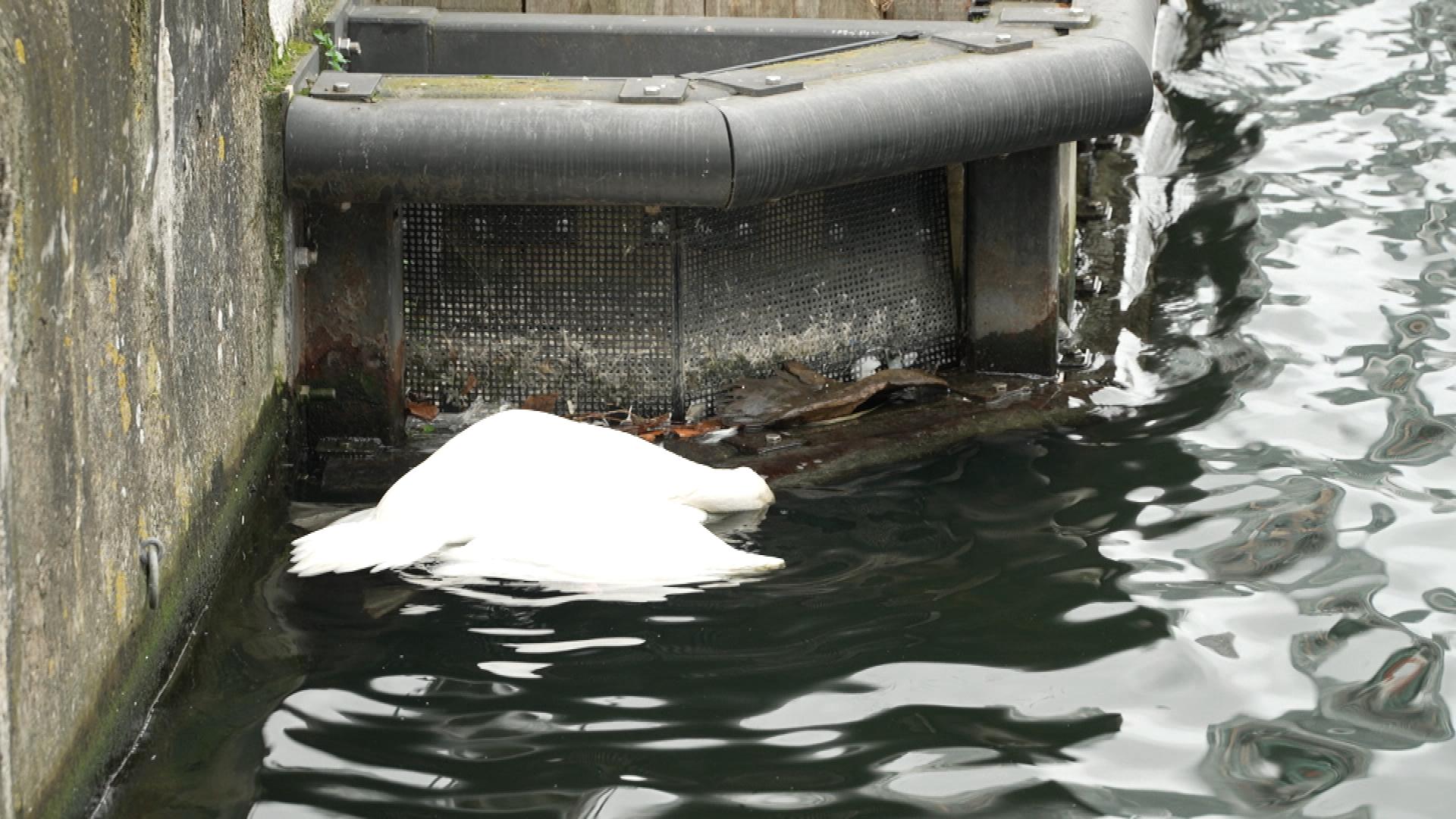
In early 2026, reports surfaced of dozens of swans found dead in London’s Docklands area, raising significant alarm among wildlife experts, regulators, and the general public. The troubling incidents were quickly attributed to a resurgence of avian influenza, commonly known as bird flu. This phenomenon not only highlights the vulnerabilities within avian populations but also draws attention to broader environmental and public health implications. Understanding the context behind this outbreak requires a thorough examination of avian influenza itself, the regulatory environment, and the interconnectedness of wildlife, public health, and environmental management.
Understanding Avian Influenza: A Background Overview
Bird flu, particularly the H5N1 strain, has generated notable concern within environmental and health sectors. Originating in waterfowl, this virus can be transmitted to a range of bird species and, in rare cases, mammals and humans. The 2026 outbreak in London is part of a recurring pattern wherein fluctuating temperatures and increased human-wildlife interactions exacerbate the risks of zoonotic diseases. Factors such as climate change, urban density, and agricultural practices play critical roles in population dynamics and the spread of infectious diseases. For more information on urban impacts and economic trends in relation to wildlife, see Business in London & the UK – Urban Economy & Trends.
History and Evolution of Bird Flu
Avian influenza has been documented since as early as the 1870s, but it wasn’t until the late 20th century that strains capable of crossing species barriers emerged. The evolution of the virus is ongoing, with increasing reports of highly pathogenic strains. Understanding its history underscores the complexity of managing wildlife health given the interrelated nature of ecosystems. The implications for urban wildlife can be further explored in London Walks & Local Places – City Routes and Stories.
Global Impact and Implications
Globally, bird flu has led to mass culls in poultry, significant economic loss, and public health scares. The outbreaks in Asia and Europe prompted earlier responses that shaped the current regulatory frameworks. In 2026, the recurrence of dead swans in London presented a case study for examining these global patterns, reinforcing the need for international cooperation in monitoring and controlling avian influenza. A look into London & UK Finance – Markets, Money and Personal Finance indicates the economic repercussions of such outbreaks in the UK.
A Recent Incident: The Docklands Cases Explored
The alarming discovery of deceased swans in London necessitates a detailed inquiry into the circumstances surrounding these events. The Docklands, characterized by its waterways and proximity to urban development, serves as a critical habitat for avian species but also poses unique challenges to wildlife management.
Description of the Outbreak
Initial examinations indicated that the swans exhibited symptoms consistent with avian influenza, corroborating assertions by wildlife officials. Surveillance statistics revealed an uptick in incidences of bird flu within the region, correlating with rising ambient temperatures and wet weather conditions – factors conducive to viral persistence in the environment. The challenges posed by such environmental factors are significant, as discussed in London & UK Lifestyle – Culture, Trends, Food, Fashion, Events and Urban Living.
Public Health Concerns
While the direct threat of bird flu to human health remains low, public apprehension tends to amplify during such outbreaks. Efforts to inform the public about the virus, its transmission, and protective measures are essential in mitigating risk and dispelling misinformation. Understanding public perception is crucial, as highlighted in London & UK Main News – City Updates, Culture & Urban Stories.
A Comprehensive Evaluation of Regulatory Frameworks
Understanding the regulations that govern wildlife health is crucial for effective management of such outbreaks. The interplay between local, national, and international policies significantly impacts response times and resource allocation.
Existing Regulations on Wildlife Health
The European Union’s Animal Health Law sets stringent guidelines for monitoring and controlling animal diseases, including bird flu. In the UK, post-Brexit regulations adapted these frameworks, emphasizing active surveillance and prompt reporting of suspected outbreaks. The alignment between policies and disease management strategies plays a pivotal role in protecting avian populations. This can also relate to recent discussions in London & UK Politics – City and National Affairs.
Challenges in Implementation
Despite existing regulations, several barriers hinder effective implementation. Resource limitations, particularly in funding for surveillance programs and public engagement initiatives, present ongoing challenges. Additionally, bureaucratic delays can impede rapid response in times of crisis.
A Structured Analysis of Available Data and Trends
A detailed examination of data surrounding the 2026 incidents reveals significant trends that warrant discussion. The following table summarizes crucial statistics related to bird flu cases across the UK during the past five years, offering insights into patterns and potential predictions.
| Year | Number of Cases | Species Affected | Response Actions Taken |
|---|---|---|---|
| 2021 | 15 | Various wild birds | Monitoring and culling |
| 2022 | 30 | Predominantly waterfowl | Culling and public awareness |
| 2023 | 50 | Swans and ducks | Increased surveillance |
| 2024 | 20 | Geese and pigeons | Vaccination trials |
| 2025 | 10 | Limited to isolated incidents | Enhanced biosecurity measures |
| 2026 | 40 | Swans primarily | Emergency response initiated |
Reviewing these data points reveals significant fluctuations in case numbers, which indicate the influence of environmental factors, migration patterns, and regulatory responses on bird flu transmission. By analyzing these trends, officials can identify emerging hotspots and fine-tune interventions accordingly.
Methodological Approach to Understanding the Situation
An interdisciplinary approach is critical for comprehensively understanding the factors contributing to the 2026 outbreak. This requires ground-level research, statistical analysis, and a review of historical precedents.
Data Collection Techniques
Field surveys, laboratory diagnostics, and public health reporting systems all form integral components of the data collection process. With the advent of technology, remote sensing and data analytics have further enhanced monitoring capabilities, allowing for timely alerts and assessments of wildlife health.
Evaluation of Historical Data
Overlaying historical trends with current events facilitates a better understanding of cyclical patterns in avian flu outbreaks. By connecting past events to present circumstances, public health officials can devise more effective control strategies and preventative measures that consider environmental changes and patterns in wildlife behavior.
Considering the Complete Regulatory and Market Environment
The regulatory framework surrounding wildlife disease management is dense and multifaceted, comprising various layers that can impact response dynamics.
The Role of Government Agencies
Agencies such as DEFRA in the UK are crucial in coordinating responses and implementing regulations aimed at managing avian influenza. Understanding their mandates and operational capabilities provides insight into how effectively they can respond to outbreaks.
Market Impacts of Avian Influenza
Beyond immediate public health concerns, outbreaks can lead to significant economic repercussions within sectors reliant on poultry, tourism, and agriculture. A nuanced understanding of these market dynamics is essential for projecting longer-term impacts.
Building a Framework for Practical Decision-Making
When facing the complexities of wildlife disease management, creating robust decision-making frameworks improves the speed and efficacy of responses.
Recommended Practices for Future Outbreaks
Understanding the interplay of ecological factors, public health imperatives, and economic considerations allows for more comprehensive action plans. Policies that focus on prevention, rapid response protocols, and public engagement will be pivotal in mitigating future risks.
Collaboration Across Sectors
Interdisciplinary collaboration ensures that diverse perspectives are integrated into response planning. Engaging the agricultural community, public health officials, and environmental scientists can foster innovative solutions tailored to the specific characteristics of each outbreak.
Identifying Risks and Limitations in Current Strategies
The systematic exploration of the challenges inherent in the current framework is critical for effective disaster readiness.
Risk Assessment of Current Strategies
Evaluating the likelihood and impact of potential risks, including the emergence of new strains and environmental shifts, helps in reinforcing preparedness measures. Regular assessments and updates to strategies ensure that they remain relevant and effective in mitigating risks associated with future outbreaks.
Limitations of Current Research and Knowledge Gaps
Despite extensive research, gaps continue to exist regarding the pathways of transmission, particularly for less understood strains of avian influenza. Enhanced research coordination is vital for building a comprehensive database of known strains and their impacts on both animal and human health.
Ensuring Trust Through Transparency in Communication
Effective management of public health crises hinges on clear, transparent communication strategies. Building trust with the public requires consistent messaging backed by scientific data.
Communicating Risk to the Public
A thoughtful approach to risk communication helps dispel misinformation and fosters community engagement in preventative measures. This includes providing clear guidelines on minimizing risk during outbreaks.
Enhancing Community Participation
Empowering communities to participate in monitoring wildlife health can strengthen local responses. Initiatives that encourage citizen science can bridge gaps between research and implementation while enriching public understanding of avian ecosystems.
In assessing the recent discoveries of dead swans in London’s Docklands area, it becomes clear that bird flu arises as a complex challenge necessitating a multifaceted response. This event serves as a stark reminder of the interconnected nature of human health, wildlife disease, and environmental management. Addressing the challenges posed by avian influenza demands a collaborative and transparent approach, rooted in scientific rigor and community engagement. Indicators suggest that ongoing vigilance and adaptive policies will be critical in preparing for future outbreaks and ensuring the health of both wildlife and communities.






Leave a Reply