
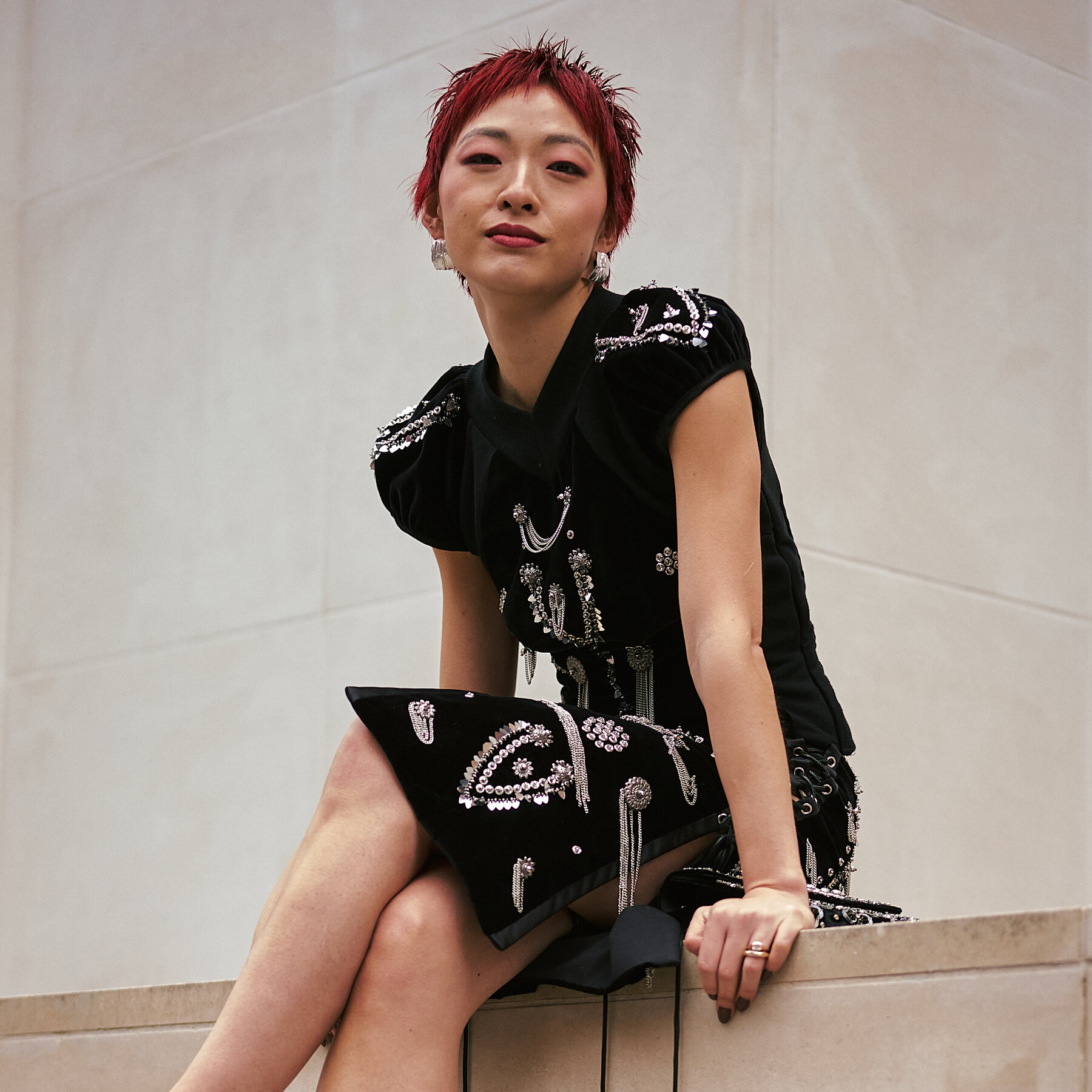
The intricacies of fashion do not merely lie in the garments themselves but in the narratives they communicate, particularly as showcased at events like London Unravelled – British City Portal about London and the UK. The 2026 edition underscored this duality, merging aesthetics with bold personality traits. A tapestry of cultural influences, technological advancements, and evolving consumer expectations formed the backdrop for designers to articulate their visions. This article will delve into the current state of the fashion industry as seen through the lens of London Fashion Week, analyzing how attire reflects sparkling personalities while juxtaposing various influences within the sector.
The Intersection of Culture and Fashion in 2026
Fashion remains at the forefront of cultural expression. It acts as a mirror reflecting societal changes, historical contexts, and emerging trends. In 2026, London Fashion Week (LFW) not only displayed the latest trends but also acted as a platform for cultural dialogue. From streetwear inspired by urban communities to haute couture that speaks to the avant-garde, the spectrum of style represented a rich tapestry that challenges traditional fashion narratives.
As consumer values shift towards authenticity and sustainability, designers are increasingly encouraged to weave these principles into their collections. The 2026 season illustrated a deeper commitment to ethical practices and sustainable materials without compromising on the artistic expression that characterizes high fashion. For more on sustainability in London, see London & UK Finance – Markets, Money and Personal Finance.
Diversification of Voices
A critical aspect of LFW 2026 was its embrace of diverse voices. Designers from various cultural backgrounds presented collections that did not merely borrow from traditions but redefined them. This inclusive representation facilitates a richer understanding of both fashion and society at large, enabling a dialogue that goes beyond mere aesthetics.
For instance, collections featuring African prints, South Asian textiles, and Indigenous designs highlighted the importance of storytelling and heritage. These elements not only encourage a dialogue but reinforce the notion that fashion is most dynamic when it is collective. The influence of culture is significant, as detailed in Business in London & the UK – Urban Economy & Trends.
The Role of Technology in Shaping Trends
The proliferation of technology in fashion has evolved the ways in which collections are conceived and marketed. Innovations such as augmented reality, artificial intelligence, and blockchain technology began to play confrontational roles during LFW 2026. Designers employed AR to enhance the viewing experience, providing spectators with an interactive element that traditional fashion shows could not offer.
Moreover, AI facilitated a deeper understanding of consumer preferences, allowing designers to tailor their offerings to meet changing demographics and attitudes. The intersection of experience and commerce was thus reflected in the kaleidoscope of designs that graced the runway, which aligns with broader trends in London Lifestyle & UK Urban Trends.
A High-Level Analysis of Collections at LFW 2026
Collections from LFW 2026 ranged from ethereal silhouettes to tailored pieces reflecting sharp lines and geometrical shapes. It is essential to analyze these collections not just by aesthetic standards but also through their broader societal implications. Designers brought forth emotions, stories, and socio-political contexts in garments that spark dialogue rather than quiet admiration.
A Comparative Analysis of Key Collections
To illustrate the thematic diversity, a comparative analysis of prominent collections from various designers presents insights into the prevalent trends. The following table summarizes notable collections featured during LFW 2026, highlighting key themes, materials used, and the underlying messages communicated.
| Designer | Collection Theme | Materials | Underlying Message |
|---|---|---|---|
| Alexander McQueen | Urban Decay | Recycled fabrics, leather | Challenge consumer waste |
| Vivienne Westwood | Political Statements | Organic cotton, silk | Highlight sustainability |
| Burberry | Heritage Reimagined | Wool, Tartan | Linking past with present |
| Simone Rocha | Femininity and Strength | Dip-dyed tulle | Celebrate female empowerment |
| Roksanda | Color Blocking | Synthetic blends, sheer fabrics | Embrace individuality |
A nuanced evaluation of these collections reveals how each designer delivered a unique perspective while tying back to the overarching themes of identity, history, and the future of fashion. The artistry embedded in the garments not only reflects individual styles but also echoes broader cultural narratives, much like the essence of London Events – What to Do in London, Things to See & Experience.
Thematic Elements Across Collections
In the analysis of key collections, several thematic elements emerge, showcasing the direction of contemporary fashion at LFW 2026. Each theme acts as a commentary on societal issues while simultaneously redefining individual expression:
- Sustainability: The urgent call for ethical practices was most palpable, with multiple designers utilizing eco-friendly materials and production methods.
- Feminism: A resurgence of feminist motifs was evident, underscoring women’s empowerment through garments designed to challenge stereotypes.
- Diversity: Designers embraced their unique heritages, representing multicultural influences and stories, thus expanding the narrative surrounding identity within fashion.
- Technology Integration: Many collections incorporated technological elements, both in material use and presentation, granting new avenues for creativity.
These thematic elements collectively form a narrative structure within the LFW 2026, illustrating how fashion continues to evolve in resonance with cultural zeitgeist and consumer consciousness.
Analyzing Underlying Trends and Their Societal Impact
Analyzing trends in London Fashion Week allows industry stakeholders to understand their broader implications. The trajectory observed in 2026 offers insights into consumer preferences, societal values, and the overarching movement towards inclusivity in fashion spaces.
Consumer Sentiments and Market Positioning
Consumer sentiments have shifted significantly in recent years, with an increasing demand for brands to reflect personal values such as sustainability, diversity, and authenticity. The following factors play a pivotal role in shaping these sentiments:
- Transparency in Brands: As consumers become more informed, they expect transparency regarding sourcing and labor practices.
- Cultural Responsiveness: Design teams that prioritize representation inherently resonate more with an increasingly diverse market segment.
- Technological Engagement: Brands that leverage technology for better customer engagement and personalization are favored by consumers looking for a unique shopping experience.
These facets not only influence purchasing decisions but also compel fashion houses to adopt innovative strategies, akin to the developments chronicled in Understanding Ten Lifestyle Group: A Leader in Luxury Concierge Services and Ethical Practices.
Future Directions in Fashion Practices
The trends emerging from LFW 2026 provide a forward-looking lens into the future of fashion. The potential pathways suggest a paradigm shift that could define the industry for years to come. Key considerations for future practices include:
- Reducing Waste: The trajectory towards zero waste in fashion is being carved out through innovative production techniques and supply chain practices.
- Cultural Sensitivity: As globalization continues, understanding cultural nuances in design will become critical in market positioning.
- Lasting Collaborations: Partnerships with local artisans and creators are likely to gain traction, offering a richer narrative layer to collections.
These trajectories underscore how industry professionals position themselves not only as designers but also as cultural commentators and change-makers.
Assessing Regulatory and Market Contexts
Market conditions and regulatory frameworks significantly influence how fashion houses operate. The evolving landscape at LFW reflects these elements which are paramount for understanding industry dynamics.
Regulatory Frameworks Shaping the Industry
Legislation surrounding textile waste, labor practices, and sustainability initiatives has evolved to compel brands towards ethical practices. Key regulations include:
- Textile Waste Regulations: Countries are enforcing laws to minimize textile waste and promote recycling efforts across the fashion supply chain.
- Labor Standards: Stricter regulations on labor conditions push brands to ensure fair practices in production environments.
- Sustainability Initiatives: Governments are incentivizing sustainable practices, which have resonated with consumer expectations.
These frameworks have significant implications for strategic decision-making within brands, affecting everything from sourcing materials to marketing strategies, an aspect also covered in Understanding the Business Computing World: Key Components, Legal Frameworks, and Career Opportunities.
Building a Practical Decision Framework
Navigating the complex landscape of fashion requires a well-structured decision framework that considers various influences on brands and consumers alike. This framework serves as a guide when assessing collections, market trends, and internalizing consumer sentiment.
Core Elements of a Decision-Making Framework
A practical decision-making framework must incorporate the following core elements:
- Consumer Insights: Understanding the evolving preferences and values of consumers allows for informed market positioning.
- Trend Analysis: Continuous assessment of macro and micro trends helps designers maintain relevance in an ever-evolving landscape.
- Sustainability Metrics: Establishing clear metrics for sustainability not only enhances brand reputation but also fosters consumer loyalty.
With these core elements, fashion houses can create adaptable strategies that resonate with consumers while navigating market dynamics.
Evaluating Risks and Limitations in the Fashion Sector
While the future looks promising, the fashion industry also faces inherent risks and limitations that must be acknowledged. These influences can impact success and growth opportunities significantly.
Identifying Key Risks within Fashion Practices
The fashion sector wrestles with several risks that can affect both consumer perception and business viability:
- Economic Fluctuations: Shifts in economic conditions can alter consumer spending habits, impacting sales.
- Supply Chain Disruptions: Global events can lead to unforeseen disruptions, creating challenges in material procurement and delivery.
- Consumer Backlash: Failure to align with consumer expectations around sustainability and ethics may lead to backlash and erosion of brand loyalty.
Navigating these risks requires strategic foresight and agility, positioning fashion houses to adapt to ever-changing landscapes.
Establishing Trust and Transparency in the Fashion Industry
As consumers increasingly demand transparency from brands, establishing trust becomes essential. Fashion houses seeking long-term success must commit to open dialogue and ethical practices.
Building a Trust Framework
Here are practical strategies that fashion brands can employ to foster trust and transparency:
- Transparency in Supply Chains: Offering insights into sourcing practices and labor conditions cultivates trust among consumers.
- Authenticity in Marketing: Brands that present honest narratives about their origins and sustainability efforts build stronger connections with consumers.
- Engagement through Dialogue: Creating platforms for consumer feedback reinforces the notion that consumers have a voice and that their values matter.
Adopting this trust framework not only benefits the consumer-brand relationship but also enhances overall brand reputation and market standing.
The multifaceted experience that defines London Fashion Week 2026 serves as a microcosm of the transformative forces shaping the fashion industry today. Through a careful analysis of cultural influences, technological adoption, and consumer expectations, it becomes clear that attire is no longer just fabric but a representation of individual identities and societal values. As the industry continues to adapt and evolve, it remains imperative for fashion houses to engage authentically with the narratives that characterize our contemporary landscape.






Leave a Reply