
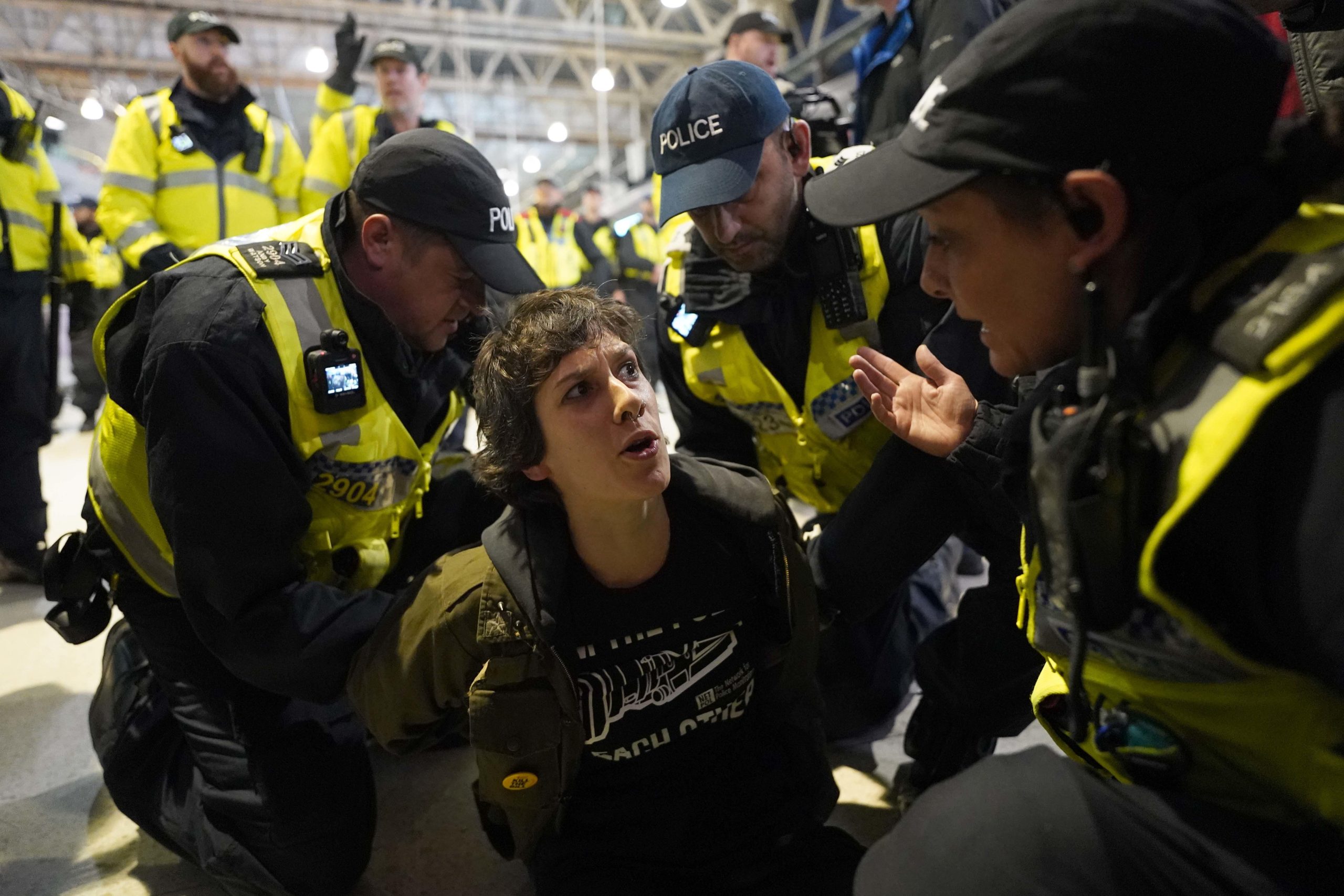
Severe rail disruption at London Waterloo poses significant challenges for commuters and the rail network alike. As one of the busiest railway stations in the United Kingdom, any disruption can have cascading effects on both local and regional transport systems. Understanding the legal framework, responsible authorities, current rules, recent changes, risks, and practical implications surrounding these disruptions is crucial for effective travel planning and management.
Definition of Severe Rail Disruption
Severe rail disruption at London Waterloo refers to significant interruptions to rail services that can lead to a wide range of problems, including train cancellations, platform closures, and reduced service capacity. Such disruptions can arise from various causes, including:
- Signalling failures
- Engineering works
- External incidents involving emergency services
One notable example was a major signalling failure on 21 July 2025, which blocked platforms 1-14, thereby halting South Western Railway (SWR) services. Passengers were advised not to travel during this period, highlighting the far-reaching impact of such incidents. Another incident involved emergency services responding to a situation that led to the cancellation of the 19:15 service to Southampton Central.
These instances illustrate how disruptions can extend beyond mere inconvenience, affecting daily commuting routines, operational schedules, and even the safety of travellers.
Legal Framework (UK)
Rail disruptions in the UK operate under a comprehensive legal framework designed to manage safety, performance, and passenger rights.
The Railways Act 1993 established Network Rail as the infrastructure owner and operator. This act forms the backbone of rail operation in the UK, while subsequent legislation, such as the Railways and Transport Safety Act 2003, mandates that Network Rail ensure safety and performance standards are met. Understanding these legal obligations is vital for both passengers and industry stakeholders.
Train operating companies (TOCs), including South Western Railway, function under franchise agreements or, as seen post-re-nationalisation through the Passenger Railway Services (Public Ownership) Act 2024, within a public ownership model. This shift, occurring in May 2025, meant that SWR became publicly owned, signalling a significant change in how disruptions might be managed.
The Office of Rail and Road (ORR) plays a critical role in enforcing performance standards via the Rail Service Quality Regime, imposing penalties if disruptions exceed certain thresholds. Consumers are protected under the Consumer Rights Act 2015, which entitles passengers to refunds or alternative travel options for delays ranging from 15 to 60 minutes, depending on the length of the journey.
Responsible Authorities
Effective management of rail disruption involves multiple agencies, each tasked with specific responsibilities:
-
Network Rail: This agency owns and maintains the infrastructure, including tracks and signalling systems at Waterloo. Its responsibilities extend to managing signalling failures and conducting engineering works, such as switch and crossing replacements near platforms 20-24.
-
South Western Railway (SWR): As the primary TOC operating at Waterloo, SWR is responsible for managing passenger services and implementing responses during disruption scenarios. This includes extending ticket validity to the next day for affected journeys.
-
National Rail Enquiries: This service provides real-time updates and facilitates cross-operator ticketing acceptance during incidents of disruption, ensuring passengers are informed about their travel options.
-
Transport for London (TfL): TfL coordinates alternative transport options, such as Tube and bus services, and offers status updates to provide comprehensive travel solutions during disruptions.
-
Department for Transport (DfT): This government department oversees national rail policy, including the implications of re-nationalisation and other systemic strategies. Understanding these aspects is critical for grasping the broader context of rail operations.
Current Rules (as of April 2026)
As of April 2026, various essential rules are in place for passengers affected by rail disruptions:
-
Passengers can use their tickets on alternative services without incurring extra costs. These alternatives include buses provided by London Buses, Falcon, Stagecoach, as well as options involving the Tube, CrossCountry, Southern, and Great Western Railway.
-
Real-time checks via JourneyCheck or TfL apps are mandatory, especially when emergency incidents lead to cancellations.
-
The rules established during planned works, such as the closures set for the Easter 2026 period from 3-6 April, dictate that reduced services will operate with diversions. For example, some services may divert via Wimbledon or Twickenham, offering bus replacements from Clapham Junction to Barnes and necessitating station closures, such as that of Queenstown Road.
-
Moreover, while taxi claims are generally not permitted, tickets remain valid for the following day for passengers affected during substantial disruptions. Understanding these rules can greatly enhance travel experiences and minimize confusion.
Recent Changes
A number of significant changes have occurred in recent months that may influence the severity and management of rail disruptions at London Waterloo:
-
SWR Re-nationalisation (May 2025): The shift from a private franchise model to public ownership under the Labour government is notable. This change may impact how disruption responses are structured, allowing for greater focus on passenger experience.
-
Easter 2026 Upgrades: Planned works aimed at replacing switches and crossings at Waterloo, alongside essential bridge refurbishments over Lambeth Road and footbridge works at Clapham Junction, are in progress. These upgrades aim to improve long-term reliability but may lead to temporary service diversions.
-
Further signalling improvements are underway post-July 2025’s significant failure, with no additional major incidents reported up until early 2026. Continued investment in infrastructure may help mitigate future disruptions, aligning with broader trends in transport improvements in the UK.
Risks
The operational landscape at London Waterloo is fraught with various risks that could significantly disrupt services:
-
Operational Risks: Failures in signalling can limit the availability of platforms (e.g., platforms 14 and 24 may be unavailable), leading to widespread cancellations and overcrowding.
-
Safety Risks: Emergency incidents near tracks can abruptly halt services, placing both passengers and railway workers in potentially dangerous situations.
-
Passenger Impact: Disruptions can result in stranded commuters and the absence of taxi refunds, necessitating reliance on alternative transport modes, such as buses or the Tube during peak hours. Notably, capacity may drop during engineering works, affecting regular services such as those to Hampton Court.
-
Systemic Risks: The aging infrastructure at a busy station like Waterloo heightens the likelihood of failures, with the resulting diversions potentially overloading parallel routes. These factors must be considered within the context of broader urban challenges affecting London’s transport capacity.
Practical Implications
With the frequent disruptions affecting London Waterloo, commuters must adapt travel planning strategies. Here are several practical implications to bear in mind:
-
Travel Planning: It is advisable for travellers to check for disruptions on Network Rail, JourneyCheck, or TfL before embarking on journeys. Planning alternative routes via Clapham Junction can be especially useful during works, as it allows passengers to sidestep closed stations such as Queenstown Road or Barnes.
-
Alternatives: Bus replacements and cross-operator ticketing serve as effective means to mitigate delays. If disruptions occur, tickets may be valid for use the following day, providing added flexibility for affected passengers.
-
Economic Impact: Disruptions can significantly affect daily commuters travelling to south-west England. Investments in infrastructure upgrades seek to facilitate “smoother journeys” in the long run, ultimately benefitting the commuting public.
-
Contingency Planning: Carrying flexible tickets can provide a buffer for last-minute changes in travel plans. Integration with TfL’s services can ease navigation across London during upheaval at Waterloo, ensuring that travel needs are met even in times of disruption.
In light of the complex landscape surrounding severe rail disruption at London Waterloo, passengers are advised to remain informed and flexible when planning their travels. Understanding the legal and operational context, recognising the authorities involved, and leveraging available resources can significantly enhance the experience of commuting even during challenging times. Building awareness around recent changes, potential risks, and practical recommendations is key to navigating disruptions in a way that minimises inconvenience and maximises safety.
For those interested in further insights on urban life and transport in London, consider exploring more about London & UK Main News – City Updates, Culture & Urban Stories (https://www.londonunravelled.com/category/news/).







Leave a Reply